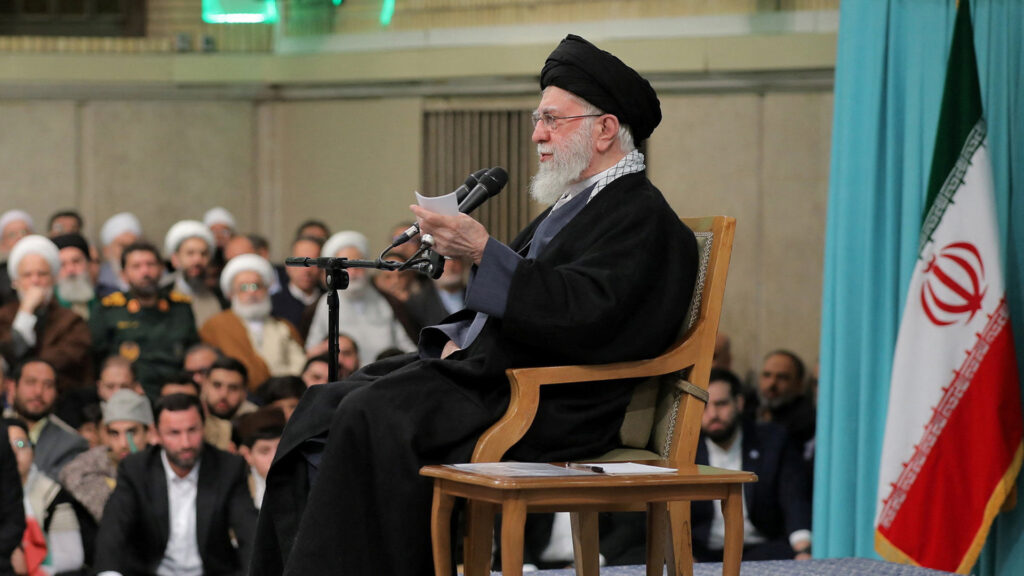
Iran’s Supreme Leader, Ali Khamenei, has publicly placed the blame for the deaths of ‘several thousand’ protesters on former US President Donald Trump. This statement comes amid ongoing tensions and unrest in Iran, where widespread protests have erupted, leading to significant casualties. Khamenei’s accusations reflect deep-seated animosity towards the United States, which Iran often views as meddling in its internal affairs.
The protests initially began as demonstrations against economic hardship and political grievances within Iran, but they quickly escalated in scale and intensity. According to various reports, the rallies have seen harsh crackdowns by Iranian security forces, resulting in numerous deaths and arrests.
Khamenei’s declaration directly targets Trump, whom he accuses of orchestrating or encouraging the unrest, portraying the former US leader as a central figure behind the turmoil. This aligns with the Supreme Leader’s narrative that external enemies, particularly the United States, seek to destabilize Iran to undermine its government.
The Iranian leader’s remarks underscore the strained US-Iran relations that have persisted for decades, exacerbated during Trump’s administration by the withdrawal from the nuclear deal and the re-imposition of severe sanctions. These measures significantly impacted Iran’s economy, fueling public discontent.
International reactions to Khamenei’s statements have varied, with some analysts interpreting it as a strategic move to rally domestic support and shift blame away from the Iranian government’s handling of the protests. Others see it as a continuation of Iran’s longstanding policy of attributing internal challenges to foreign conspiracies.
Meanwhile, human rights organizations have condemned the violent suppression of the protests and called for international attention to the situation in Iran. They emphasize the importance of protecting the rights to peaceful assembly and expression.
The accusations highlight the fragile nature of Iran’s political landscape and the broader geopolitical conflicts impacting the region. As tensions remain high, the world watches closely how Iran navigates the challenges posed by internal dissent and external pressures.