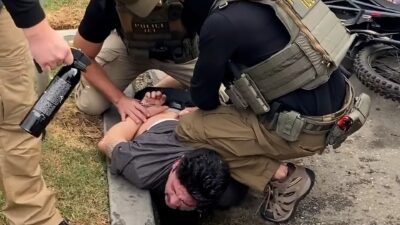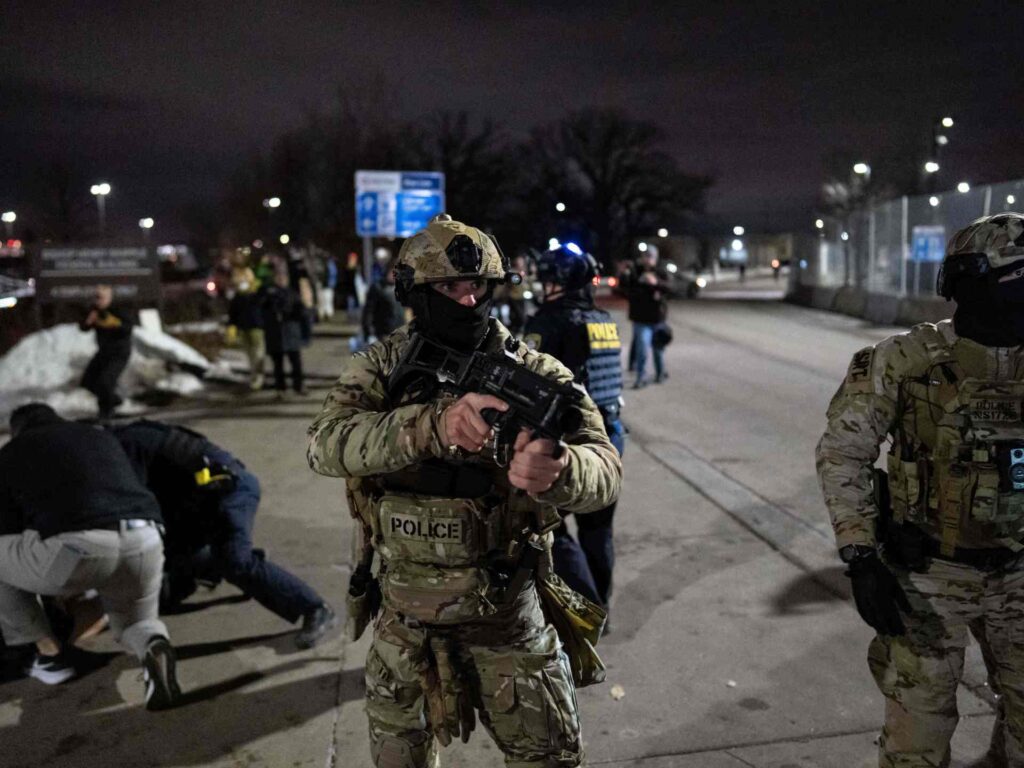
A recent court injunction in the United States has significantly limited the operational scope of Immigration and Customs Enforcement (ICE) agents in Minnesota with respect to handling protests. The injunction specifically bars ICE agents from detaining or retaliating against peaceful protesters or observers during demonstrations.
This order highlights growing concerns over federal agents’ involvement in managing protests, especially in the wake of widespread social movements. The ruling aims to protect the civil liberties of protestors while addressing issues related to the misuse of authority by law enforcement officials.
Minnesota has been a focal point for protests over various social and political issues, attracting national attention. ICE agents, who typically focus on immigration enforcement, have sometimes been deployed to manage protests, a practice that has drawn criticism from civil rights advocates.
With this court injunction, federal agents are explicitly restricted from making arrests or taking punitive actions against individuals who remain peaceful and are engaging in lawful assembly. This measure is intended to prevent intimidation and retaliatory tactics that could discourage citizens from exercising their constitutional right to protest.
Legal experts view this decision as an affirmation of First Amendment protections, reinforcing the principle that peaceful dissent should not be met with heavy-handed law enforcement tactics. The ruling also serves as a precedent that could influence how federal agencies interact with protest movements in other parts of the country.
The injunction comes amid broader debates about the role of federal law enforcement in civil unrest and the balance between maintaining public order and respecting individual freedoms. Civil liberties organizations have welcomed the ruling, calling it a critical step toward ensuring accountability and protecting democratic expressions.
ICE agents will now have to reassess their engagement strategies in Minnesota. Any deviations from the injunction’s mandates could lead to further legal challenges or sanctions, underscoring the importance of adherence to judicial directives.
The court’s decision underscores the judiciary’s role in checking law enforcement powers and upholding constitutional rights during volatile situations. Protestors and observers in Minnesota can now participate with greater confidence in their safety and legal protections.
This ruling is part of a larger national conversation about policing, protest management, and the rights of citizens to assemble peacefully. As protests continue to be a vital part of American civic life, such legal interventions ensure that civil liberties remain safeguarded against excessive governmental intrusion.
In summary, the injunction imposes crucial limits on ICE agents in Minnesota, barring them from detaining or retaliating against peaceful protesters or observers. It is a landmark decision reinforcing constitutional rights and setting a significant precedent for federal agency conduct in protest situations.