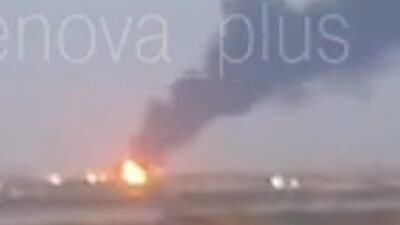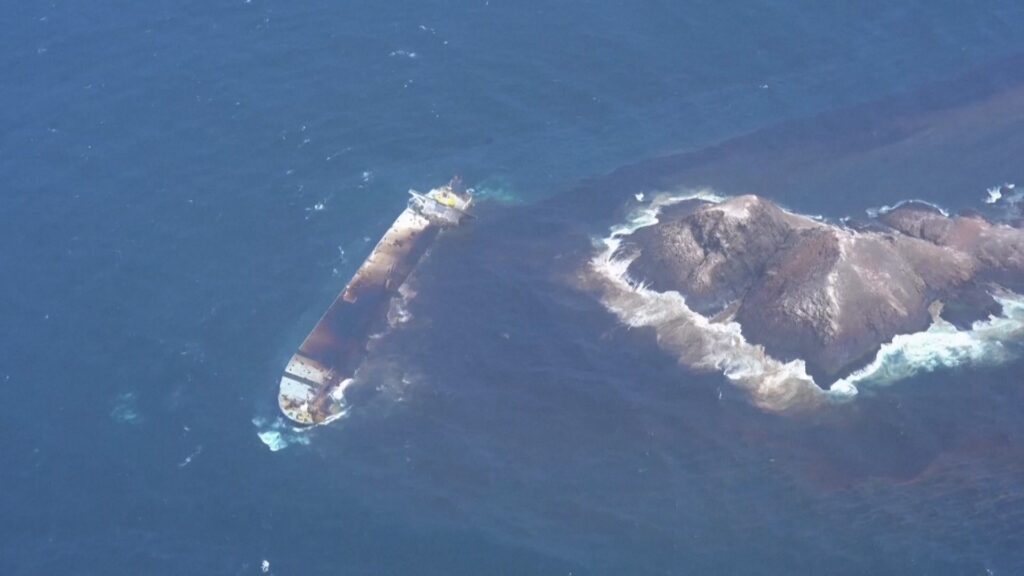
A potential environmental disaster is unfolding off the coast of Oman as a grounded tanker continues to leak a large quantity of sanctioned Russian crude oil into the sea. Recent aerial footage reveals the vast scale of the spill, highlighting significant environmental concerns in the region.
The tanker, which ran aground near Oman’s shores, has caused a substantial oil slick that extends over a wide area, posing serious risks to marine life and coastal ecosystems. Authorities and environmental agencies are actively assessing the situation to understand the full impact and to devise containment and cleanup strategies.
The oil spill is particularly problematic given that the crude originates from Russia, which currently faces international sanctions, complicating both the legal and logistical aspects of the emergency response.
Environmental experts warn that the spill could have long-lasting effects on marine biodiversity, fisheries, and the livelihoods of communities depending on these natural resources.
Efforts are underway to mobilize cleanup crews, deploy barriers, and prevent the oil from reaching more sensitive coastal habitats. However, the rough sea conditions and the size of the spill pose considerable challenges.
The incident underscores the risks associated with maritime oil transport, especially of sanctioned materials, and highlights the need for international cooperation in addressing transboundary environmental crises.
Omani authorities have issued warnings to fishermen and local populations to avoid the affected areas to reduce health risks from oil exposure. They are coordinating with international partners to facilitate a timely and effective response.
As the situation develops, updates will be crucial for stakeholders and the public to monitor the environmental and economic ramifications of this significant oil spill off Oman’s coastline.