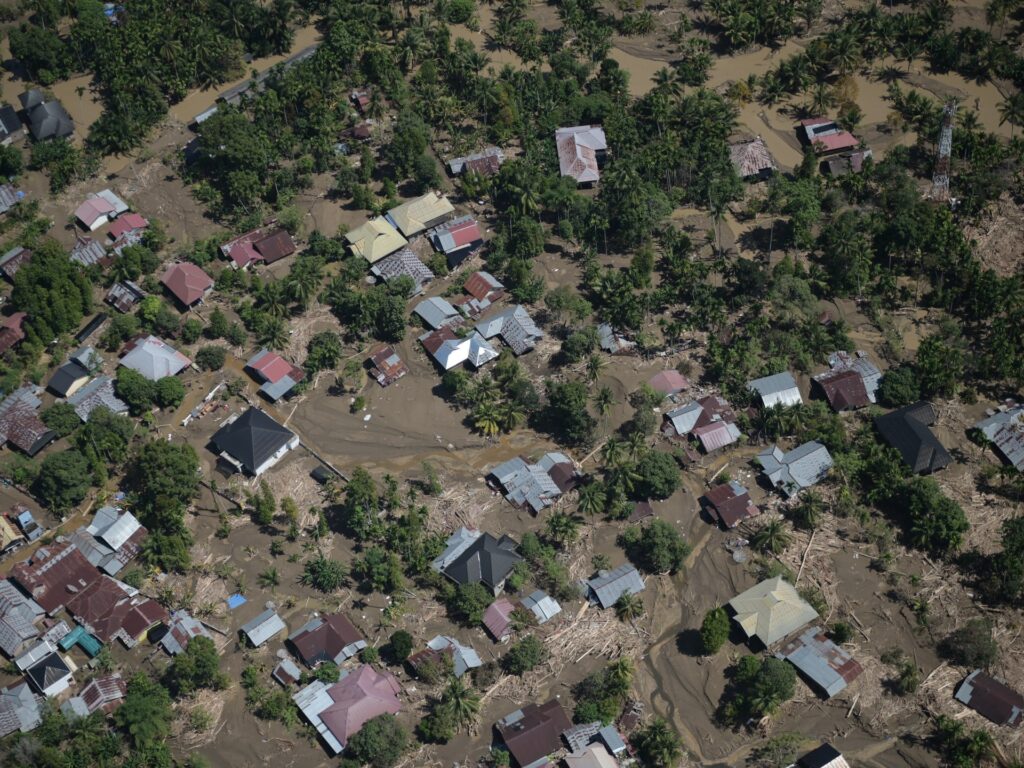
Indonesia has taken legal action against six companies accused of causing significant environmental harm in flood-prone areas. These firms are alleged to have engaged in activities that led to the degradation of land and increased vulnerability to flooding, exacerbating the impact on local communities.
The lawsuit marks a critical step in Indonesia’s efforts to address environmental damage linked to industrial and agricultural development in ecologically sensitive areas. The implicated companies reportedly cleared large tracts of land, disrupting natural water absorption and increasing the severity of floods.
Environmental groups have voiced concerns not only about the role of these companies but also about the government’s responsibility in granting permits that allowed such extensive land clearance. Activists argue that by approving these permits without stringent environmental assessments, the government contributed to the escalating environmental crisis.
Flood zones in Indonesia are crucial natural buffers that help mitigate the impact of heavy rains and seasonal flooding. The destruction of these areas undermines natural drainage and water retention, leading to more frequent and severe floods that threaten lives, homes, and agriculture.
The legal proceedings against these companies underscore Indonesia’s growing commitment to environmental protection and accountability. Observers note that this move could set a precedent for stronger regulations and enforcement against environmental degradation in the country.
Critics, however, stress that enforcement must be comprehensive and paired with government accountability to ensure sustainable development. They call for revised policies that balance economic growth with the preservation of critical ecosystems, especially in regions vulnerable to climate-related hazards.
The case is being closely watched by environmentalists and industry stakeholders alike, as it highlights the complex interactions between development, environmental stewardship, and governance.
As Indonesia continues to grapple with the challenges of environmental management amid rapid economic growth, the lawsuit may serve as a pivotal moment in shaping future environmental policies. It also raises broader questions about the role of corporate responsibility and governmental oversight in safeguarding natural resources.
With climate change expected to increase the frequency of extreme weather events, protecting flood zones and natural habitats is becoming increasingly urgent. The outcome of this lawsuit could influence how countries worldwide approach environmental protection and disaster risk reduction.
In summary, Indonesia’s decision to sue six companies over environmental harm in flood zones reflects a significant and possibly transformative approach to addressing ecological damage. It highlights the necessity for both corporate accountability and governmental responsibility in preserving vulnerable ecosystems against the backdrop of climate change and development pressure.