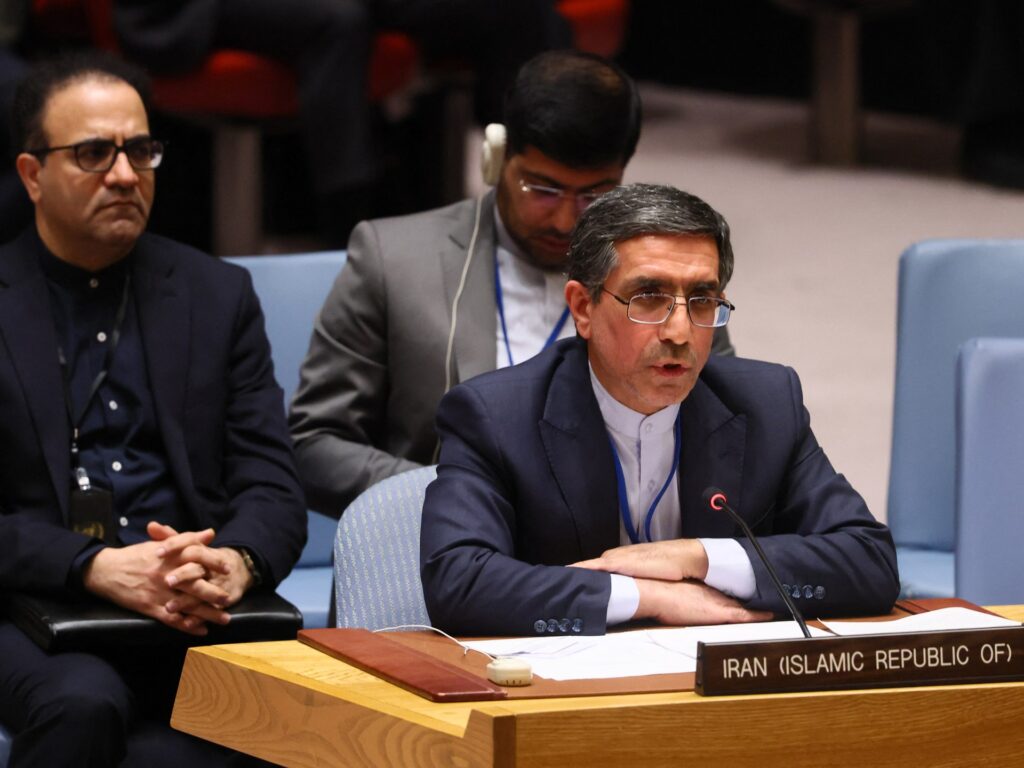
The United Nations Security Council convened an emergency session to address the escalating deadly protests in Iran, which have drawn international concern due to the severity of violence and the government’s response, including an ongoing internet blackout. The situation in Iran has grown increasingly volatile over recent weeks, with widespread demonstrations sparked by various political and social issues. The protests have been marked by clashes between demonstrators and security forces, resulting in numerous casualties.
During the session, representatives from Iran, the United States, and members of Iranian civil society provided statements and insights into the current crisis. Iran defended its actions, citing the need to maintain order and stability amid what it describes as attempts to destabilize the country by foreign entities. Meanwhile, the US condemned the violence against protestors and criticized the Iranian government’s suppression tactics, highlighting the internet blackout as a method to obscure the human rights abuses occurring on the ground.
Iranian civil society voices underscored the grave human rights situation, emphasizing the impact of the internet blackout on communication, access to information, and the ability of journalists and human rights organizations to report independently. Activists expressed deep concern over the escalation of violence and the curtailment of civil liberties, urging the international community for immediate intervention and support.
The internet blackout has significantly hindered the flow of information, making it difficult for global observers to accurately assess the situation. The blackout appears to be a deliberate strategy to suppress dissent and limit international scrutiny of the government’s handling of the protests.
The emergency meeting highlighted the urgent need for dialogue and peaceful resolution. The UN called upon Iranian authorities to respect the rights of protesters, restore internet access to ensure transparency, and allow humanitarian organizations to operate freely. The council expressed its commitment to supporting a peaceful resolution that respects the rights and dignity of all Iranians.
International responses to the meeting have varied, but there is a broad consensus on the necessity to protect human rights and uphold international norms. The situation in Iran remains fluid, with the potential to affect regional stability significantly. The Security Council’s actions signal the importance of global engagement and oversight during times of national crisis.
As events unfold, the international community continues to monitor closely, advocating for an end to violence, the restoration of freedoms, and the establishment of constructive dialogue between Iran’s government and its citizens. The ongoing protests and response to them remain a critical issue for global diplomatic and human rights efforts.