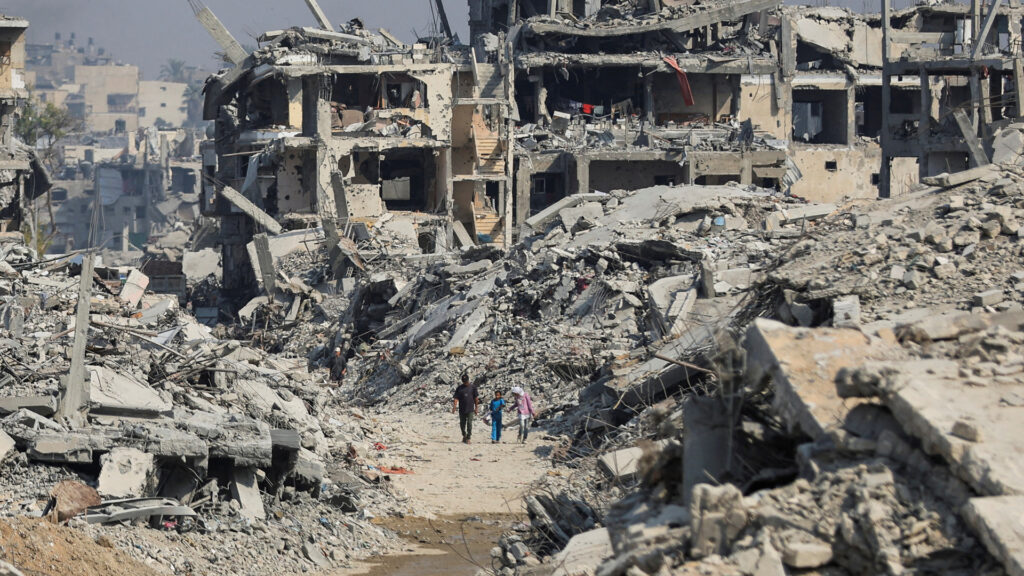
As the world watches the developments in Gaza, Palestinians residing there express a somber outlook on the forthcoming second phase of the ceasefire. Despite hopes that any truce might bring stability and relief, many Gazans remain unconvinced that the situation will materially improve their lives. Residents spoke to Al Jazeera, conveying a pervasive skepticism rooted in years of conflict, economic hardship, and infrastructural devastation.
The initial phase of the ceasefire brought a temporary lull in violence, but did little to address the underlying issues plaguing the region. Power outages, limited access to clean water, and shortages of medical supplies continued to affect daily life severely. Many Palestinians fear that the second phase will follow a similar pattern—providing a brief respite but failing to deliver sustainable peace or development.
Interviews with local families reveal a deep-seated fatigue. Parents worry about their children’s futures in a landscape marked by uncertainty and instability. Young adults, many of whom have known nothing but conflict, express frustration over limited opportunities and the ongoing blockade that restricts movement and commerce.
Humanitarian organizations have called for increased international engagement to ensure the ceasefire evolves into a lasting peace agreement. They emphasize the need for rebuilding infrastructure, improving healthcare, and facilitating economic opportunities in Gaza. However, Palestinians remain cautious, recalling previous agreements that faltered without substantial follow-up.
The political complexities surrounding the Gaza conflict contribute to this pessimism. The divide between governing factions and external pressures often stall progress, leaving civilians caught in the crossfire. Many Gazans feel their voices are marginalized in diplomatic negotiations, further eroding trust in potential peace efforts.
As the second phase of the ceasefire approaches, the overarching sentiment among Palestinians is one of guarded skepticism. They yearn for peace—not just the absence of violence—but a better quality of life and hope for future generations. Yet, until foundational issues are resolved, many fear the ceasefire may be just another temporary pause in a cycle of hardship and conflict.