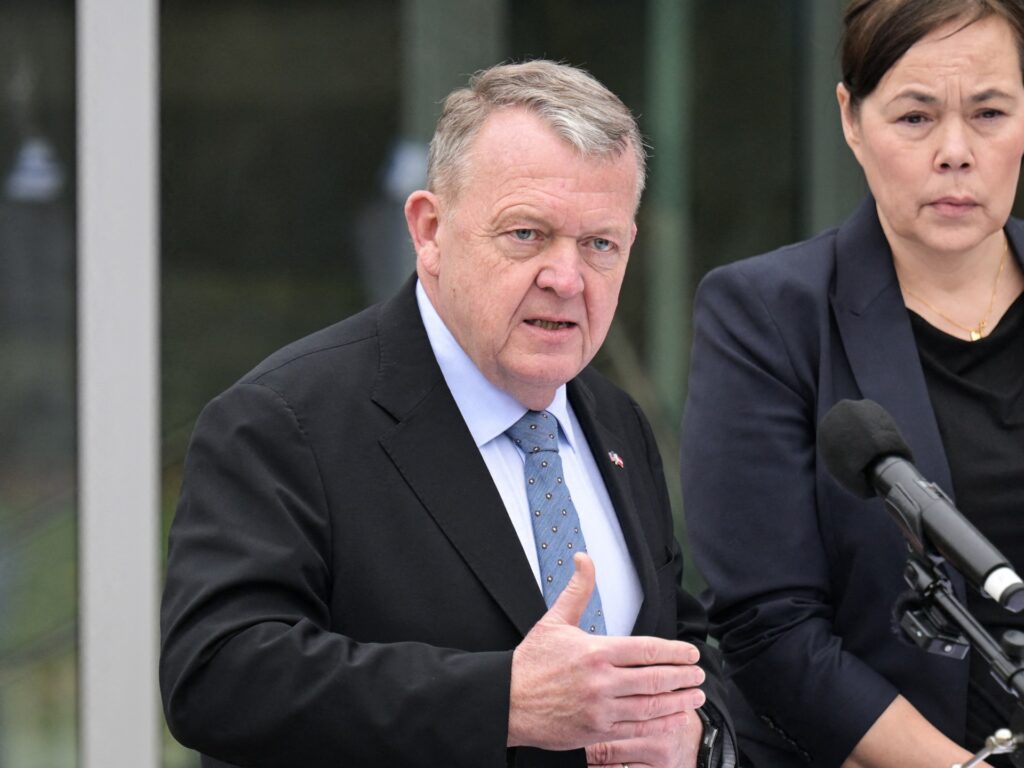
Denmark’s foreign minister has openly criticized the United States’ interest in Greenland, describing the idea as a form of ‘conquest’ and declaring it unacceptable. This stance comes in response to comments and actions by former US President Donald Trump, who had shown a clear desire to acquire Greenland, a vast Arctic territory under Danish sovereignty.
The remarks from Denmark’s foreign minister highlight the nation’s firm opposition to any attempts by the US to purchase or control Greenland. Despite Greenland’s strategic importance and rich natural resources, Denmark stresses the importance of respecting the autonomy and territorial integrity of its territories.
Greenland, an autonomous territory within the Kingdom of Denmark, has been the subject of international interest due to its geographical location in the Arctic and its potential for natural resources such as minerals and oil. The US has long maintained a strategic military presence in the region, including the Thule Air Base, emphasizing Greenland’s significance in defense and geopolitical considerations.
The Danish government’s reaction comes amid heightened talks about Arctic sovereignty and the increasing geopolitical competition among major powers. While the US emphasizes its strategic interests, Denmark insists on preserving its territorial rights and Greenland’s self-governance.
This issue sheds light on the broader dynamics of Arctic politics, where climate change is opening new navigation routes and access to untapped resources, attracting the attention of global powers. Denmark’s stance sends a clear message against any attempts of territorial acquisition by force or purchase, reaffirming international norms regarding sovereignty.
The debate over Greenland’s future continues to be a sensitive topic, involving not just Denmark and the US but also the indigenous Greenlandic population, who have their own aspirations for autonomy and economic development.
In response to the controversy, Danish officials have emphasized dialogue and cooperation over unilateral actions, promoting a diplomatic approach to Arctic affairs. The incident underscores the complexities of international relations in the Arctic region and highlights the need for thoughtful, respectful engagement among nations.