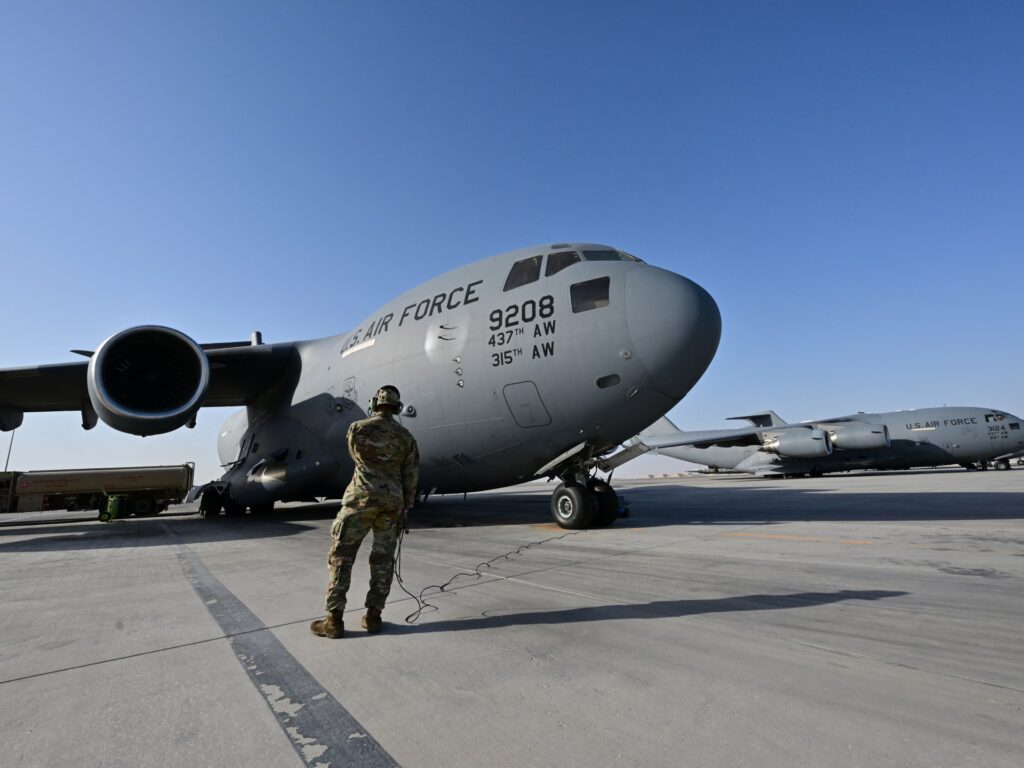
The United States has started withdrawing a portion of its personnel from military bases in the Middle East amidst escalating tensions with Iran. This move comes in the wake of recent threats from former President Donald Trump, which have heightened concerns over potential conflict in the region.
The withdrawal follows a series of warnings issued by US officials indicating that the country is closely monitoring ongoing protests in Iran. These demonstrations have garnered international attention, with significant unrest reported across various parts of Iran.
US authorities have cautioned that they could intervene in the Iranian protests if deemed necessary, citing concerns over regional stability and the safety of American interests. This stance has intensified scrutiny of the current US administration’s approach to Iran and the broader Middle East policy.
Military analysts suggest that the partial withdrawal serves as a precautionary measure to reduce American military exposure in a volatile environment. It reflects a strategic recalibration amid the unpredictable dynamics fueled by Trump’s aggressive rhetoric, which has previously included threats of military action against Iran.
The ongoing unrest in Iran primarily stems from economic hardships, political repression, and demands for greater freedoms among the populace. The protests have seen dynamic and sometimes violent clashes between demonstrators and Iranian security forces.
International observers are concerned that any US intervention could further destabilize the region, potentially igniting larger conflicts. However, US officials maintain that their presence and actions in the Middle East aim to deter aggression and support allies, not to provoke confrontation.
The United States’ decision to reduce personnel in the region also reflects a broader trend of reassessing military commitments abroad, balancing between strategic interests and risk management. The exact number of troops withdrawn has not been disclosed, and US military spokespeople emphasize the move is temporary and tactical.
Iran, for its part, has condemned the US’s position and threats, accusing Washington of interfering in its domestic affairs and escalating tensions unnecessarily. Iranian officials have called for international support to respect their sovereignty and discourage external meddling.
This development adds another layer to the complex US-Iran relationship, which has been strained for decades, marked by sanctions, proxy conflicts, and diplomatic stalemates. Both sides remain wary yet engaged in cautious dialogue through indirect channels.
Experts note that the next few weeks will be critical in determining whether the situation escalates or moves towards de-escalation. The international community watches closely, hoping for peaceful resolutions that respect the sovereignty of all nations involved while safeguarding regional security.
In summary, the US withdrawal of some military personnel from Middle East bases amid Trump’s Iran-related threats and the possibility of intervention in Iranian protests highlights the fragile state of affairs in the region. It underscores the ongoing challenges in achieving stability and the complexities of balancing diplomatic efforts with military readiness.