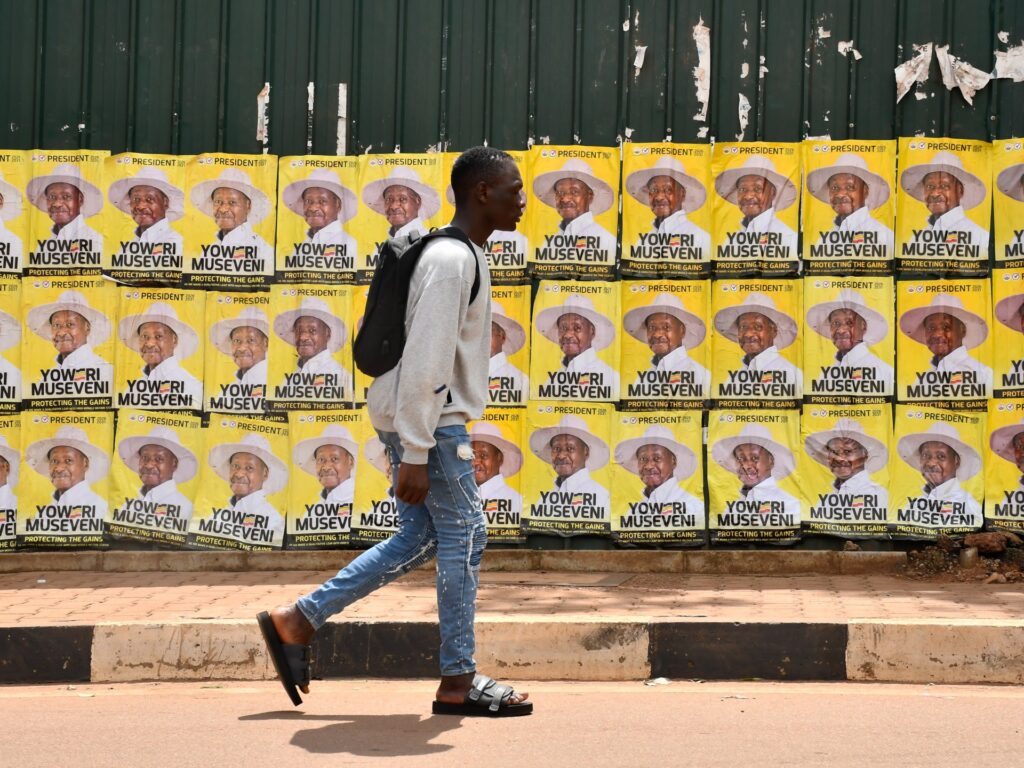
As Uganda approaches its upcoming elections, the country is experiencing an internet blackout that has drawn significant international concern and criticism. Amnesty International has described the blackout as “especially alarming,” particularly given the context of an election campaign already marred by widespread repression. With digital communication cut off, citizens face severe restrictions on their ability to access information, express opinions, and engage in political discourse.
The blackout has reportedly disrupted social media platforms, messaging services, and other internet-based communication channels, which are critical tools for campaigning, organizing, and voter education in the modern era. Human rights organizations warn that this blackout undermines democratic participation and electoral transparency.
International observers note that internet restrictions during elections are a worrying trend that can suppress dissent and limit freedom of expression. Amnesty International and other rights groups have urged the Ugandan government to restore internet access promptly to ensure that the electoral process is free and fair.
The current election cycle in Uganda has been marked by heightened tensions and instances of repression against opposition candidates and supporters. Reports detail arrests, intimidation, and limitations on the media, all of which exacerbate concerns about the fairness of the upcoming vote.
Many Ugandans rely heavily on the internet for news and political information, making the blackout a direct attack on their democratic rights. Civil society groups and activists have organized campaigns calling for the immediate lifting of the blackout, emphasizing that access to information is a fundamental right.
The blackout also affects the ability of the international community to monitor the election and provide timely reports on the ground situation. Observers worry that without internet access, irregularities might go undocumented, and voter suppression tactics may go unchecked.
The Ugandan government has justified the blackout by citing security concerns and the need to prevent misinformation and unrest. However, critics argue that these measures are disproportionate and effectively silence dissent.
Experts highlight that in democratic societies, transparency and freedom of information during elections are vital for building public trust. Cutting off internet access poses a significant threat to these democratic principles and can lead to increased instability.
As pressure mounts from global organizations, politicians, and local communities, the call to end the internet blackout becomes more urgent. Restoring connectivity is seen as essential to safeguarding democratic practices and ensuring that the voices of all Ugandans are heard during the electoral process.
The situation in Uganda serves as a stark reminder of the growing challenges in protecting digital rights and liberties amidst political turbulence worldwide. The international community continues to watch closely, hoping for a resolution that respects both security concerns and fundamental democratic freedoms.