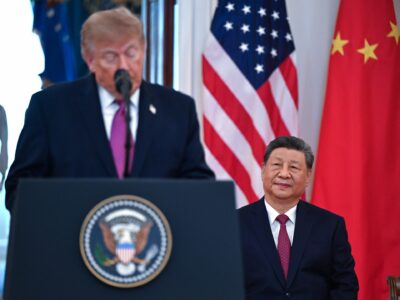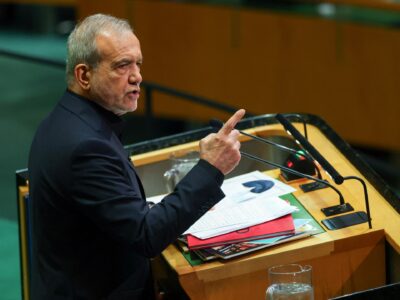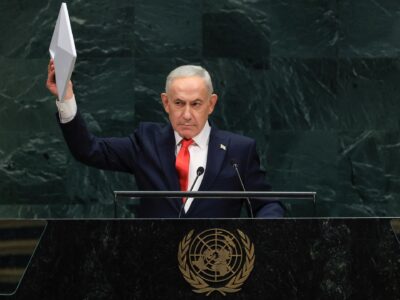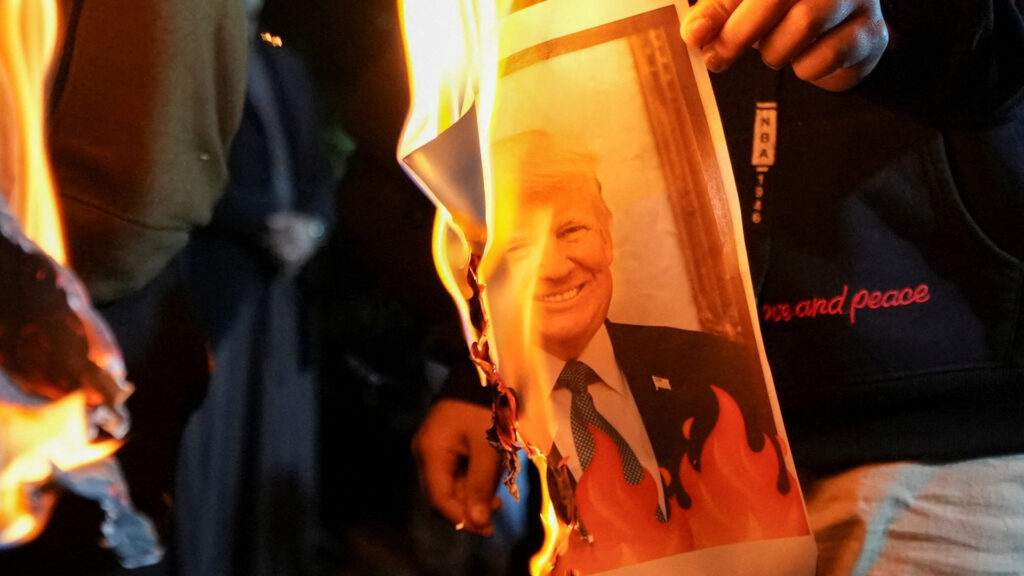
The recent wave of protests in Iran has drawn sharp criticism from Western leaders, who have voiced concerns over the Iranian government’s crackdown on demonstrators demanding greater freedoms. These leaders have championed free speech and the right to protest, underscoring these principles as fundamental human rights. However, this stance has stirred debates and accusations of hypocrisy, as critics highlight similar issues regarding protest suppression within Western countries.
Western nations pride themselves on being bastions of democracy and free expression, often positioning themselves as moral authorities on human rights. When Iran’s authorities responded harshly to protests, these nations did not hesitate to condemn the actions and call for the protection of Iranian citizens’ rights. Yet, observers note the complexities at home, where some Western governments have been criticized for their own limitations on free speech and protest activities.
Instances in various Western countries have involved the use of stringent laws, police force, and legal actions against protesters, raising questions about the consistency of Western advocacy for freedom. These actions, some argue, undermine the credibility of Western calls for free speech abroad and feed into narratives used by authoritarian regimes to deflect criticism.
Supporters of Western leaders contend that while no system is perfect, Western democracies provide mechanisms for legal challenges, media scrutiny, and civil society activism that differ markedly from the suppressive environments in countries like Iran. They argue this context is crucial when evaluating the sincerity and effectiveness of Western advocacy.
Nonetheless, the accusations of hypocrisy prompt important reflections on the global standards of free speech and protest rights. They urge Western governments to address their domestic issues more transparently and to lead by example in promoting human rights universally. This ongoing discourse highlights the challenges in balancing national security, public order, and civil liberties in an interconnected world.
In conclusion, while Western leaders denounce Iran’s crackdown on protests, they must also confront their own challenges regarding protest rights. Addressing these internal contradictions is essential to maintaining moral authority on the global stage and to supporting genuine, universal freedom of expression.