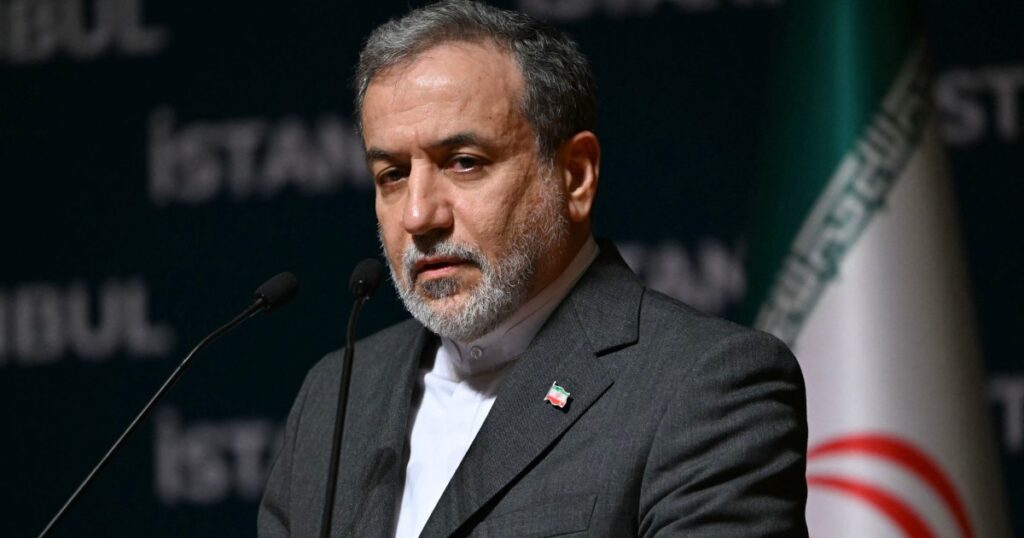
In a significant escalation of already strained relations, Iran has reportedly severed diplomatic contacts with the United States. This move marks one of the most serious downturns in relations between the two countries in recent years. Sources close to the matter indicate that the decision was made in response to increasing hostilities and disagreements over several contentious issues, including sanctions, nuclear negotiations, and regional conflicts.
The severance of diplomatic ties is a rare and serious step in international relations, typically signaling a deep breach in communication and trust. Analysts warn that this development could further complicate efforts to address ongoing geopolitical tensions in the Middle East.
Over the past months, tensions have escalated due to a series of events that exacerbated mistrust. The US has maintained strict sanctions on Iran, targeting its economy and key industries. Meanwhile, Iran has accelerated its nuclear program activities, drawing condemnation and heightened scrutiny from the international community.
The breakdown in communication channels between Tehran and Washington eliminates critical platforms for dialogue and negotiation, raising concerns among diplomats and global leaders who view diplomacy as essential to diffusing the situation.
Experts emphasize that the loss of direct diplomatic contact could lead to misunderstandings and miscalculations, potentially igniting conflicts that apply pressure not only locally but on a global scale due to Iran’s strategic position and alliances.
This development also impacts broader international diplomatic efforts. Nations advocating for peace and stability in the region now face increased challenges in mediating between the two powers.
In response to the news, international bodies such as the United Nations have called for restraint from all parties involved. Calls for diplomatic engagement and renewed negotiations are being echoed worldwide, highlighting the critical need for dialogue to prevent further deterioration of relations.
The US government has yet to release an official statement regarding the reported diplomatic break, but officials have hinted at exploring alternative channels to maintain communication.
Meanwhile, Iran’s move has been portrayed domestically as a stance of sovereignty and resistance against external pressure, aimed at protecting national interests.
The potential ramifications of this diplomatic rupture are significant. It affects global security, energy markets, and the geopolitical landscape. Countries dependent on the stability of the Persian Gulf are especially concerned about disruptions that might impact oil supplies and shipping routes.
Experts suggest that the international community must urgently prioritize diplomatic solutions to avoid escalation into military confrontations. They advocate for renewed negotiations under neutral auspices to rebuild trust and address underlying issues.
In the coming days, attention will focus on whether any third-party countries or international organizations can facilitate dialogue to mend the fractures.
Observers also await responses from Iran and US allies, whose positions will influence the trajectory of this crisis.
The sudden drop in diplomatic engagement raises questions about the future of the Iran-US relationship, with political analysts suggesting that a long-term cold conflict could be on the horizon.
In summary, Iran’s reported decision to break diplomatic contact with the US amid growing tensions represents a grave development with wide-reaching implications, underscoring the urgent need for constructive diplomatic efforts to avert further instability in the region and beyond.