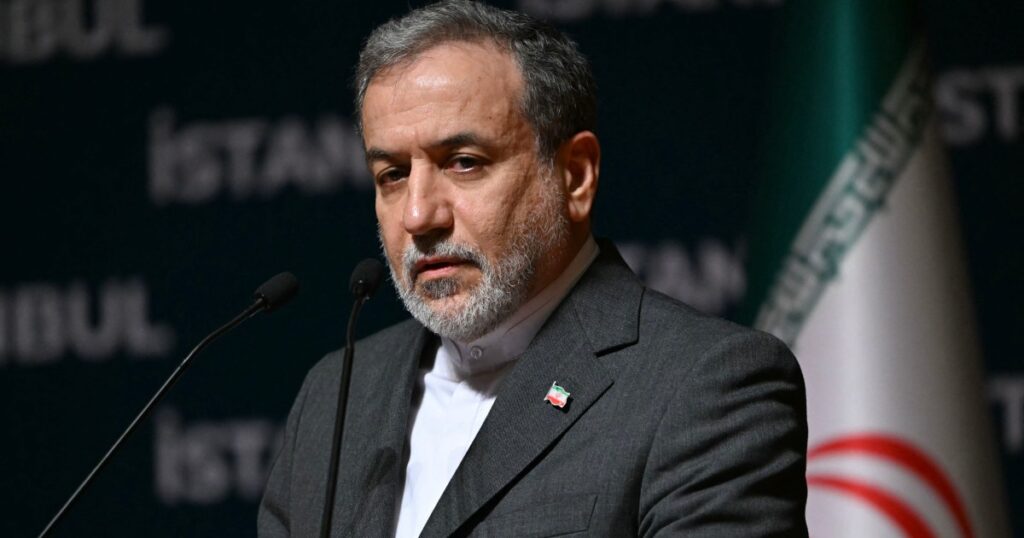
In a significant development, diplomatic contact between the United States and Iran has reportedly been suspended, marking a tense period in the relations between the two countries. This abrupt halt in communication follows rising tensions and unresolved disputes over various geopolitical issues, including nuclear programs, sanctions, and regional conflicts.
The suspension of diplomatic contact disrupts ongoing efforts to engage in dialogue and find common ground on critical matters. Both nations have historically experienced fluctuating relations characterized by moments of intense hostility and cautious diplomacy.
The U.S. government has not yet confirmed the details of the suspension, but sources close to the situation have indicated that the move is part of a broader strategy in response to perceived provocations and security concerns involving Iran.
Iranian officials have expressed regret over the breakdown in communication, emphasizing a preference for peaceful negotiations and cooperation. However, they have also highlighted the need to defend their national interests amidst what they describe as aggressive policies by the United States.
Experts warn that the suspension could exacerbate regional instability, affecting global markets, security, and diplomatic efforts aimed at curbing nuclear proliferation. International leaders have called for restraint and urged both parties to resume dialogue to prevent further deterioration of relations.
Analysts note that previous high-level talks between the U.S. and Iran have occasionally produced tentative agreements, but longstanding mistrust and external pressures often undermine sustained progress.
The international community closely watches for any developments, hoping for a diplomatic resolution that could ease tensions and contribute to peace and stability in the Middle East.
As this story unfolds, stakeholders worldwide await official statements that might clarify the situation and indicate whether negotiations will be resumed in the near future.