Sudan is witnessing a significant military redeployment as the national army moves to regain control over strategic regions of Kordofan and Darfur from the paramilitary Rapid Support Forces (RSF). This strategic maneuver underscores escalating tensions in the country and highlights the ongoing contest for power between the Sudanese army and the RSF.
The Rapid Support Forces, a powerful paramilitary group, have entrenched themselves in various parts of Kordofan and Darfur, regions known for their complex tribal dynamics and history of conflict. Their presence has been a source of instability, and the Sudanese government has been determined to reassert its authority by reclaiming these territories.
This military redeployment involves the movement of army units and logistical resources aiming to weaken the RSF’s hold over these areas. The government’s efforts reflect broader efforts to restore state control and ensure security for civilians often caught in the crossfire of these clashes.
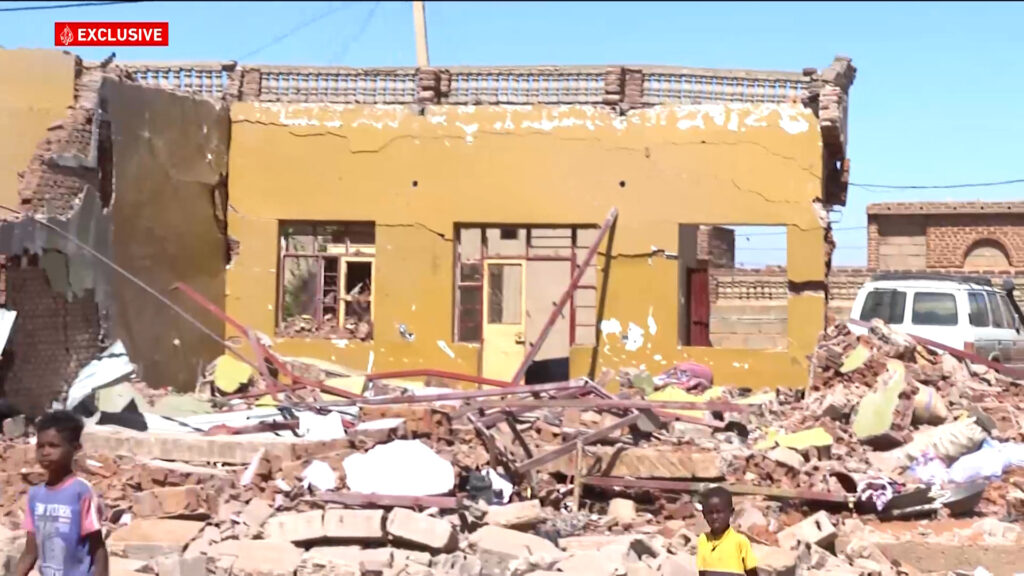
Kordofan and Darfur have long been flashpoints of violence, with Darfur especially notorious for its humanitarian crises and mass displacement issues. The RSF’s role in these conflicts has been contentious, with accusations of human rights abuses and complicity in violence against civilians.
By targeting RSF positions, the Sudanese army seeks not only to regain territory but also to curtail the paramilitary group’s growing influence in the country’s political and security landscape. The RSF has been a formidable force, sometimes acting with the tacit support of certain political factions, complicating efforts for a unified national military strategy.
The redeployment of army forces signals a possible escalation in military confrontations but also reflects the government’s imperative to stabilize regions that have suffered from years of neglect and conflict. Restoring governance in Kordofan and Darfur is crucial for Sudan’s national unity and long-term peace prospects.
Observers note that this move might lead to intensified clashes, potentially exacerbating humanitarian conditions. However, there is hope that a stronger government presence will facilitate dialogue and create conditions for sustainable peace.
This development is also significant in the context of Sudan’s broader transitional political dynamics. The balance of power between the army and paramilitary groups like the RSF remains a key uncertainty impacting the country’s future trajectory.
In summary, Sudan’s army redeployment to retake Kordofan and Darfur from the RSF marks a pivotal moment in the nation’s ongoing struggle for control and stability. How this operation unfolds will have profound implications for the security, governance, and humanitarian landscape of Sudan moving forward.