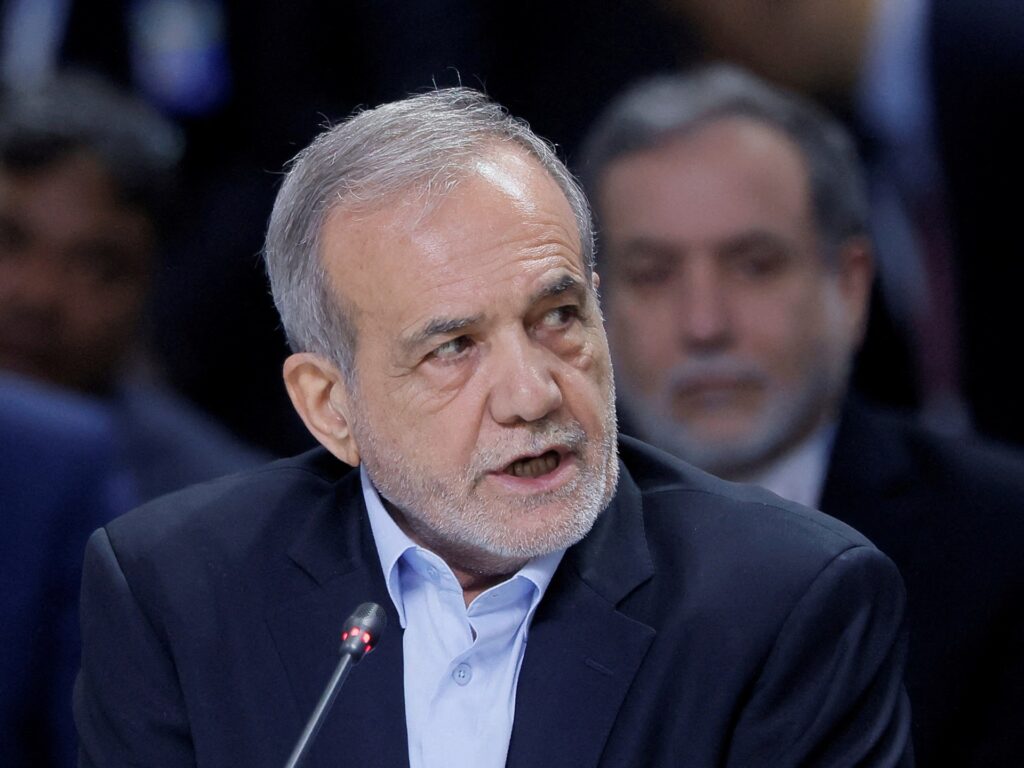
Amid mounting nationwide protests in Iran, economic reform has taken center stage as a key promise by government officials. Ali Pezeshkian, a prominent Iranian politician and economic specialist, has pledged a comprehensive economic overhaul to address the deep-rooted issues affecting the country’s economy, which has been a major factor fueling public discontent.
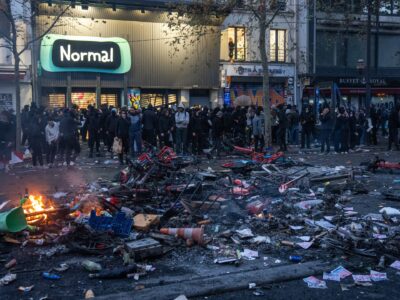
The protests, which have rapidly spiraled out of control, have highlighted widespread frustration among Iranian citizens. Economic hardship, inflation, unemployment, and corruption are some of the primary concerns that have pushed people to the streets. These demonstrations have led to significant unrest, with dozens of casualties reported nationwide.
President Ebrahim Raisi has responded to the crisis with a tone of conciliation, acknowledging the people’s suffering and promising reforms aimed at stabilizing the economy and improving living conditions. Nonetheless, he has also accused foreign adversaries, specifically the United States and Israel, of exploiting the unrest to destabilize Iran.
The administration’s stance is that external forces are fomenting discord and encouraging protests to undermine the sovereignty and security of the nation. Despite this, the government’s focus remains on economic recovery as a path to national stability.
Economic analysts note that resolving Iran’s economic challenges will require not only addressing domestic inefficiencies and corruption but also navigating the complex landscape of international sanctions, which have severely restricted Iran’s access to global markets.
Pezeshkian’s proposed overhaul includes reforms in fiscal policy, reduction of bureaucratic obstacles, encouragement of private sector growth, and efforts to curb inflation and currency devaluation. These measures aim to create jobs, improve incomes, and restore public confidence in the government’s capability to manage the economy.
Critics, however, remain skeptical about the government’s commitment and capacity to implement meaningful changes, citing a history of unfulfilled promises and systemic political constraints.
Meanwhile, protesters continue to demand broader political reforms alongside economic improvements, reflecting a complex crisis that goes beyond financial issues.
International observers are closely monitoring the situation, concerned about both the humanitarian impact of the unrest and the broader geopolitical implications concerning regional stability.
Iran’s leadership is now at a critical juncture, balancing the need for economic reform with the imperative to maintain order and sovereignty amid rising internal and external pressures.
As the government prepares to outline specific plans for economic restructuring in the coming weeks, the eyes of the world remain fixed on Tehran, hopeful for a peaceful resolution but wary of the challenges ahead.