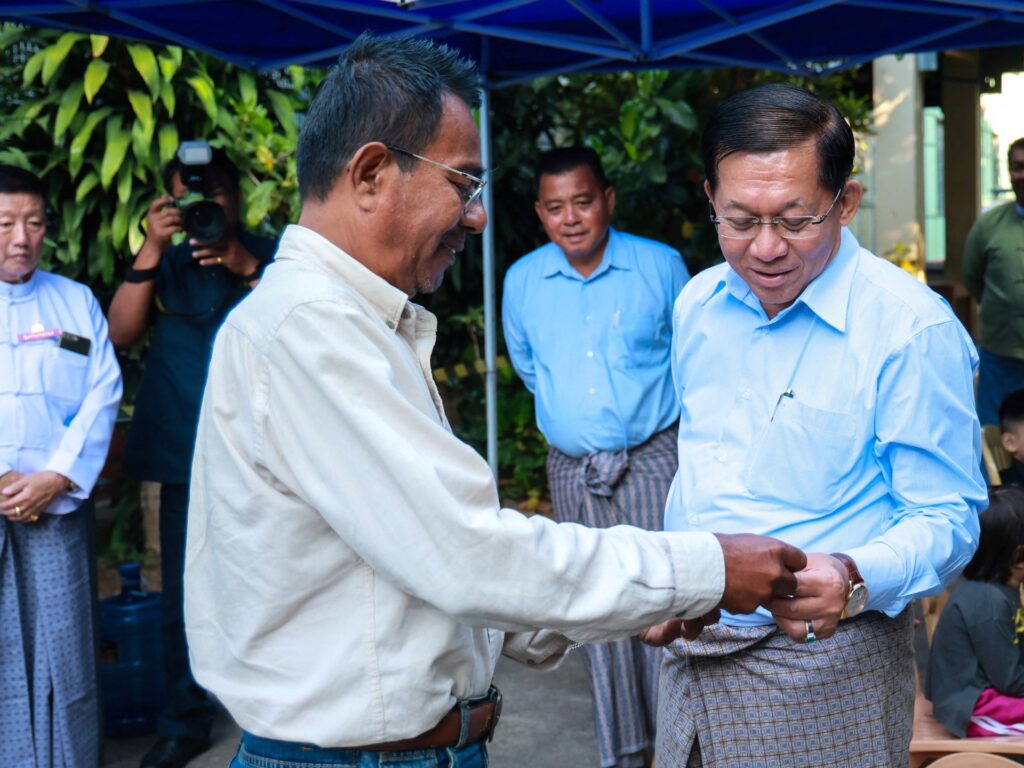
Myanmar’s military junta has initiated the second phase of elections in a deeply divided nation, with polls opening in 100 townships across the country. This election process is unfolding amid an ongoing civil war, raising significant concerns about the legitimacy and inclusivity of the electoral process. The military had claimed a 52 percent voter turnout in the first phase of the elections, a figure that has been met with scrutiny and skepticism by international observers and opposition groups.
The elections are held under the military government’s authority after the ousting of the civilian government in a coup that triggered widespread protests and a violent crackdown on dissent. Many ethnic armed groups and pro-democracy factions have continued fighting against the military in various regions, contributing to the nation’s instability.
Despite the conflict, the military insists the elections are necessary to establish a new government and restore stability. However, critics argue that the elections are designed to legitimize military rule, as major opposition parties and candidates have been disqualified or have boycotted the vote in protest.
Voting centers in the current phase have been set up amid tight security, with reports of limited access and intimidation in several areas. Observers have noted that the ongoing conflict has severely restricted the movement of voters and election officials, particularly in regions controlled by resistance forces.
The international community has expressed concern over the electoral process, with calls for the military to engage in meaningful dialogue with opposition groups and to respect human rights. Some countries have refused to recognize the election results, viewing them as a continuation of authoritarian control rather than a genuine democratic exercise.
The situation in Myanmar remains volatile as the military seeks to consolidate its power through the election while facing persistent armed resistance and widespread civil disobedience. The outcome of the elections will significantly impact the country’s political trajectory and prospects for peace.
With the second phase underway, all eyes are on Myanmar to see how the military balances its claims of democratic progress with the harsh realities of civil war and political repression. The future of Myanmar’s governance and national unity hangs in the balance as the world watches closely.