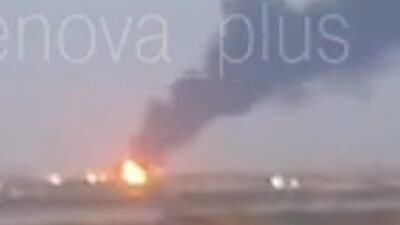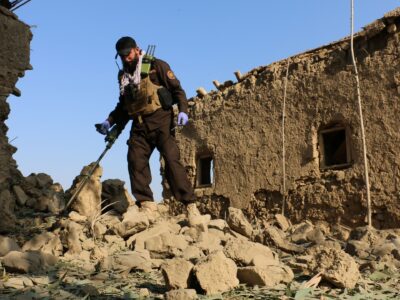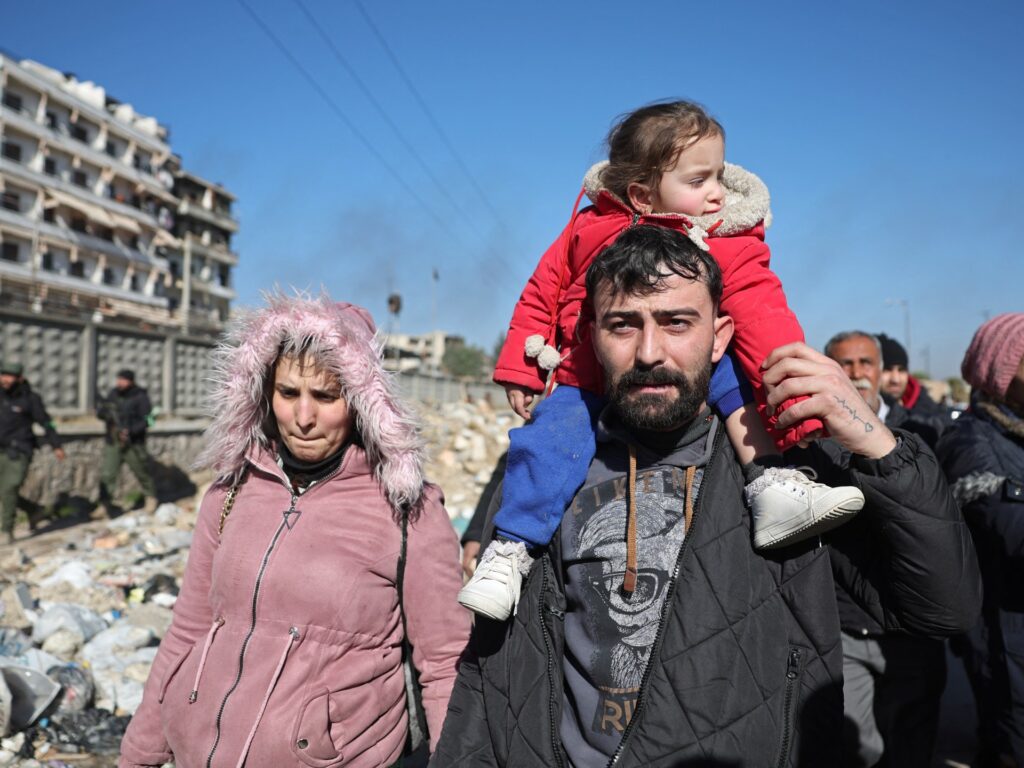
In a notable development in the war-torn Aleppo governorate of Syria, relative calm has been restored following a recent escalation in fighting. The unrest, which caused significant alarm among residents and international observers alike, began with a sudden spike in hostilities that culminated in an attack on the governorate building. According to sources, the building was hit by a drone that was allegedly launched by the Syrian Democratic Forces (SDF), a Kurdish-led militia alliance. The incident marks a concerning escalation in a region that has already been severely impacted by years of conflict.
The attack prompted a swift response from various factions operating within Aleppo, leading to a series of clashes that escalated tensions further. However, in the days following the drone strike, Kurdish fighters from the SDF have taken proactive steps towards de-escalation by voluntarily disarming. This gesture of disarmament has been recognized as a key factor in restoring a tentative peace in the area.
Local officials confirmed that the disarmament efforts have been coordinated with other security forces to ensure a gradual return to normalcy for residents of Aleppo. The move underscores the complex interplay of power in Syria’s multifaceted civil war, where local militias, national forces, and international actors constantly negotiate delicate balances of control.
Residents of Aleppo have expressed cautious optimism about the renewed calm, which has allowed for the resumption of daily activities and relief efforts. Humanitarian agencies on the ground report improved access to critical services and supplies, although the situation remains fragile.
Analysts suggest that the SDF’s decision to disarm in this context may be influenced by a variety of strategic considerations, including pressure from regional powers and the desire to strengthen political negotiations. The incident with the drone highlights the evolving nature of warfare in Syria, where technology and unconventional tactics play an increasing role.
Despite the current calm, experts warn that the situation in Aleppo and broader Syria remains volatile. The delicate peace could be disrupted by renewed military actions or shifts in alliances. Continued diplomatic engagement and support for stabilization initiatives are deemed essential to prevent a resurgence of violence.
This recent turn of events in Aleppo illustrates both the challenges and opportunities in Syria’s ongoing conflict. While the disarming of Kurdish fighters and the cessation of hostilities offer a hopeful sign, sustained efforts and cooperation among all parties will be necessary to maintain peace and facilitate long-term recovery in the region.