Recent geopolitical analyses suggest a transformative shift in global alliances and territorial control that could deeply impact Europe. Experts argue that Greenland’s potential annexation and a possible dissolution of NATO would reshape the continent’s strategic landscape, leaving Europe as a solitary bastion of liberalism.
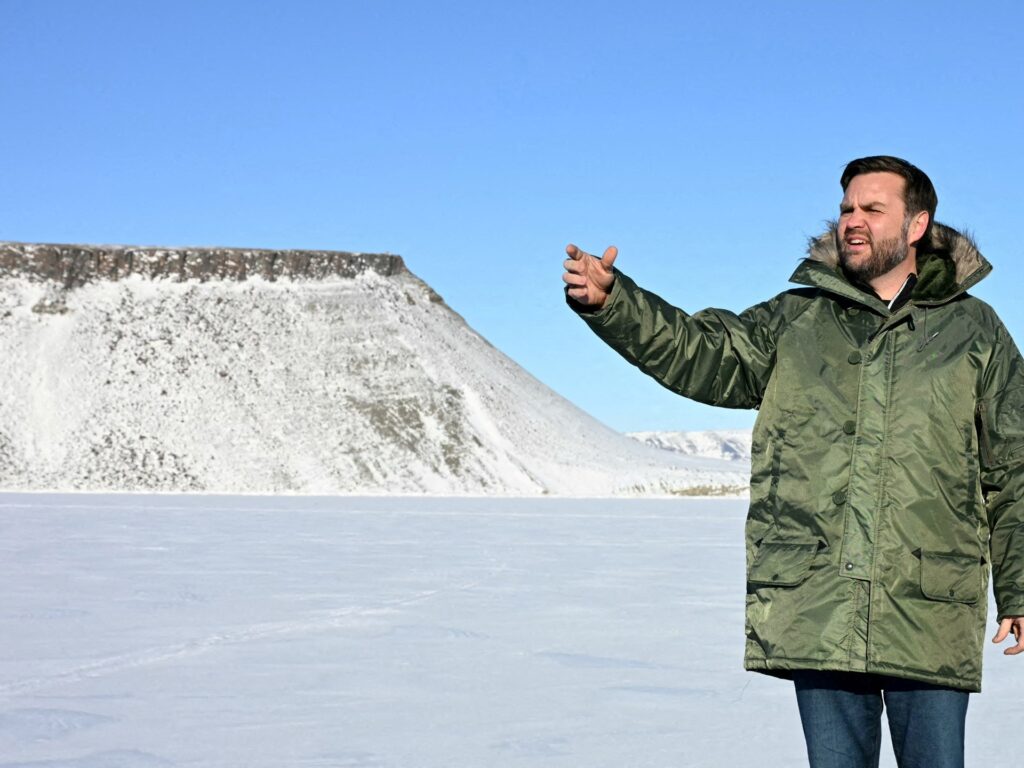
Greenland, a vast Arctic territory currently under Danish sovereignty, has attracted increased attention due to its strategic location and natural resources. Its annexation—whether by expanding influence from the United States or through other geopolitical maneuvers—poses significant challenges for European stability. Greenland’s control means access to critical Arctic shipping routes and resource reserves, factors that major powers like the US and Russia aim to leverage.
At the heart of the discussion is the possible alignment of US and Russian ideologies. Traditionally adversaries in the Cold War, their ideological convergence could alter global power balances dramatically. Analysts argue that if the US and Russia find common ground on strategic interests or political frameworks, Europe might be left isolated as a liberal democratic island amidst a sea of contrasting values.
NATO, the cornerstone of European security since its establishment post-World War II, faces unprecedented scrutiny. The alliance’s future is uncertain as member states reassess their commitments amid shifting global dynamics. An end to NATO would dismantle a critical layer of European defense cooperation, compelling nations to reconsider their security arrangements.
Experts emphasize the need for Europe to proactively prepare for these potential realities. Diversifying alliances, bolstering internal cohesion, and enhancing diplomatic efforts with emerging power blocs could be vital strategies. Moreover, Europe must address its economic and military readiness to withstand the effects of losing a strategic partner like NATO.
The intertwining of Greenland’s fate with major power politics exemplifies the broader challenge Europe faces—preserving its values and security in an increasingly complex and multipolar world. Analysts warn that if Europe fails to adapt, it could see its geopolitical influence wane, becoming a liberal outpost surrounded by less ideologically aligned neighbors.
This evolving scenario calls for comprehensive policies that integrate defense, diplomacy, and economic resilience. Europe’s future stability may well depend on its ability to navigate the annexation of Greenland and a post-NATO security environment effectively. The continent stands at a crossroads, and its decisions in the coming years will define the trajectory of continental and global peace.