Chavismo is a sociopolitical ideology rooted in the policies and vision of the late Venezuelan President Hugo Chávez, who led Venezuela from 1999 until his death in 2013. At its core, Chavismo emphasizes anti-imperialism, social justice, economic redistribution, and a strong emphasis on national sovereignty, particularly resisting foreign interference, especially from the United States.
The ideology emerged as a response to Venezuela’s history of social inequality and political instability. Chávez sought to empower the impoverished masses through expansive social programs funded largely by Venezuela’s oil wealth. These policies aimed to reduce poverty, increase access to healthcare and education, and foster a sense of national pride and self-reliance.
Chavismo also redefined Venezuela’s geopolitical stance, marking a shift away from traditional Western alliances toward solidarity with other leftist governments in Latin America and beyond. Its rhetoric and policy centers on anti-imperialism, viewing the US and Western powers as neocolonial forces seeking to undermine Latin American autonomy.
Since Chávez’s death, Nicolas Maduro has continued to champion Chavismo, albeit amidst mounting internal challenges — including economic collapse, hyperinflation, and widespread social unrest — as well as international pressure. The persistence of Chavismo under Maduro’s leadership has faced multiple tests, including an alleged US-backed abduction attempt against Maduro, which has intensified debate over the viability and future of the movement.
Critics argue that this latest crisis underlines the failure of Chavismo to adapt and deliver on its promises, leading many Venezuelans to lose faith in the movement. Meanwhile, supporters maintain that Chavismo’s principles remain vital for resisting imperialism and protecting Venezuela’s sovereignty against foreign intervention.
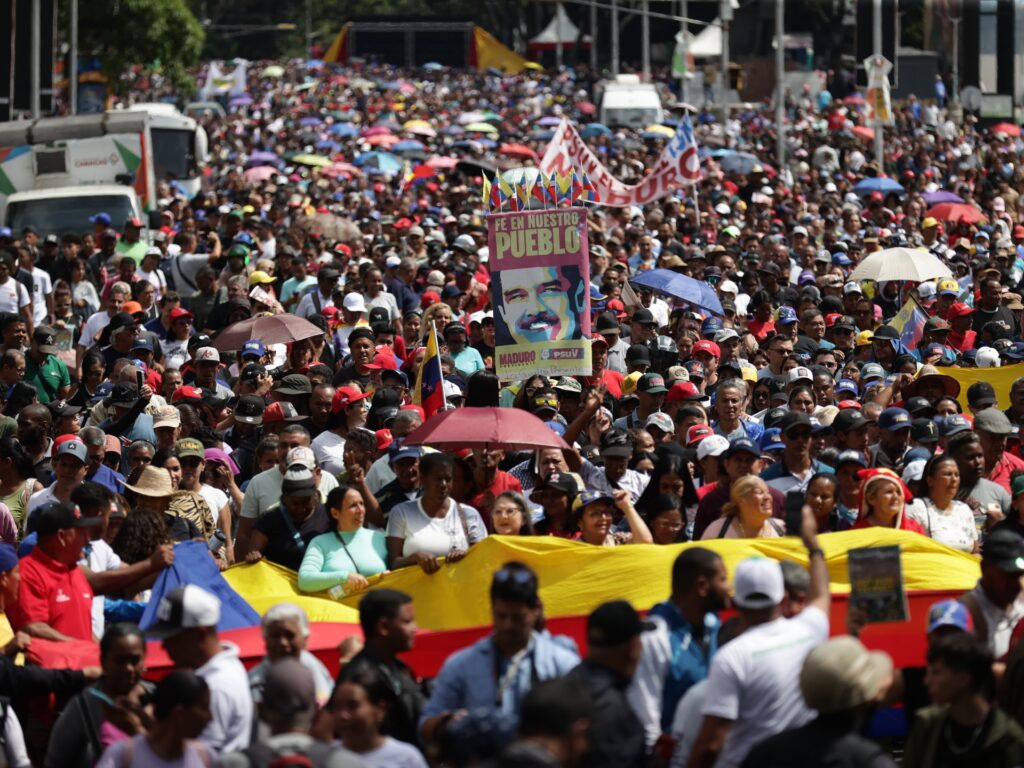
The recent US abduction attempt—denounced by the Venezuelan government as a blatant act of imperial aggression—has not killed Chavismo but has instead galvanized a segment of Venezuelan society that sees the ideology as a defense against external threats. Though battered by economic and political turmoil, Chavismo continues to hold significant influence over Venezuela’s political landscape.
In conclusion, Chavismo is not dead but at a crossroads. Its survival depends on how its leaders address the internal economic crisis, adapt to new political realities, and manage foreign relations. The ideological foundation laid by Chávez continues to inspire loyalty within parts of the population, even as Venezuela’s future under this banner remains uncertain.