Minneapolis witnessed a surge of protests as demonstrators vocally demanded the departure of Immigration and Customs Enforcement (ICE) from the city. This outcry came just one day after a fatal shooting involving an officer that resulted in a woman’s death, further intensifying public anger and grief.
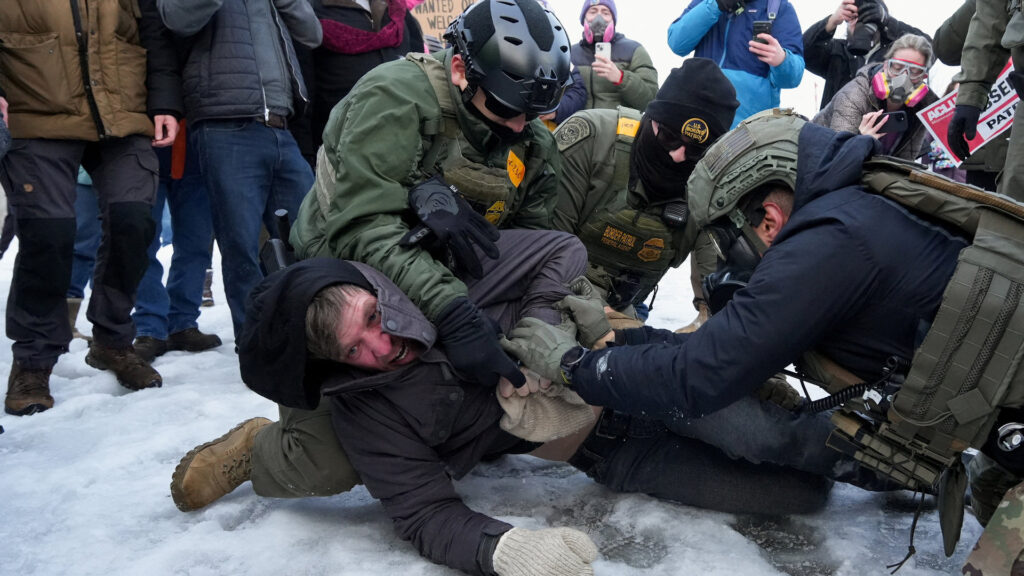
The protests saw large groups of people gathering, many chanting slogans such as “ICE out,” signaling their demand for the federal agency to leave Minneapolis. This demonstration highlights not only the immediate community outrage over the shooting but also broader concerns about the role and presence of ICE in the city.
During the protests, law enforcement deployed a tear gas-like chemical agent to disperse the crowd, escalating tensions between the authorities and demonstrators. Protesters accused the police of using excessive force, which only fueled further indignation and calls for justice.
The fatal shooting occurred under circumstances that have yet to be fully clarified, prompting demands for a transparent investigation. The incident has become a flashpoint for criticism of law enforcement practices and policies concerning immigrant communities.
Advocates against ICE argue that the agency’s enforcement tactics disproportionately affect minority communities and often violate civil rights. They see the recent shooting and the subsequent aggressive police response to protests as part of a pattern of systemic issues that need urgent reform.
City officials have been urged to take a stand regarding ICE’s operations in Minneapolis amid growing calls for accountability and changes in public safety strategies. Some community leaders emphasize the need for alternatives that prioritize human rights and community well-being.
The protests also brought together diverse groups, including immigrant rights activists, social justice organizations, and local residents united by a common goal of demanding change. Their persistent demonstrations reflect wider national debates about immigration enforcement, policing, and justice.
As the city grapples with the aftermath of the shooting and ongoing protests, there is a renewed focus on policy discussions about ICE’s presence and the future approach to immigration enforcement. The situation remains fluid, with possible implications for law enforcement policies and community relations in Minneapolis and beyond.
The events underscore a broader reckoning happening across the United States regarding law enforcement’s interaction with immigrant populations and the urgent call for reform to ensure safety, dignity, and justice for all community members. The protests in Minneapolis serve as a powerful reminder of the deep societal challenges that remain and the collective demand for systemic change.