Iran is currently witnessing significant social unrest as its commercial hubs have become focal points for widespread protests. These demonstrations are primarily fueled by escalating economic pressures and a growing sense of desperation among the population. The economic crisis gripping the country has severely affected the livelihoods of many Iranians, pushing them to take to the streets in protest.
The roots of the unrest lie in the deteriorating economic conditions that have left a large section of the population struggling to meet basic needs. Inflation rates have soared, unemployment has increased, and the purchasing power of ordinary citizens has drastically declined. These factors collectively contribute to a climate of frustration and anxiety.
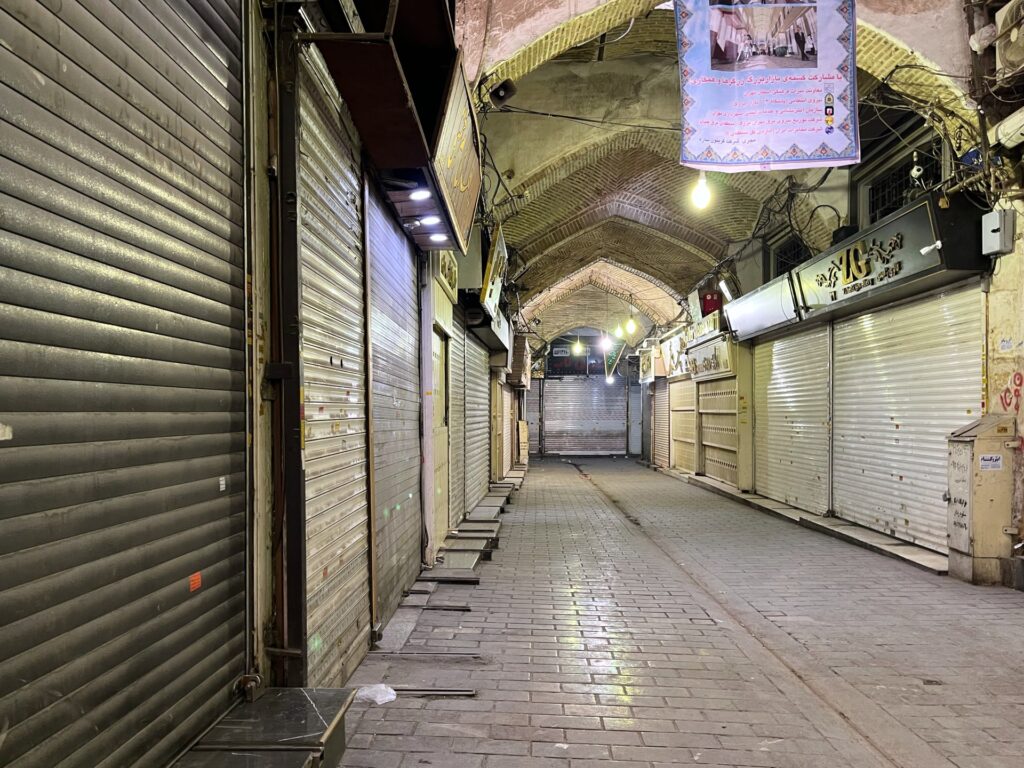
Marketplaces and trade centers, normally buzzing with commercial activity, have become scenes of confrontation where vendors and customers alike express their grievances against the government’s handling of the economic situation. These areas serve as critical barometers of public sentiment, reflecting the daily struggles faced by the populace.
The Iranian government’s policies, international sanctions, and internal mismanagement have compounded the financial difficulties, leaving many without adequate resources or support. Protests highlight the urgent demand for reform and economic relief, signaling a warning to authorities about the potential for escalating instability.
Social media platforms have amplified these voices of dissent, allowing protestors to share real-time updates and organize despite stringent government controls. The international community remains attentive to these developments, recognizing the profound impacts economic hardship can have on societal cohesion.
Historically, economic distress has been a catalyst for political and social upheaval in many countries, and Iran’s current situation is no exception. Analysts suggest that unless effective measures are taken to address economic grievances, the protests could intensify, leading to broader demands for change.
In conclusion, the protests erupting in Iran’s commercial hubs underscore the population’s urgent plea for economic justice and stability. These flashpoints of frustration are symptomatic of deeper systemic issues requiring comprehensive strategies to restore confidence and alleviate hardship. As the crisis continues, the world watches closely, hoping for peaceful resolutions and positive transformations in Iran’s economic landscape.