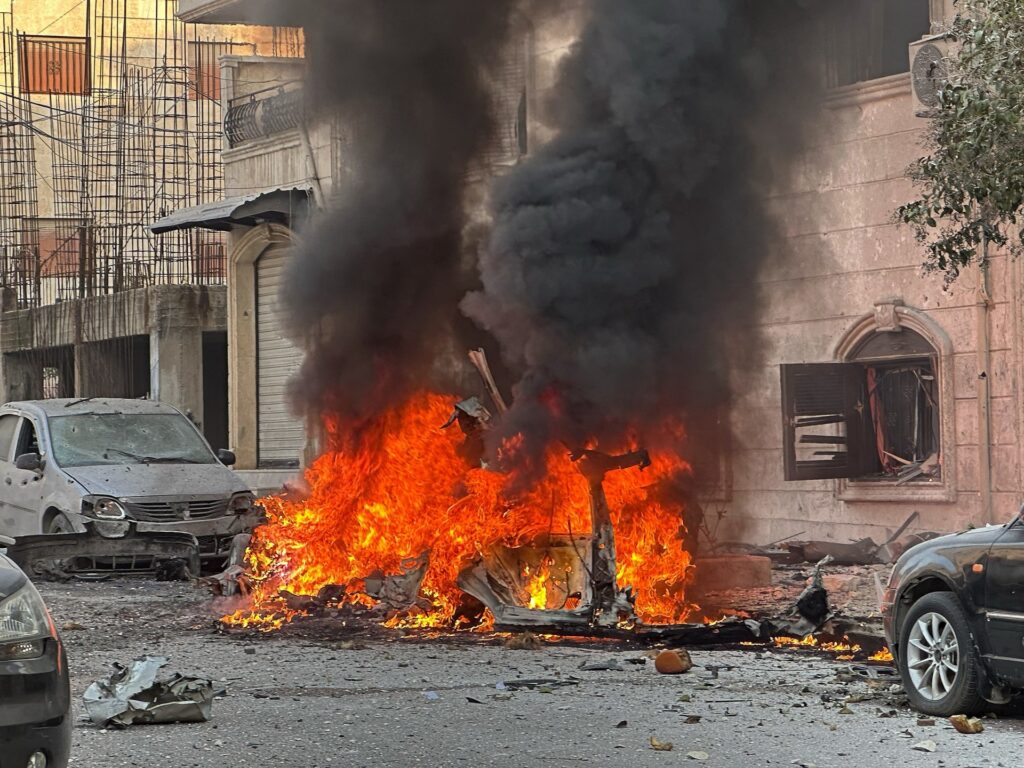
In a significant escalation of hostilities, Syria’s army has begun concentrated artillery shelling targeting the Syrian Democratic Forces (SDF) within the city neighborhoods of Aleppo. This offensive marks a critical development in the ongoing conflict dynamics within the region.
Aleppo, a city that has long been marred by conflict, remains a strategic and symbolic location for multiple factions vying for control. The recent artillery strikes by the Syrian government forces indicate an intensification of military efforts aimed at undermining the SDF’s position in the area.
The Syrian Democratic Forces, a key coalition predominantly composed of Kurdish fighters but inclusive of various ethnic and political groups, have maintained significant control over parts of Aleppo’s neighborhoods. Their presence in these urban sectors has been both a defensive strategy and a means to exert influence in northern Syria.
Reports from the ground confirm that heavy artillery fire has been directed at several neighborhoods where the SDF maintains outposts. Witnesses describe continuous shelling that has disrupted civilian life and caused structural damage to residential and commercial buildings.
The Syrian army’s use of concentrated artillery suggests a coordinated military campaign designed to weaken the SDF’s defensive capabilities and reclaim contested urban territory. This move could also be part of a broader strategy involving ground operations, though no major troop advances have been officially reported yet.
The humanitarian impact of this assault is an increasing concern. Aleppo’s population, already burdened by years of conflict, faces renewed dangers from the shelling, including risks to civilian casualties, displacement, and damage to critical infrastructure such as hospitals and schools.
International observers and local organizations have called for restraint and adherence to humanitarian laws to protect civilians and prevent further escalation of the conflict. The situation remains fluid, with the potential for further military actions and counterattacks expected in the coming days.
This development underscores the complex and multi-factional nature of the Syrian war, where alliances and battle lines frequently shift. The renewed clashes in Aleppo could have implications for the broader stability of the northwest region of Syria and influence ongoing diplomatic efforts aimed at conflict resolution.
As the situation unfolds, monitoring by international media, governments, and humanitarian agencies will be crucial to gauge the impact of the Syrian army’s offensive against the SDF and to provide timely support to affected populations. The coming weeks will be critical in determining the future trajectory of Aleppo’s conflict landscape.