In recent developments, former U.S. President Donald Trump has publicly dismissed claims made by the Kremlin regarding an attack on Russian President Vladimir Putin’s residence. The Russian Defence Ministry released a video allegedly showing a drone that was downed after being launched by Ukraine targeting Putin’s residence. However, Trump has spurned these assertions, questioning their legitimacy and suggesting alternative motives behind the announcement.
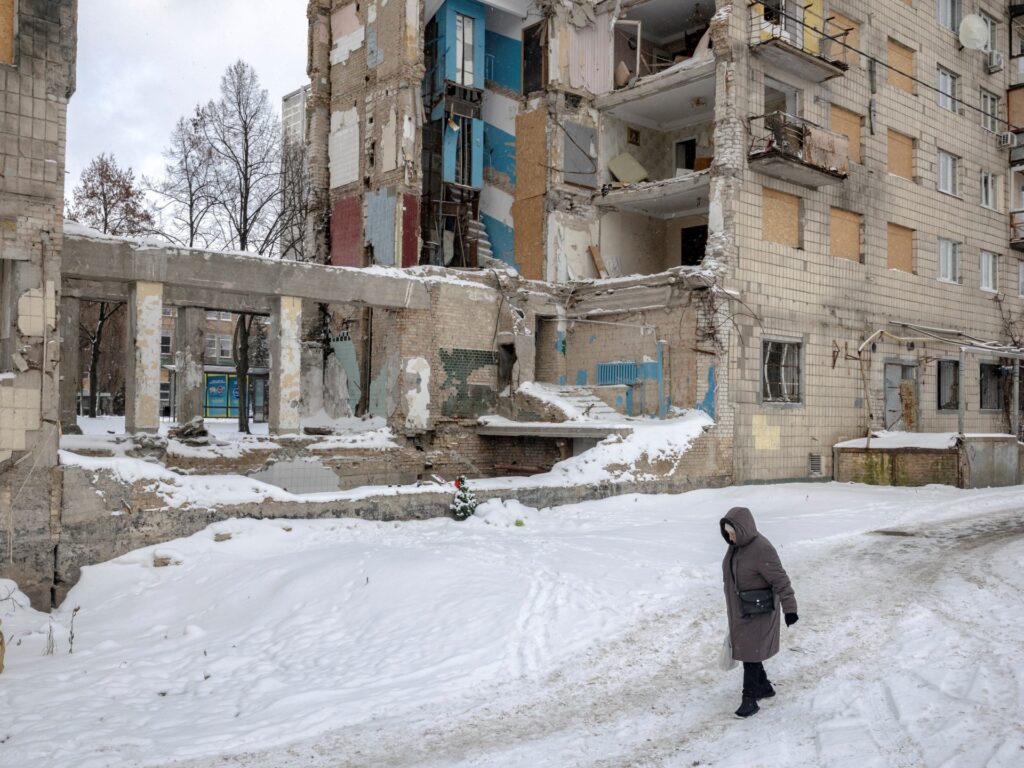
Meanwhile, on the ground in Ukraine, severe violence continues with Russian forces reportedly killing two individuals in Kyiv. This incident underscores the ongoing hostilities and the precarious security situation in the Ukrainian capital.
The Russian Defence Ministry’s video shows what they describe as a Ukrainian drone being intercepted and destroyed near Putin’s residence, a strategic claim intended to highlight Ukraine’s offensive operations deep into Russian territory. The Kremlin’s statements portray the event as a significant security threat to the highest level of Russian leadership.
Trump’s rejection of the Kremlin’s version could be interpreted as skepticism toward Russian state narratives, reflecting the complex international responses to the conflict. Observers note that Trump’s comments align with broader Western scrutiny of Russian military claims, which often serve propaganda or morale-boosting purposes.
In Kyiv, the deaths caused by Russian military actions have fueled international condemnation and calls for increased support to Ukraine. The ongoing war has resulted in substantial casualties and widespread destruction, with many viewing the conflict as a critical test of resistance against aggression.
This episode illustrates the persistent tensions between Russia and Ukraine as well as the divided global reaction to the war. While Russia emphasizes Ukraine’s aggression and its own defensive actions, Ukraine and much of the international community highlight the unprovoked nature of the Russian invasion.
Global powers remain wary, balancing diplomatic engagement and support for Ukraine with the risk of escalating the conflict further. The situation continues to evolve rapidly with new developments frequently emerging from the front lines and diplomatic arenas.
The conflicting narratives from Moscow and international figures like Trump demonstrate the complex information warfare accompanying the physical conflict. Understanding the truth behind such claims is challenging amidst the fog of war and competing propaganda.
As the war in Ukraine persists, the international community watches closely, hoping for de-escalation but preparing for the continuation of hostilities. Both the military developments in Kyiv and diplomatic rhetoric in global capitals will be key indicators of the conflict’s trajectory moving forward.