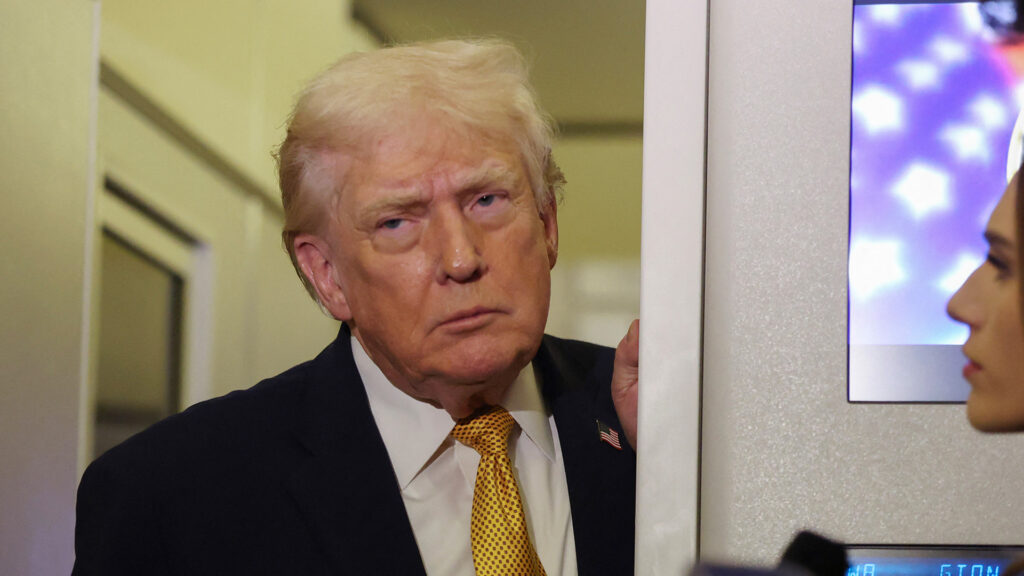
Former U.S. President Donald Trump has issued a stern warning regarding Venezuela, indicating the possibility of a second military strike if the Venezuelan government fails to cooperate with the United States. Speaking to reporters, Trump emphasized that the U.S. remains prepared to take decisive action to address the situation in Venezuela. This statement comes amid ongoing tensions between the two countries, with the U.S. expressing concerns over Venezuela’s political and economic instability under its current leadership.
The warning highlights the continuing strain in diplomatic relations, reflecting Trump’s hawkish stance on foreign policy issues related to Latin America. The first strike or military action specifics have not been detailed, but the mention of a “second strike” suggests previous efforts or threats that have failed to yield the desired cooperation from Venezuela’s government.
Trump’s remarks have sparked international attention and varying reactions from global leaders and analysts. Critics argue that further military action could exacerbate the humanitarian crisis in Venezuela, while supporters claim that a strong stance may pressure Venezuelan authorities to engage in negotiations or reforms.
The situation in Venezuela has been marked by political upheaval, economic hardship, and social unrest. The regime led by President Nicolás Maduro has faced accusations of authoritarianism, corruption, and human rights violations. The U.S. has been one of several countries imposing sanctions on Venezuela and rallying support for opposition movements seeking democratic change.
Trump’s administration previously implemented strict measures against Venezuela, including economic sanctions targeting key sectors like oil exports, which are central to the Venezuelan economy. The threat of military intervention adds a new dimension to the ongoing conflict, raising concerns about regional stability and the potential for broader geopolitical repercussions.
Analysts caution that any military action could lead to unpredictable consequences, including increased violence, displacement of civilians, and destabilization of neighboring countries. Diplomatic efforts continue alongside these hardline postures, with some international actors advocating for peaceful dialogue and multilateral solutions.
The U.S. government’s position underscores the complexities involved in addressing Venezuela’s crisis. Balancing pressure on the Maduro regime with the welfare of the Venezuelan people remains a significant challenge. Trump’s warning of a possible second strike serves as a grim reminder of the escalating tensions and the high stakes involved in the region.
As developments unfold, close monitoring of the situation is essential to understand the full implications of the U.S. stance and the responses from Venezuela and the global community. The prospect of further military action has injected a new sense of urgency and uncertainty into an already volatile scenario, marking a critical juncture in U.S.-Venezuela relations.