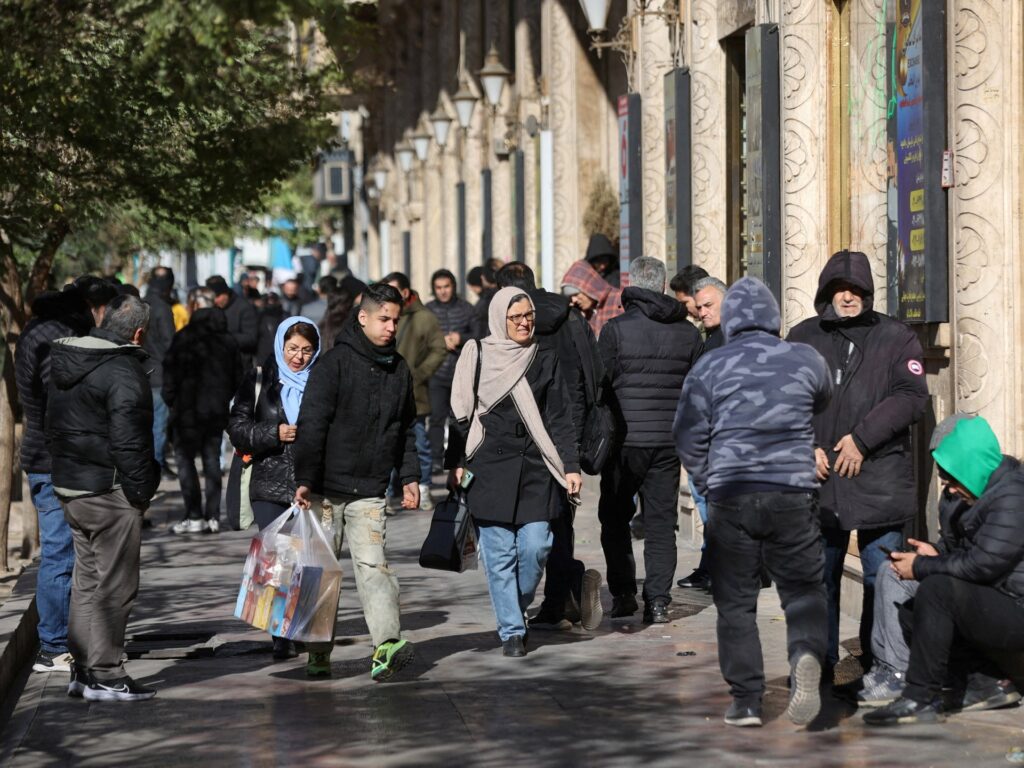
TEHRAN – Sporadic protests have reportedly broken out in the Iranian capital of Tehran, with further clashes making headlines in the western regions of the country. These demonstrations, initially ignited by deep-seated economic grievances, appear to be evolving into more politically charged movements in several cities, signaling a growing discontent among the populace.
The Islamic Republic has been grappling with a confluence of economic challenges, including persistent inflation, high unemployment rates, and the impact of international sanctions. These pressures have significantly eroded the purchasing power of ordinary citizens, leading to widespread frustration and a sense of hopelessness for many families struggling to make ends meet. It is this economic duress that has served as the primary catalyst for the current wave of public demonstrations.
Reports from various sources indicate that while the initial impetus for these gatherings was economic, the rhetoric and demands of protesters in some areas have shifted to encompass broader political grievances. Chants and slogans heard in some demonstrations suggest a dissatisfaction with the current governance and a call for more fundamental changes within the political system. This transition from economic to political demands is a crucial development, marking a potential escalation in the nature of the protests.
The geographical spread of these protests is also a significant concern for authorities. What began as isolated incidents in major urban centers like Tehran has reportedly expanded to include cities in Iran’s western provinces, a region known for its diverse ethnic and linguistic communities. The spread suggests that the underlying issues resonate across different segments of Iranian society, indicating a more pervasive challenge to stability.
Security forces have reportedly been deployed to manage the demonstrations, with unconfirmed reports of clashes in some areas. The government’s response to these protests will be critical in determining their trajectory. A heavy-handed approach could further inflame tensions, while a more conciliatory stance might open avenues for dialogue, though the latter appears less likely given past responses to similar unrest.
Observers are closely monitoring the situation, noting the echoes of previous periods of widespread protest in Iran. The current wave, fueled by a potent mix of economic hardship and emerging political demands, poses a complex challenge for the authorities. The coming days and weeks will be crucial in understanding whether these sporadic demonstrations consolidate into a larger, more sustained movement, or if they will be contained by state efforts.
The international community, while largely quiet on the specific events, remains watchful, aware of the potential for these internal developments to have broader regional implications. The evolution of these protests will undoubtedly be a key focus for analysts attempting to gauge the internal stability of Iran and the broader dynamics of the Middle East. The interplay between economic hardship and political aspirations continues to shape the narrative within the nation’s borders, with an uncertain future ahead.