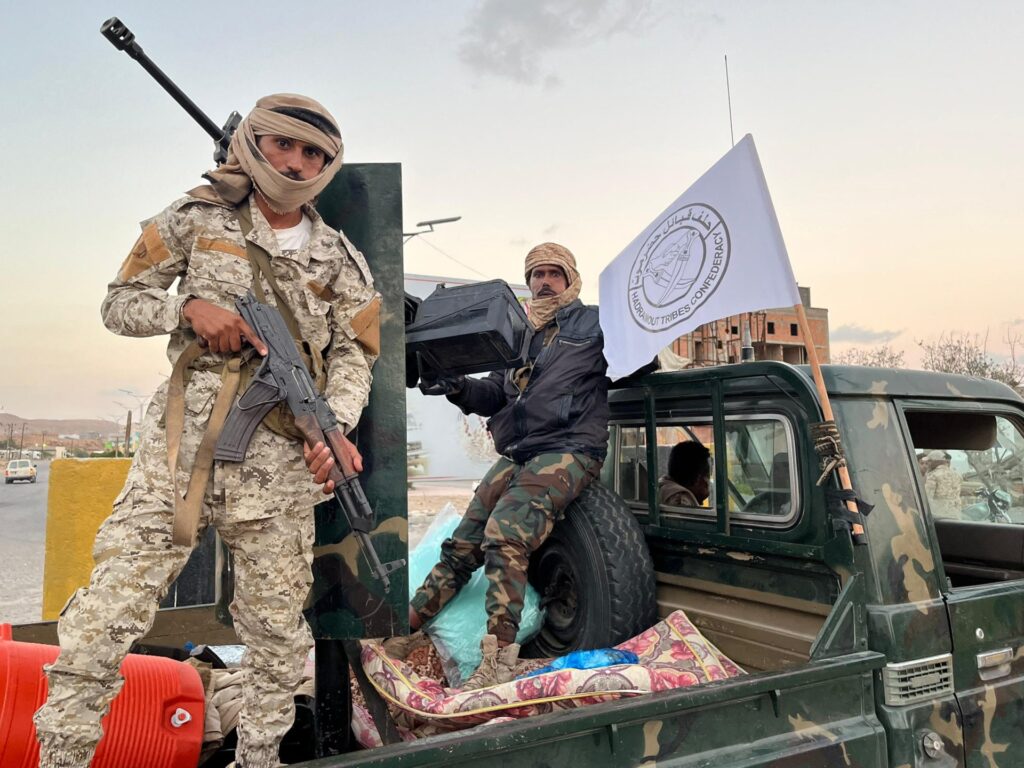
San’a, Yemen – In a significant development for the ongoing conflict in Yemen, pro-government forces have announced they have regained full control over multiple cities in the southern part of the country, most notably the strategic Wadi Hadramout region. This marks a crucial turning point, according to officials aligned with the internationally recognized government, who claim these victories will pave the way for further stabilization and a potential shift in the balance of power.
The announcement comes after weeks of intense fighting and strategic maneuvers across the vast and complex terrain of southern Yemen. The Wadi Hadramout area, a historically significant and resource-rich region, has been a focal point of contention due to its strategic location and economic importance. Control over this area not only grants the government forces a stronger foothold but also cuts off key supply lines for opposing factions.
Local sources, while cautious, corroborate reports of government forces establishing firm control, with residents in several towns reporting increased security presence and a reduction in hostilities following the recent advances. The recapture of these territories is being lauded by government loyalists as a testament to their renewed military capabilities and a significant blow to the various insurgent groups that have challenged the central authority for years.
Analysts are carefully watching the implications of these gains. The ability of government forces to hold and administer these recaptured areas will be a critical test of their long-term strategy. The conflict in Yemen has been characterized by shifting frontlines and a complex web of alliances and rivalries, making any decisive victory a potential harbinger of broader changes.
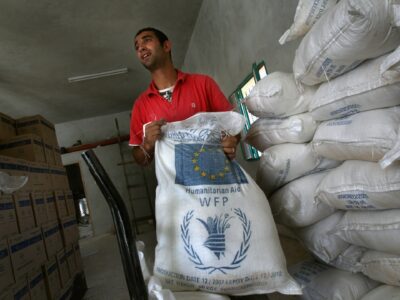
The humanitarian situation in Yemen remains dire, and any military development is viewed through the lens of its potential impact on the civilian population. While the reassertion of government control might bring a semblance of order to the affected regions, the broader challenges of aid delivery, infrastructure rebuilding, and long-term peace remain paramount.
The international community has yet to issue a comprehensive statement on these latest developments, but observers anticipate that these shifts in control will likely influence future diplomatic efforts and peace negotiations. The government’s renewed strength in the south could alter its negotiating position, potentially leading to new dynamics in the stalled peace process.
Further reports are expected as the situation on the ground continues to evolve, with many looking to see if these recent gains can be consolidated into a lasting peace and stability for the beleaguered nation of Yemen.