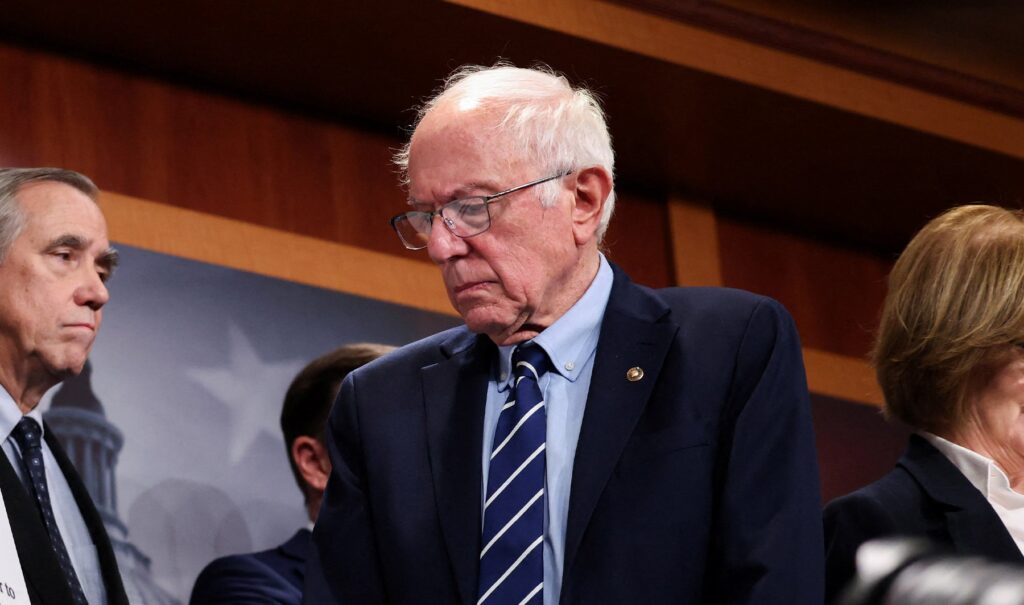
Senator Bernie Sanders (I-VT) has delivered a profound and sharp rebuke of President Donald Trump’s escalating rhetoric and actions concerning Venezuela. He explicitly accused the administration of attempting to circumvent the constitutional authority vested in Congress, expressing deep alarm. Sanders’ condemnation highlights a profound concern that the White House is dangerously inching towards unilateral military intervention. Such a move, he warned, could potentially drag the United States into another protracted, devastating, and entirely unwarranted conflict, all without the explicit consent of the legislative body specifically designed to check executive power on matters of war and peace.
In a powerful statement that resonated with constitutional scholars and peace advocates alike, the Vermont Senator underscored a foundational principle of American governance: the inherent and exclusive power to declare war resides solely with Congress. “The President does not possess the inherent authority to unilaterally initiate a war against Venezuela, or indeed against any other sovereign nation,” Sanders asserted with conviction. He continued, “Any attempt by the executive branch to engage militarily without the explicit authorization of the people’s representatives in Congress would not only be a grave breach of constitutional protocol, severely undermining our system of checks and balances, but also, unequivocally, an impeachable offense.” This strong assertion draws a clear line, emphasizing the critical role of deliberative debate and democratic consensus before committing American lives and resources abroad.
Sanders’ serious concerns arrive amid a period of significantly heightened tensions between Washington and Caracas. The Trump administration has markedly intensified economic sanctions against the Venezuelan government, consistently labeling the Nicolás Maduro regime as illegitimate. Administration officials have openly discussed “all options” – a frequently used diplomatic euphemism widely understood to include military action – to facilitate a change in leadership within Venezuela. While the current “attack” largely constitutes diplomatic isolation, financial pressure, and rhetorical challenges, Sanders warns that the administration’s increasingly aggressive posture and its apparent disregard for necessary congressional input signal a perilous trajectory towards direct military involvement, bypassing the very checks and balances enshrined meticulously in the U.S. Constitution.
Drawing deeply upon historical lessons learned from past interventions and conflicts, Senator Sanders cautioned emphatically against repeating these costly foreign policy missteps. “We have seen this playbook before, countless times,” he remarked with palpable concern. “Where the drums of war beat louder and louder, often fueled by an interventionist desire for quick regime change. History unequivocally shows that such unilateral actions, undertaken without broad support and careful consideration, invariably lead to disastrous, unforeseen consequences. These include prolonged instability, immense human suffering, and significant costs both in American blood and treasure, consistently failing to achieve their stated objectives and often creating new, more complex problems.” His consistent anti-interventionist stance underpins his powerful argument for diplomacy and international cooperation over military adventurism.
The Senator further elaborated on his view that engaging in military action without prior congressional approval fundamentally undermines the very fabric of American democracy. Such a move, he argued passionately, not only severely erodes the constitutional authority of the legislative branch, making a mockery of its constitutional role, but also deeply alienates the American public. Citizens, he stressed, rightfully expect their elected representatives to engage in thorough, transparent, and public deliberation on matters of such profound national gravity. He emphasized that a transparent and open debate in Congress is absolutely essential for ensuring that any decision to commit the nation to war reflects the informed will of the people and is meticulously vetted for its strategic merits, ethical implications, and potential long-term ramifications.
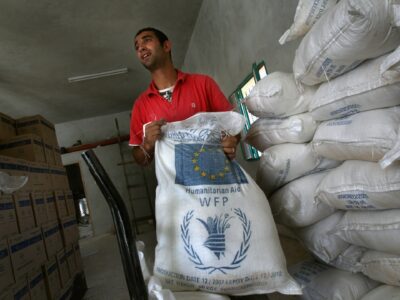
The already tragic humanitarian situation in Venezuela, marked by widespread poverty, severe food shortages, a collapsing healthcare system, and mass migration, stands to worsen dramatically. Sanders vehemently warned that a military intervention, far from alleviating the immense suffering of the Venezuelan people, would almost certainly exacerbate the existing crisis to catastrophic levels. Such an action, he contended forcefully, would undoubtedly trigger further massive displacement, intensify civil violence, and profoundly destabilize an already volatile Latin American region, creating a cascade of negative effects that would be incredibly difficult, if not impossible, to contain. He urgently called for a renewed commitment to comprehensive diplomatic engagement, robust humanitarian assistance, and strong international collaboration to address the multifaceted and complex challenges confronting the Venezuelan people.
In his impassioned appeal, Senator Sanders reiterated his unwavering commitment to upholding the sanctity of the U.S. Constitution and preventing the executive branch from exceeding its legal boundaries and usurping powers it does not possess. His unequivocal condemnation serves as a critical and timely voice of caution against what he perceives as a perilous drift towards unauthorized military action. It reinforces the indispensable requirement for democratic process, rigorous congressional oversight, and public accountability in all decisions concerning war and peace. The intensifying debate over Venezuela thus transcends mere foreign policy, evolving into a crucial test of the fundamental balance of power within American governance and the future of its democratic institutions.