In a seismic and unprecedented global development, President Nicolas Maduro of Venezuela has been captured and subsequently transported to a high-security detention center located in New York, following an audacious and rapidly executed military operation by the United States. This extraordinary turn of events witnessed US forces conducting targeted aerial bombings and ground assaults across various strategic locations within Venezuela, effectively dismantling Maduro’s government and propelling the oil-rich South American nation into an entirely new and profoundly uncertain political epoch.
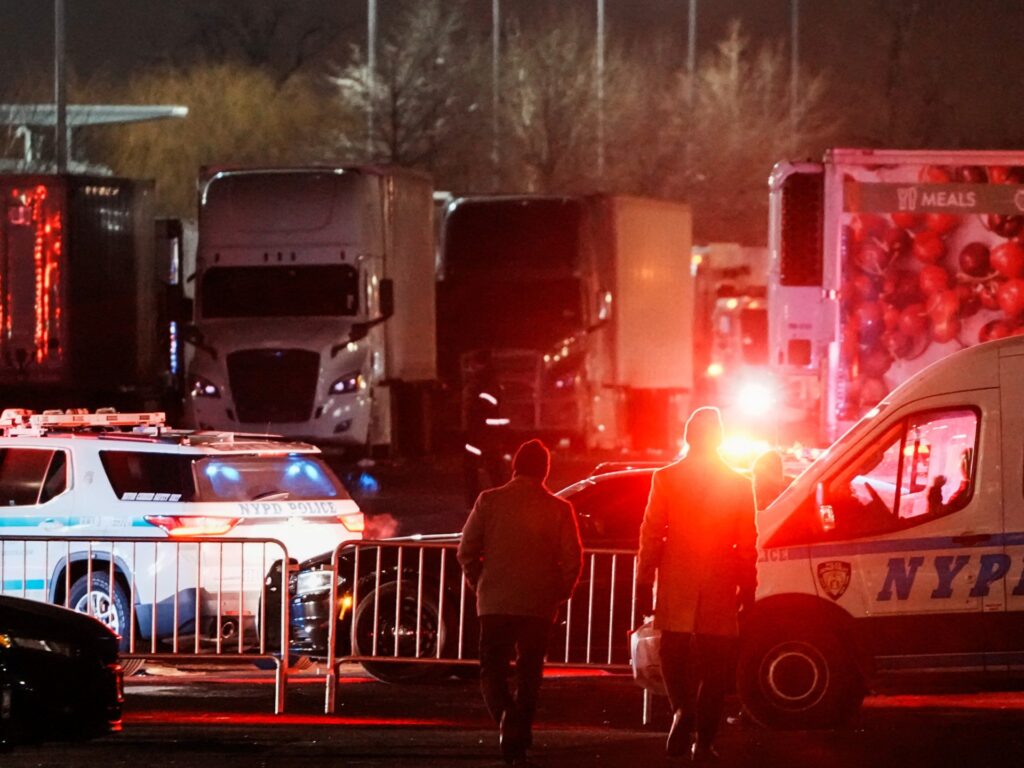
The daring intervention reached its climax with the apprehension of President Maduro, who, according to preliminary intelligence reports, was taken into custody amidst the widespread chaos and confusion that engulfed Caracas during the intense US offensive. While precise details concerning his specific confinement facility in New York remain closely guarded, authoritative sources indicate that he is now being held within a specialized federal institution. This detention is pending the initiation of intricate legal and diplomatic proceedings, the exact nature and timeline of which are yet to be clearly articulated by US authorities.
The meticulously planned military action, which dramatically commenced in the pre-dawn hours, involved precision strategic strikes specifically aimed at critical military installations, key governmental infrastructure, and communication hubs across Venezuela. US officials, who chose to speak on the strict condition of anonymity due to the sensitive nature of the ongoing situation, asserted that the entire operation was painstakingly designed to achieve a rapid neutralization of the Maduro regime’s capacity to organize any significant resistance, all while striving to minimize potential civilian casualties. The overwhelming speed and decisive force of the assault caught international observers completely by surprise and largely rendered the Venezuelan military ineffective in mounting any cohesive or coordinated defense.
In the immediate aftermath of the successful execution of the military phase, former President Donald Trump delivered a powerful and impactful public address from the Oval Office, wherein he starkly declared that the United States would now directly “run” Venezuela. This bold statement unequivocally signals a monumental and perhaps irreversible shift in established US foreign policy towards Latin America, strongly implying an expansive and direct administrative role in the nation’s governance. Trump’s declaration promises a period of direct American oversight aimed at comprehensively rebuilding the country’s fractured economy and its deeply fragmented political landscape. He vociferously emphasized what he termed the absolute necessity of the intervention, citing the imperative to restore democratic principles, ensure regional stability, and urgently address the profound humanitarian crisis that has tragically afflicted Venezuela for a protracted period.
The international community, still reeling from the suddenness and scale of the intervention, has reacted with a complex mosaic of shock, widespread condemnation from some quarters, and a cautious, wait-and-see observation from others. While numerous nations have vehemently decried the intervention as a flagrant violation of national sovereignty and a severe breach of international law, several other countries, particularly those within the immediate South American region that have long contended with the spillover effects of Venezuela’s chronic instability, have opted to reserve their definitive judgment, awaiting further comprehensive clarity regarding the US’s stated long-term intentions and strategic objectives. The United Nations Security Council is now expected to convene an emergency session in the coming hours to formally address this unfolding crisis, with widespread urgent calls from member states for immediate de-escalation, strict adherence to established international norms, and a peaceful resolution.
Political analysts and geopolitical strategists are now universally suggesting that the United States’ unprecedented assertion of direct control over Venezuela is poised to present a myriad of exceptionally complex challenges and potentially intractable dilemmas. From the intricate process of establishing a legitimate and broadly accepted interim government, to the meticulous management of the country’s immense and coveted oil reserves, and the daunting task of comprehensively addressing its deeply entrenched social and economic maladies, the path forward appears fraught with innumerable political, economic, and humanitarian pitfalls. The profound humanitarian implications of such an extensive intervention, coupled with the far-reaching geopolitical ramifications in a region historically characterized by a deep-seated suspicion and wary apprehension of overt US military involvement, will undoubtedly be scrutinized with unparalleled intensity by global powers and human rights organizations alike.
The forthcoming days and weeks are widely anticipated to bring significantly more clarity regarding the precise strategic objectives of the United States and the specific operational mechanisms through which it ultimately plans to administer and govern Venezuela. As the world watches with collective bated breath, a profoundly new and transformative chapter is undoubtedly unfolding in the tumultuous history of Venezuela and, indeed, in the broader annals of international relations. This singular moment has the potential to fundamentally redefine the existing global order and reshape geopolitical alignments for generations to come.