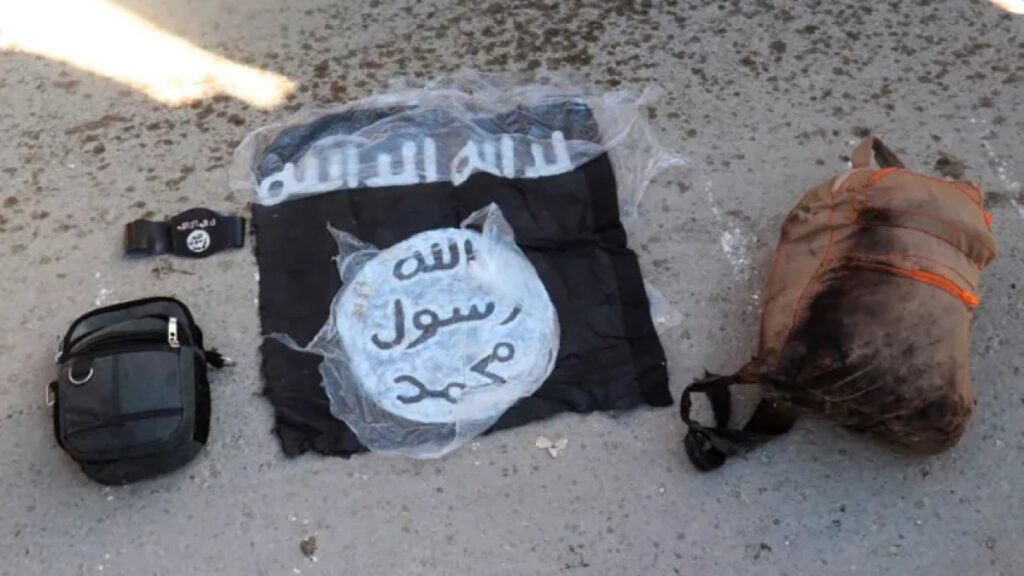
**London/Paris –** In a coordinated effort to degrade the operational capabilities of the Islamic State of Iraq and the Levant (ISIL), the United Kingdom and France have carried out a joint airstrike on a suspected ISIL underground facility near the ancient city of Palmyra in Syria. The target, identified by the UK’s Ministry of Defence (MoD), is believed to have been a crucial storage site for ISIL weaponry, posing a significant threat to regional stability and international security.
The precision strike underscores the ongoing commitment of allied forces to counter terrorism and dismantle the infrastructure of extremist organizations. While specific details of the ordnance used and the immediate aftermath are still emerging, the operation highlights the strategic intelligence gathering and collaborative military planning between the two European powers.
According to statements from the UK MoD, intelligence indicated that the targeted underground complex was actively being utilized by ISIL for the storage and potential distribution of arms. Such facilities are vital for the group to sustain its operations, arm its fighters, and launch attacks, making their destruction a key objective in the broader campaign against the terrorist entity.
The area around Palmyra, a UNESCO World Heritage site, has been a strategic flashpoint in the Syrian conflict. ISIL has previously occupied and exploited the region, using its historical significance and geographical location to its advantage. Disrupting their logistics and supply lines in this vicinity is seen as a critical blow to their ability to regroup and project force.
This joint operation is not an isolated incident but rather a continuation of sustained international efforts to combat ISIL, which, despite significant territorial losses, continues to pose a persistent threat through its networks and insurgent activities. The cooperation between the UK and France demonstrates a united front against radical extremism and a shared resolve to prevent the resurgence of the group.
Analysts suggest that targeting such hidden infrastructure is crucial for long-term success against ISIL, as it directly impacts their logistical backbone rather than merely engaging their frontline fighters. Underground facilities can often shield valuable assets from conventional surveillance and attacks, requiring sophisticated intelligence and precision munitions to neutralize effectively.
The successful execution of the strike sends a clear message to ISIL that its efforts to maintain operational capacity will be met with firm and coordinated responses from the international coalition. As the conflict in Syria continues to evolve, these targeted operations remain a cornerstone of the strategy to stabilize the region and protect global security interests from terrorist threats.
Further details are expected to be released as post-strike assessments are completed, providing a clearer picture of the impact on ISIL’s capabilities. The operation reaffirms the relentless pursuit of terrorist elements, wherever they may hide, by committed international partners.