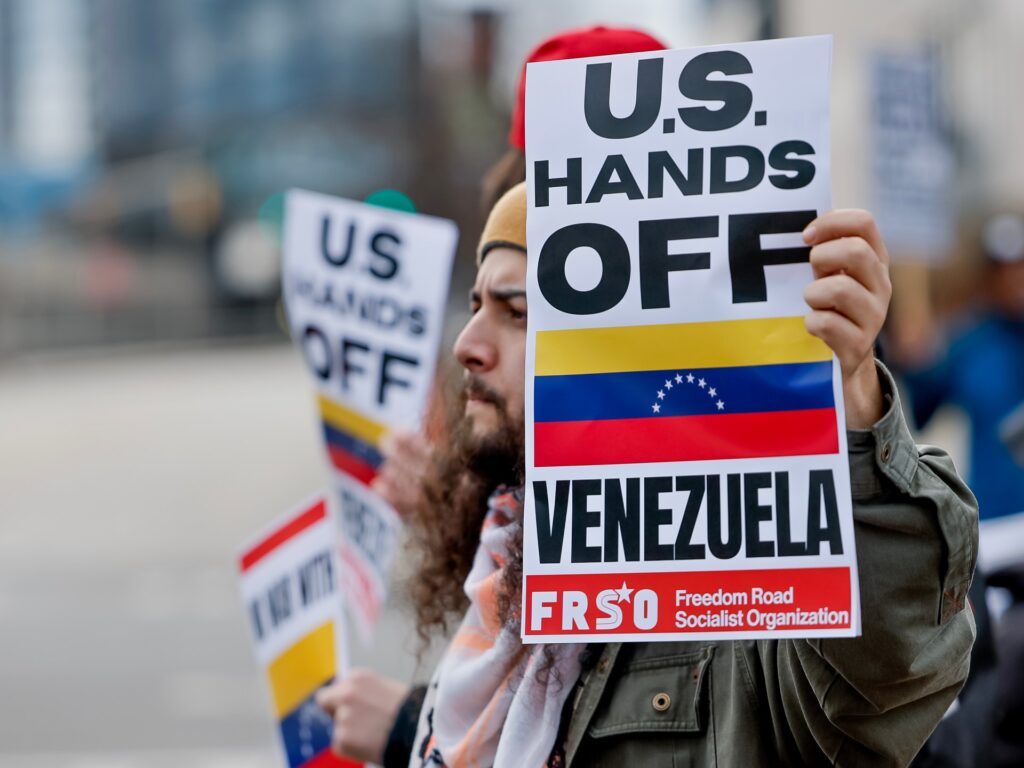
A prominent international law expert has vehemently denounced the United States’ aggressive posture and sustained attempts to destabilize the Venezuelan government, unequivocally labeling them both an ‘act of war’ and an ‘illegal use of force.’ This stark condemnation comes as global scrutiny intensifies over Washington’s multifaceted campaign aimed at effecting regime change and removing President Nicolas Maduro from power.
The expert, a distinguished university professor specializing in international relations and conflict resolution, articulated that the rationale put forth by the previous Trump administration for its interventions—ranging from severe economic sanctions to covert support for opposition movements—constituted a direct violation of international law and sovereign principles. Such persistent actions, the professor argued, far exceed the accepted bounds of diplomatic pressure, decisively entering the dangerous territory of hostile acts typically associated with warfare and direct aggression.
‘What we are witnessing in Venezuela is not merely foreign policy disagreement,’ the professor stated unequivocally. ‘It is a deliberate, well-orchestrated strategy designed to effect regime change through means that overtly bypass and undermine established international legal frameworks. To characterize these actions as anything less than an act of war is to fundamentally misunderstand the nature of modern conflict and the erosion of national sovereignty.’
The core of the ‘illegal use of force’ argument powerfully centers on the fundamental tenets enshrined within the United Nations Charter, which strictly prohibits member states from employing the threat or use of force against the territorial integrity or political independence of any other state. Unless explicitly sanctioned by the UN Security Council or exercised in legitimate self-defense, any such unilateral intervention is unequivocally deemed unlawful. The US actions against Venezuela, the professor pointed out, have conspicuously lacked either of these critical legitimizing factors.
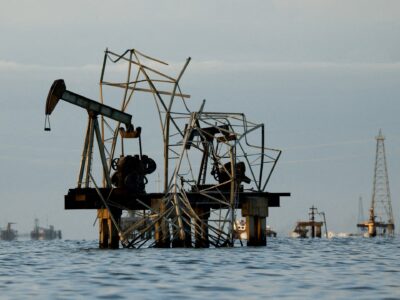
The Trump administration’s frequently stated objectives for its Venezuela policy often revolved around claims of restoring democracy, alleviating humanitarian crises, and combating alleged corruption within the Maduro government. However, numerous critics, including the expert, have cogently argued that these publicly declared pretexts served as a thin veil for underlying geopolitical and economic interests, specifically a long-standing desire to control Venezuela’s vast oil reserves. The professor highlighted that genuine humanitarian concerns should be addressed through impartial multilateral channels and robust aid, not through punitive measures that inevitably exacerbate economic hardship for ordinary Venezuelan citizens.
Efforts to dislodge President Maduro from Miraflores Palace have been relentlessly pursued. These have included crippling economic sanctions targeting Venezuela’s vital oil industry—its economic lifeblood—the freezing of state assets held abroad, and the public endorsement of opposition leader Juan Guaidó as the legitimate interim president. These aggressive maneuvers, while consistently framed as support for democratic aspirations, have been widely and deservedly criticized for their profound destabilizing effects on the country and their direct impact on the Venezuelan populace, leading to widespread shortages and suffering.
The professor meticulously dissected the argument that such interventions are permissible under the guise of promoting democracy. ‘Actual democracy cannot be legitimately imposed at the barrel of a gun or through prolonged economic strangulation,’ the expert asserted. ‘Such a coercive approach not only fundamentally undermines the very principles it falsely claims to uphold but also sets an exceptionally dangerous precedent for future international relations, empowering powerful nations to unilaterally dictate the leadership and political destiny of smaller states.’
Furthermore, the cascading long-term consequences of such interventionist and unilateral policies extend far beyond Venezuela’s sovereign borders. They contribute significantly to the erosion of trust in international institutions, fuel anti-American sentiment across Latin America, and can inadvertently empower authoritarian regimes globally by providing them with a compelling narrative of external aggression. The expert warned unequivocally that the international community risks descending into an era where ‘might makes right’ if these profound violations of international law and norms are not firmly challenged.
The professor’s timely and urgent admonition thus serves as a potent reminder of the delicate balance of international law, the absolute imperative for all nations to scrupulously adhere to non-interventionist principles, and the profound moral and legal obligations that underpin a stable global order. The ongoing saga in Venezuela, therefore, transcends a mere geopolitical dispute; it is not just about a single nation’s contested political future but critically about the very foundations of the global order, the sanctity of national sovereignty, and the future of international legal norms in an increasingly interconnected world. The insistent call for a comprehensive re-evaluation of US policy towards Venezuela and an immediate return to respectful diplomatic norms and multilateral engagement echoes loudly and urgently from the academic sphere.