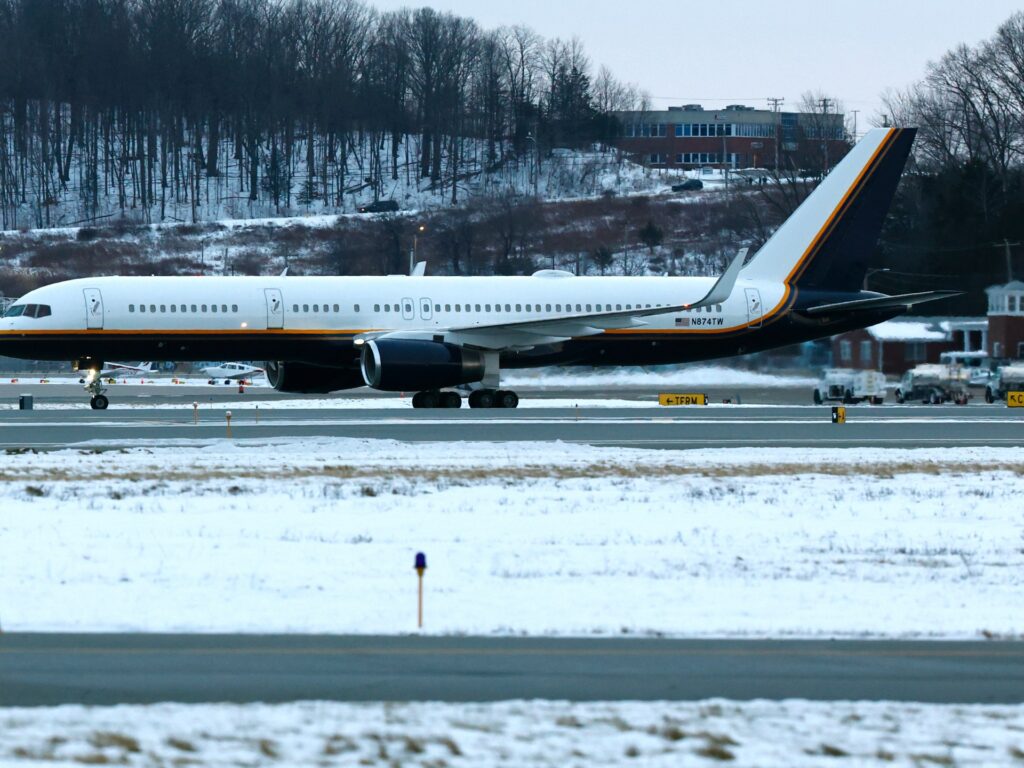
In a dramatic and unprecedented turn of events, Venezuelan President Nicolas Maduro has reportedly arrived in New York City, following his capture amidst a sweeping military intervention by the United States. This seismic development, unfolding rapidly over the past 48 hours, has sent shockwaves across the globe, fundamentally altering Latin America’s geopolitical landscape and triggering a cascade of international reactions.
Sources confirm that the United States initiated targeted air strikes against strategic installations within Venezuela, a direct precursor to a swift ground operation aimed at toppling the Maduro regime. This offensive culminated in the apprehension of the Venezuelan leader, whose whereabouts had been the subject of intense speculation until his arrival on American soil, signaling a profound shift in power dynamics.
The long-simmering tensions between Washington and Caracas reached an explosive boiling point, culminating in this direct military confrontation. For years, the U.S. has labeled Maduro’s government illegitimate, citing human rights abuses, systemic corruption, and undermining democratic institutions. Venezuela, under Maduro, defiantly resisted international pressure, instead strengthening alliances with nations antagonistic to U.S. foreign policy.
While specific details surrounding Maduro’s capture remain scant, preliminary reports suggest he was apprehended in a clandestine location by U.S. special forces. He was subsequently transported under heavy guard to New York, where he is widely anticipated to be formally indicted and compelled to face severe federal charges. These include drug trafficking, corruption, and human rights violations – charges previously leveled by the U.S. Department of Justice, underscoring a clear intent for accountability.
This intervention marks a significant escalation in U.S. foreign policy, raising complex questions about international law and national sovereignty. World leaders are scrambling to formulate reactions. Some nations are condemning the unilateral action as a flagrant violation of international norms and a dangerous precedent, while others, particularly those aligned with U.S. interests, offer quietly supportive statements regarding the sudden change in Venezuela’s leadership, signaling a fragmented global response.
Domestically, Venezuela now faces immense uncertainty. With Maduro removed, a political vacuum has materialized, and the path forward for the deeply divided nation remains unclear. International bodies, including the United Nations, are issuing urgent appeals for calm and advocating for a peaceful, orderly transition of power. They emphasize upholding democratic principles and ensuring humanitarian aid for the long-suffering Venezuelan populace, who have endured years of economic hardship and political instability.
The U.S. administration has yet to issue a comprehensive statement outlining the full scope of its operations or its long-term strategic plans for Venezuela. However, initial diplomatic signals suggest a firm commitment to supporting an interim transitional government. This government, it is hoped, would facilitate free and fair democratic elections, ultimately aiming to restore legitimate governance in the oil-rich nation. The stated goal is to bring stability and self-determination to the Venezuelan people.
Political analysts and international relations experts predict extraordinarily far-reaching repercussions from this dramatic intervention. They anticipate significant impacts on regional alliances, profound shifts in global oil markets, and a fundamental re-evaluation of international diplomacy and interventionism. The arrival of Nicolas Maduro in New York signifies the definitive end of an era for Venezuela. Simultaneously, it marks the turbulent beginning of a new chapter in its history and within global power dynamics. The world watches with bated breath as events continue to unfold.