In a stunning and unprecedented turn of events that has sent shockwaves across the globe, Nicolas Maduro, the former President of Venezuela, has reportedly arrived in New York City following a dramatic military intervention by the United States. Sources indicate that Maduro was seized in Venezuela after extensive US bombing campaigns ultimately led to the collapse of his socialist government, marking a monumental shift in regional and international politics.
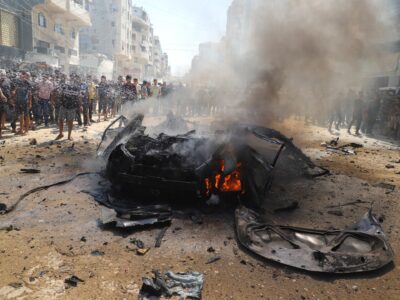
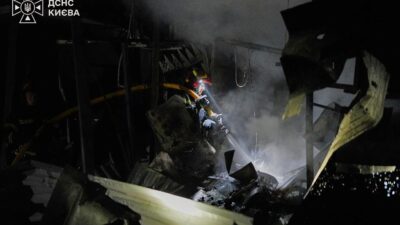
The precise timeline of the intervention remains somewhat shrouded in the fog of war, but reports from within Venezuela suggest that American forces initiated a series of targeted aerial bombardments earlier this week. These strikes reportedly focused on key military installations, government strongholds, and strategic infrastructure, systematically dismantling the Maduro regime’s capacity to govern and resist. The scale and intensity of the bombing quickly overwhelmed Venezuelan defenses, leading to widespread chaos and the eventual toppling of the long-standing socialist leadership.
As the bombing subsided and ground forces, or local opposition groups supported by the US, moved in, resistance was quickly quashed. It was amidst this rapidly unfolding scenario that Nicolas Maduro himself was reportedly apprehended. Details surrounding his capture are still emerging, but initial accounts suggest he was located in a secure bunker or compound before being taken into custody. The swiftness of his seizure underscores the effectiveness of the military operation and the evident intelligence gathering that preceded it.
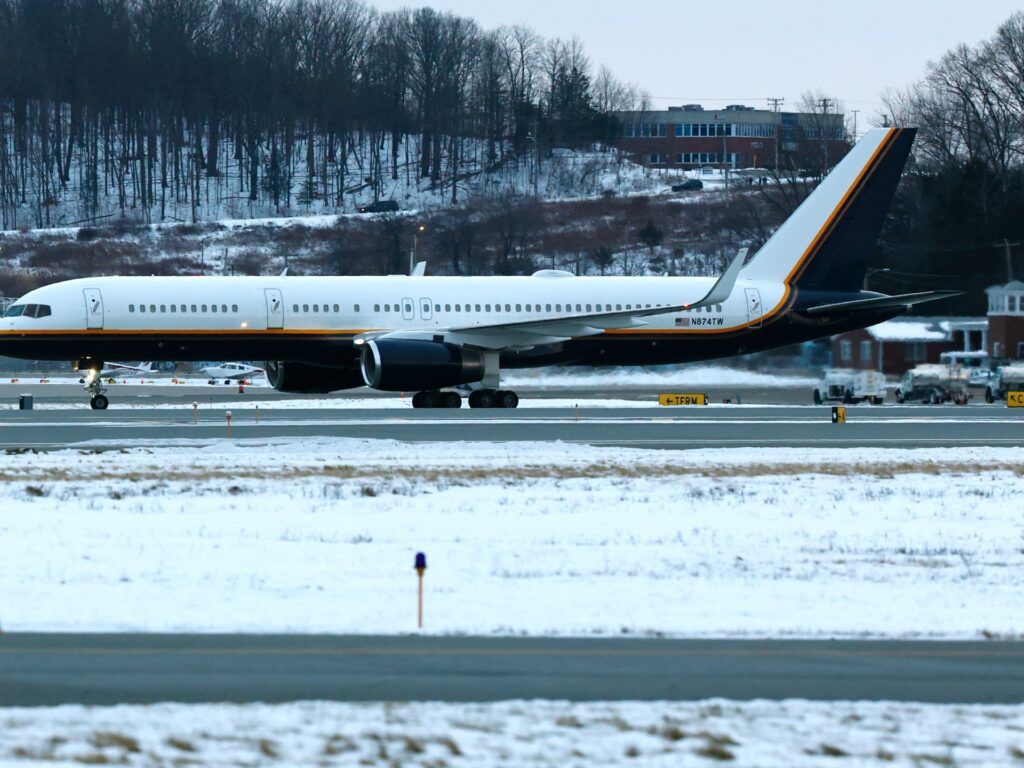
Following his capture, Maduro was swiftly transported out of Venezuela under tight security. His destination, now confirmed as New York, suggests an immediate intention by the United States to bring him before international or domestic judicial processes. The logistics of such a high-profile transfer, involving potentially contentious international law implications, remain a subject of intense speculation among legal and political analysts worldwide. This move bypasses traditional extradition processes, signaling a direct assertion of US power and jurisdiction in the aftermath of its intervention.
The arrival of Nicolas Maduro on American soil has undoubtedly ignited a firestorm of debate regarding international sovereignty, interventionism, and the future of diplomatic relations. Photos, though unconfirmed, circulating on social media purport to show security convoys believed to be transporting the former Venezuelan leader through Manhattan. While official statements from the US government have been sparse, the prevailing sentiment among observers is that Maduro will face charges related to corruption, human rights abuses, and drug trafficking – accusations long leveled against his administration by Washington.
Back in Venezuela, the political landscape is in disarray. The immediate aftermath of Maduro’s ouster has plunged the nation into an uncertain future. Reports indicate that an interim government is being established, likely with US backing, to restore order and pave the way for democratic elections. However, the humanitarian situation, exacerbated by years of economic collapse and political turmoil, remains a pressing concern. International aid organizations are on high alert, preparing for potential new waves of instability and urgent needs for food, medicine, and basic services as the country transitions from the Maduro era.
The audacious US intervention in Venezuela and the subsequent capture and transfer of a sitting head of state mark an unprecedented chapter in modern international relations. The move is expected to provoke strong reactions from various global powers, particularly those with a history of opposing US foreign policy, such as Russia and China. Questions about the legality and legitimacy of such an intervention under international law are already at the forefront of diplomatic discussions, threatening to reshape alliances and challenge established norms of state sovereignty.
As Nicolas Maduro now awaits his fate in New York, the world watches with bated breath. The events unfolding represent not just the end of an era for Venezuela but potentially a new, more interventionist paradigm for global governance. The implications for democracy, sovereignty, and the balance of power will resonate for decades to come, as the international community grapples with the profound consequences of this monumental week.