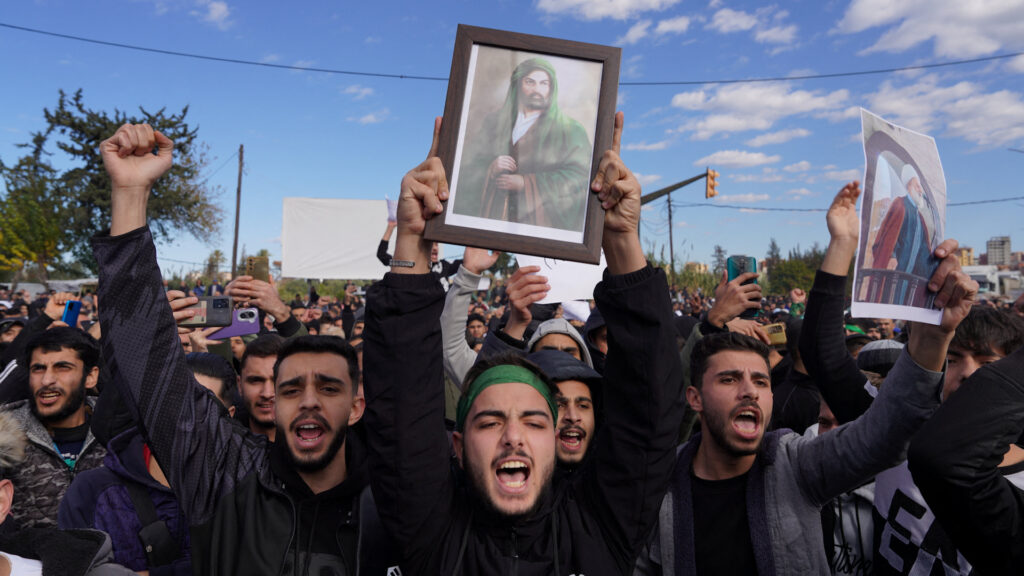
Recent events in Syria have taken a tragic turn following a deadly explosion at a mosque that ignited protests across the country. The incident has sparked significant unrest, prompting Syrian government forces to be deployed in an attempt to control the escalating situation.
The mosque explosion, which occurred in a densely populated area, led to immediate outrage among locals, who gathered to protest against what they perceive as a failure in security and governance. The demonstration quickly escalated into violent clashes between protestors and government troops.
Eyewitness accounts detail intense confrontations in several cities, with reports of stone-throwing and the use of live ammunition resulting in multiple casualties. Human rights organizations have expressed deep concern about the loss of life and the growing scale of the conflict.
The Syrian government has stated that the deployment of troops is necessary to maintain order and prevent further violence. However, opposition groups argue that the response is overly harsh and risks exacerbating tensions.
Analysts suggest that the mosque explosion may be a symptom of broader issues in Syria, including ongoing strife, political instability, and public dissatisfaction with the current regime.
International observers are calling for restraint on all sides and urging the government to engage in dialogue with citizens to address their grievances.
In the wake of these events, many Syrians are living in fear as security measures tighten and occasional skirmishes continue to unsettle daily life.
This episode underscores the fragile state of peace in Syria and the urgent need for comprehensive solutions to address the root causes of unrest.
As the situation develops, the global community watches closely, hoping for a peaceful resolution that respects human rights and restores stability in the region.
Further updates are expected as more information becomes available and as humanitarian organizations respond to the crisis.