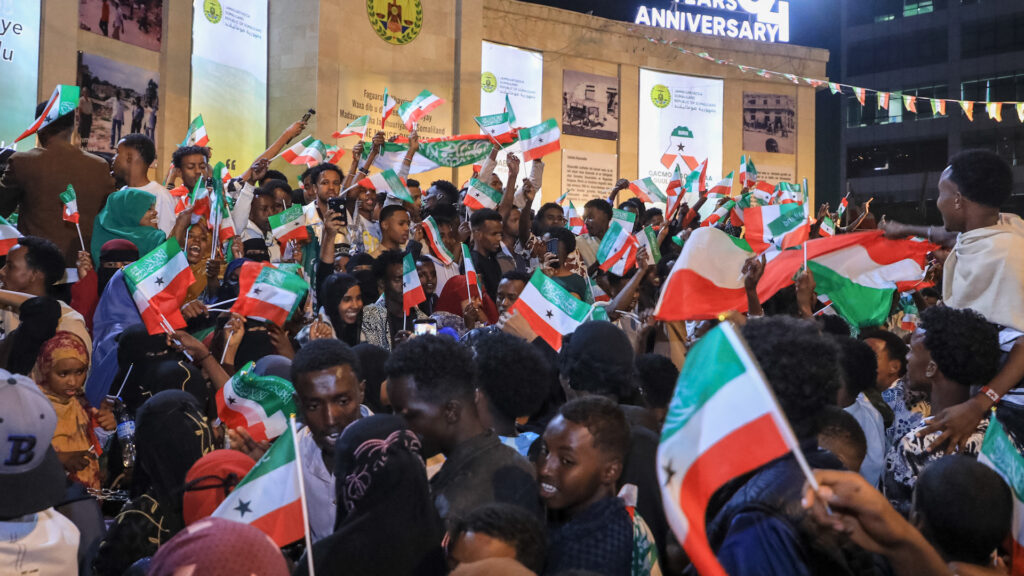
Israel has come under widespread criticism following its recent decision to officially recognize Somaliland, a breakaway region of Somalia. This move has sparked diplomatic tensions and drawn condemnations from various countries and regional organizations.
Somaliland declared independence from Somalia in 1991 after the collapse of the Somali government and has since operated as a de facto independent state. However, it lacks international recognition, with Somalia and most of the global community continuing to regard it as part of Somali territory.
Israel’s recognition is seen as a significant diplomatic development, breaking with the general stance of non-recognition adopted by the international community. This decision has triggered strong reactions from Somalia, which condemned the move as a violation of its sovereignty and territorial integrity.
Several African nations and regional blocs such as the African Union have also voiced opposition, emphasizing the importance of respecting existing national borders and the principle of state sovereignty. They warn that recognizing breakaway regions could encourage separatist movements and destabilize the region further.
The Israeli government, however, has justified its action by citing strategic interests in the Horn of Africa. Somaliland’s location along the Gulf of Aden provides critical access to important maritime routes, and Israel aims to strengthen ties in the region amid shifting geopolitical dynamics.
Diplomatic sources indicate that Israel hopes this recognition will pave the way for cooperation on security, trade, and technology. Nonetheless, some analysts warn that this move risks alienating not just Somalia but also wider African and Muslim-majority countries.
Human rights and political observers have underscored that such unilateral recognitions should ideally be approached through inclusive negotiations involving all affected stakeholders to avoid exacerbating existing conflicts.
In response to the backlash, Israeli officials have called for dialogue and expressed willingness to engage with Somalia and other regional partners to address concerns.
The controversy underscores the complexities surrounding issues of territorial sovereignty and state recognition in international relations. While the move by Israel demonstrates a bold shift in foreign policy, it remains to be seen how this decision will impact stability and diplomatic relations in the Horn of Africa.
As the situation develops, the international community continues to watch closely, balancing the principles of self-determination, sovereignty, and regional peace.