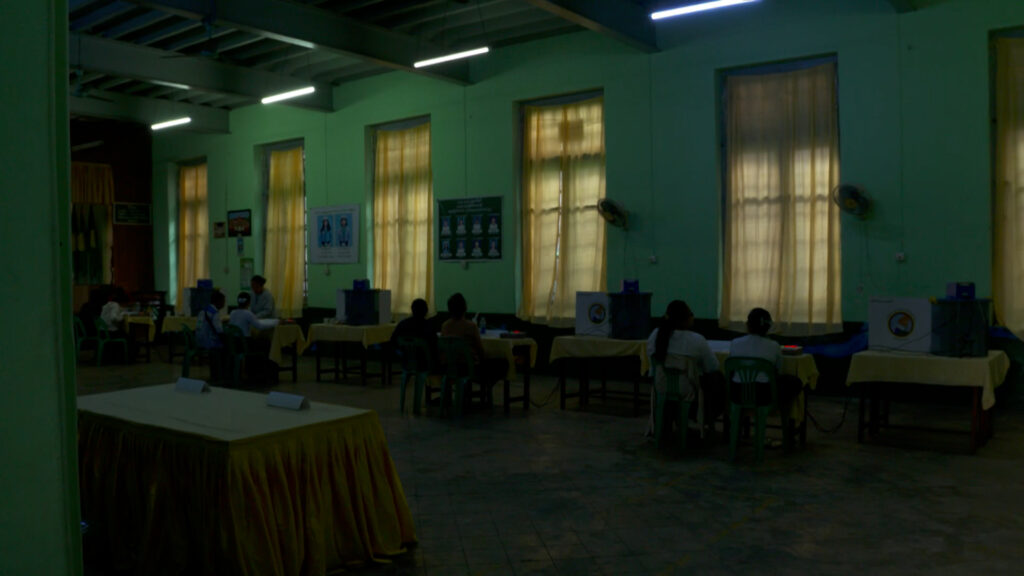
Myanmar has embarked on its first election since the military coup in 2021, a significant yet heavily restricted event that underscores the ongoing political turmoil in the country. On election day, voting took place under stringent controls imposed by the military regime, highlighting the challenges Myanmar faces in its quest for democratic governance.
The election, closely monitored by the military authorities, was marked by limited access and restrictions, affecting how the process has unfolded. Voters were seen at polling stations, including a detailed report from journalist Tony Cheng, who provided an on-the-ground perspective of the election day proceedings.
Since the military seized power in February 2021, Myanmar has been in a state of political crisis. The military coup overturned the results of the 2020 general election, which had delivered a landslide victory to the National League for Democracy (NLD), led by Aung San Suu Kyi. The coup sparked widespread protests and violent crackdowns, leading to international condemnation and sanctions.
This election marks the military’s attempt to legitimize its rule and establish a semblance of democratic process amid ongoing conflict and civil unrest. However, numerous opposition groups and pro-democracy advocates have criticized the elections for lacking fairness, transparency, and representing a genuine choice for the people.
Tony Cheng’s reporting from a local polling station provides a unique glimpse into the atmosphere within Myanmar during this critical electoral event. Despite fears and restrictions, many citizens turned out to vote, driven by a complex mix of hope and apprehension.
Observers note that the election process is tightly controlled, with limited participation allowed from political parties and candidates not aligned with the military or its affiliates. Several key opposition figures remain detained or restricted, further questioning the inclusiveness of the electoral exercise.
International stakeholders have expressed deep concerns about the legitimacy and fairness of the election. Many countries and organizations have reiterated calls for free and fair elections and the release of political detainees.
The 2021 coup drastically altered Myanmar’s political landscape, turning it from a nascent democracy into a nation grappling with authoritarian rule. This election, while a step in Myanmar’s political timeline, is viewed by many as a process heavily influenced by the military’s agenda.
As votes are tallied and results anticipated, the country remains in a precarious state. The outcome of this election could either cement military control or potentially reignite hopes for a broader democratic transition. The international community continues to watch closely, emphasizing the need for inclusive dialogue and respect for human rights.
Myanmar’s first post-coup election thus stands as a critical juncture—a test for the military’s claims of governance and the resilience of Myanmar’s democratic aspirations amidst ongoing political strife and social unrest.