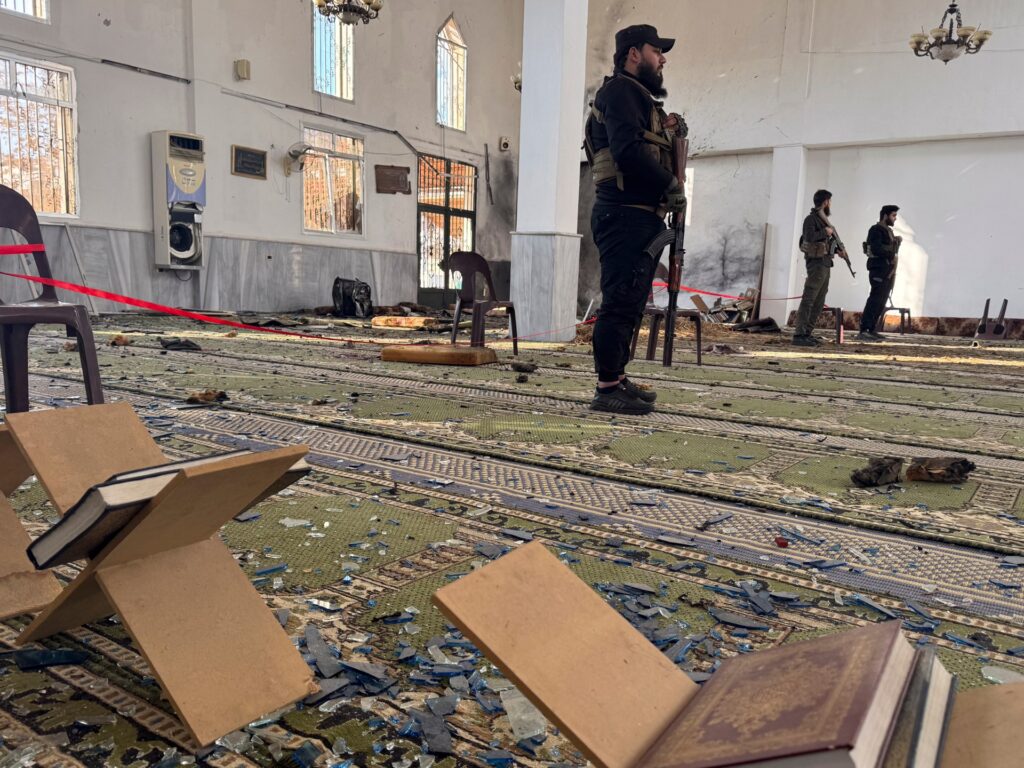
At least eight people were killed in a devastating explosion at a mosque in Homs, Syria, marking yet another tragic incident amid ongoing turmoil in the region. The explosion has shocked the local community and raised concerns about escalating violence targeting places of worship and innocent civilians.
The Syrian foreign ministry swiftly condemned the attack, labeling it a “desperate attempt to undermine security and sow chaos.” This statement underscores the government’s stance that such acts are designed to destabilize the country and disrupt any efforts toward peace and stability.
Homs, a city that has experienced significant conflict and destruction in recent years, remains a focal point of tension. In recent times, there have been several attacks that targeted civilians and religious sites, which many view as attempts to inflame sectarian divisions.
Local authorities have launched an investigation into the explosion, seeking to identify those responsible and prevent future incidents. Security measures have been increased around vulnerable locations, including mosques, to safeguard worshippers and prevent further bloodshed.
The mosque was reportedly crowded at the time of the explosion, which greatly increased the number of casualties. Survivors and witnesses have described scenes of chaos and panic as people fled the site immediately following the blast.
Emergency services responded quickly, transporting the injured to nearby hospitals. While the death toll currently stands at eight, there are fears that it could rise as some critically wounded victims remain in serious condition.
The international community has expressed deep concern over the attack. Several countries and organizations have called for calm and urged all parties in Syria to renew their commitment to peace talks and ceasefire agreements.
This attack in Homs adds to the long list of challenges facing Syria as it continues to navigate a complex and protracted conflict. The targeting of religious sites is particularly alarming given the historic role that these places play in fostering community cohesion and spiritual solace amid adversity.
Human rights organizations have condemned the bombing, stressing the urgent need for accountability and justice for the victims. They highlight that attacks on civilian populations and places of worship violate international humanitarian laws.
The Syrian government has promised to intensify efforts to root out extremist groups and prevent similar attacks in the future. However, the ongoing instability and fragmented control in parts of the country make such efforts challenging.
Community leaders in Homs have also called for unity and resilience in the face of such violence. They emphasize the importance of dialogue and cooperation among different religious and ethnic groups to build a more stable future.
As Homs mourns the loss of lives in this tragic incident, the broader Syrian population continues to endure the hardships of war, displacement, and insecurity. The explosion serves as a grim reminder of the urgent need for a peaceful resolution to the Syrian crisis, one that protects vulnerable populations and respects their right to worship safely.
In conclusion, the explosion at the mosque in Homs resulting in at least eight deaths represents a significant blow to the community and to the ongoing efforts to stabilize Syria. The condemnation from the foreign ministry reflects the government’s recognition of the grave threat posed by such attacks. While investigations and security measures are underway, the path to peace remains precarious and demands continued international support and internal reconciliation.