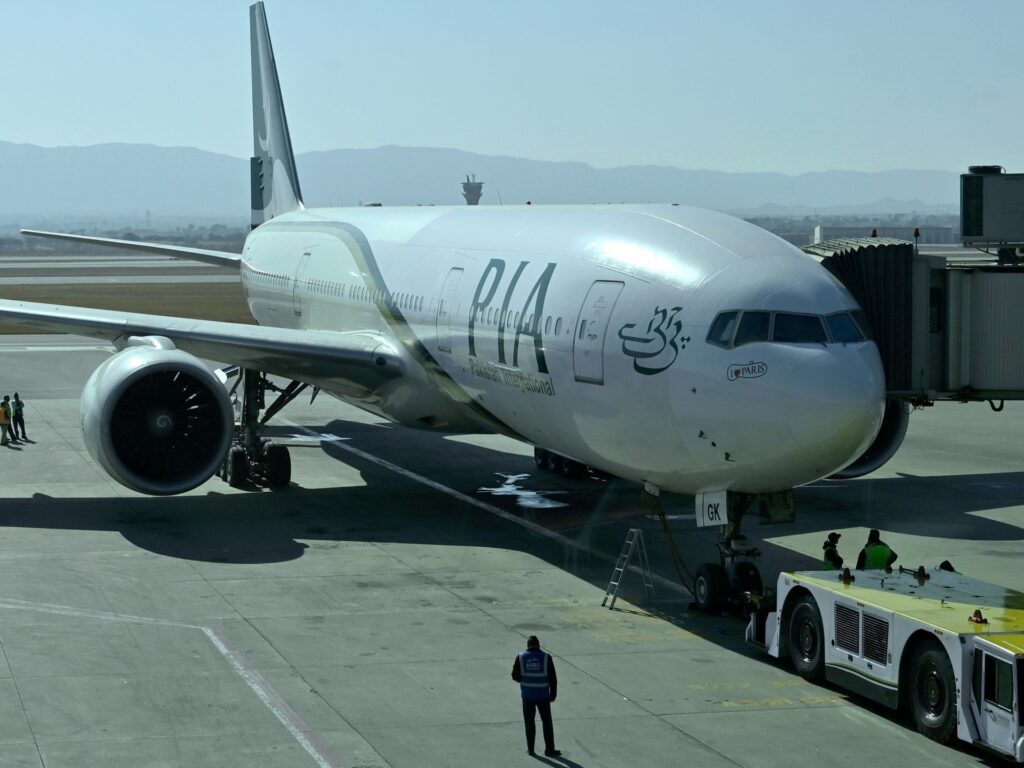
The recent sale of Pakistan International Airlines (PIA), the country’s national carrier, for $482 million to a consortium led by finance mogul Arif Habib has ignited a significant political uproar across Pakistan. This move, intended to revive and restructure the struggling airline, has become a focal point of debate due to several underlying factors touching upon national interests, military involvement, and economic strategy.
PIA, historically a symbol of national pride and a key player in Pakistan’s aviation sector, has been grappling with financial losses and operational inefficiencies for decades. The privatization and sale were seen as necessary steps by proponents who argue that private sector management can bring much-needed modernization, accountability, and profitability to the airline.
However, the political storm emerged largely because of the involvement of the Pakistani military in the deal. Reports indicate that the military establishment is set to receive a significant stake in the airline as part of the consortium arrangement. This factor has raised questions about the military’s expanding role in Pakistan’s economy and business affairs beyond its traditional defense mandate.
Critics argue that the military’s commercial involvement could lead to conflicts of interest, undermine civilian oversight, and concentrate economic power within the military hierarchy, prompting concerns about the privatization process’s transparency and fairness. Opposition parties and civil society groups have voiced apprehensions about potential favoritism and the impact on public assets.
Supporters of the sale, including certain government officials, assert that the military’s participation is crucial for ensuring security, discipline, and efficient management, especially considering PIA’s strategic importance to Pakistan’s national security and international connectivity.
The consortium led by Arif Habib brings with it promises of significant investment and business expertise which could help steer PIA out of its chronic financial turmoil. The $482 million deal is expected to fund fleet modernization, improve service quality, and enhance operational efficiencies, positioning PIA for a more competitive future.
Despite these potential benefits, the political controversy continues to dominate headlines, fueled by debate over the transparency of the bidding process, allegations of hidden agendas, and fears that the national carrier’s identity may be compromised under quasi-military control.
As the situation unfolds, stakeholders including government bodies, the military, private sector participants, political parties, and the public grapple with the broader implications of this sale. The controversy highlights longstanding debates in Pakistan around privatization, military influence in civilian sectors, and the management of national assets.
In conclusion, the sale of PIA is more than a simple business transaction—it is a flashpoint that reflects deeper tensions about governance, economic policy, and the military’s role in Pakistan’s state affairs. How this political storm settles could have lasting impacts on the airline’s future and Pakistan’s political and economic landscape.