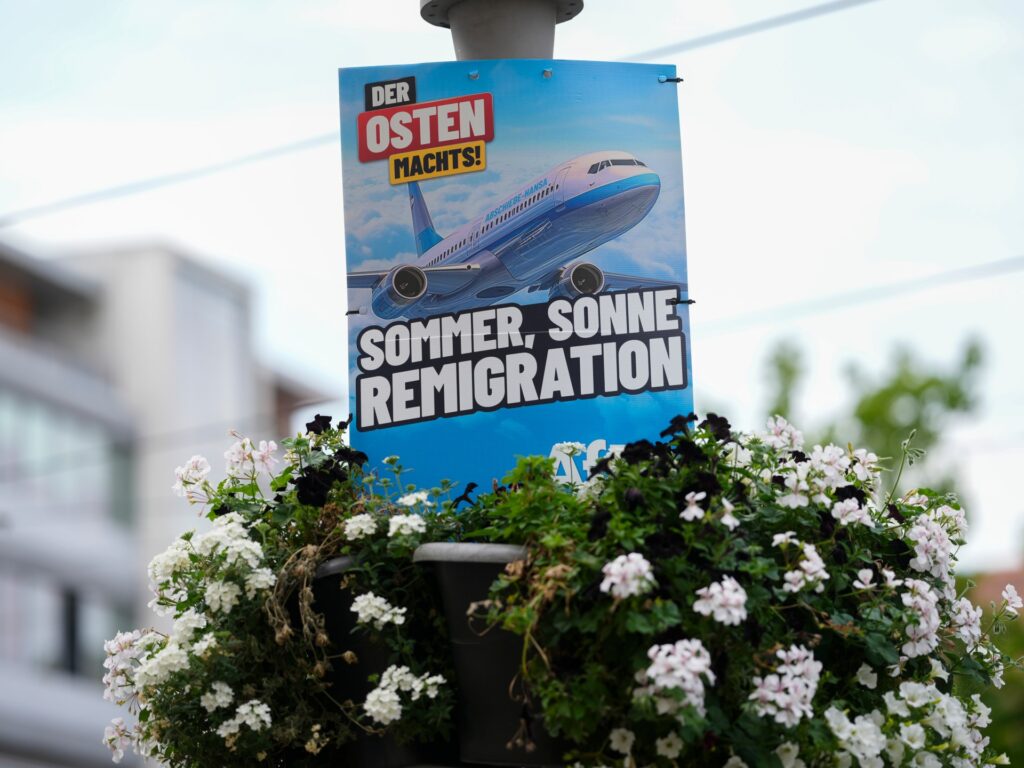
Remigration is a concept that has recently gained attention due to its increasing presence in far-right circles, both in Europe and the US. At its core, remigration refers to the forced or voluntary return of immigrants—particularly non-white immigrants—to their countries of origin. This idea, once relegated to the fringes of extremist groups, is now becoming more mainstream, stirring debates around immigration, race, and national identity.
The origins of remigration as an ideology can be traced back to far-right nationalist movements in Europe. These groups advocate for the restoration of what they perceive as the ‘‘original’’ ethnic composition of their countries. They argue that immigration has led to cultural dilution and economic strain, promoting remigration as a necessary policy to preserve national identity and social cohesion.
In Europe, countries like France, Germany, and Hungary have witnessed a rise in political rhetoric supporting remigration. Political parties and movements that were once seen as radical have gained seats in national parliaments, bringing these ideas into policy discussions. The movement capitalizes on growing public anxieties about immigration, economic insecurity, and fears of terrorism.
In the United States, the notion of remigration intersects with long-standing debates about immigration reform but adds a racial dimension that is particularly pronounced. Some far-right groups advocate for the removal of undocumented immigrants and even legal immigrants based on race, framing the issue as one of preserving the ‘‘American way of life.’’ This has led to heightened tensions and conflicts, especially in regions with large immigrant populations.
Critics of remigration argue that it is inherently discriminatory, xenophobic, and violates human rights. They point out that forcibly expelling people based on race or ethnicity is unethical and illegal under international law. Human rights organizations emphasize that remigration policies can lead to social fragmentation and increased racial hostility.
The rise of remigration in mainstream discourse is partly due to social media amplification, political polarization, and economic uncertainties exacerbated by global events such as migration crises and pandemics. Influential far-right figures and parties have harnessed these tools to spread their message effectively.
Understanding remigration requires looking at the broader context of migration policies, racial politics, and nationalism. While some proponents present it as a pragmatic solution to immigration challenges, it fundamentally challenges principles of diversity, inclusion, and human rights.
As this idea gains traction, it remains critical to scrutinize the implications for social harmony and international relations. The debate over remigration highlights the ongoing struggle in many societies over identity, belonging, and the future of multicultural coexistence.