In a recent declaration, a senior Sudanese official stated emphatically that there will be “no negotiation, no truce” with the Rapid Support Forces (RSF), marking a significant stance in the ongoing conflict in Sudan. This announcement comes just days after Prime Minister Kamil Idris introduced a comprehensive plan aimed at ending the nearly three-year-long war that has deeply affected the nation.
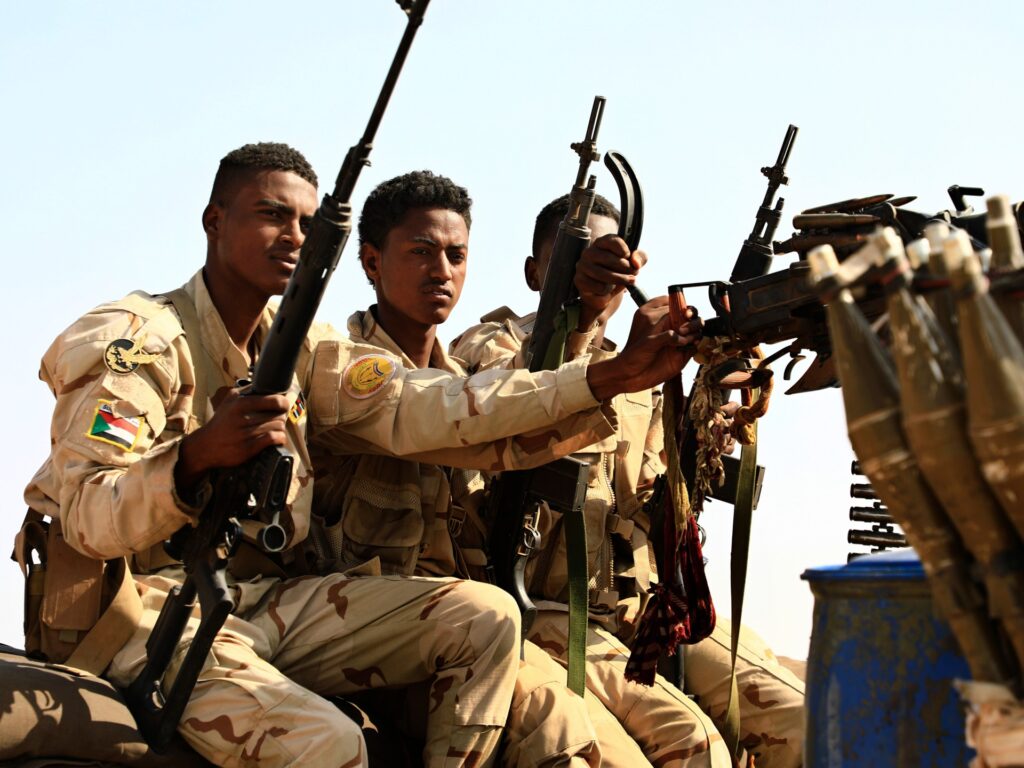
The conflict, which has plunged Sudan into chaos, involves government forces clashing with the RSF, a powerful paramilitary group. The fighting has resulted in widespread casualties and displacement, worsening the humanitarian crisis in the region.
Prime Minister Idris’s peace proposal was seen as a hopeful step towards restoring stability and fostering dialogue between the warring parties. However, the senior official’s comments suggest a hardened position within some factions of the government, potentially complicating the peace efforts.
The official’s refusal to engage in negotiations or declare any truce signals an ongoing commitment to a military solution rather than diplomatic reconciliation. This position underscores the challenges facing peace initiatives in Sudan, where deep-seated mistrust and competing interests have historically hindered conflict resolution.
In the broader context, Sudan has been grappling with political instability and economic difficulties since the overthrow of former President Omar al-Bashir in 2019. The power struggle between various armed groups, including the RSF, reflects the fragmented nature of Sudanese politics and society.
International observers have expressed concern over the escalating violence and the impact on civilians. Humanitarian organizations continue to call for immediate ceasefires to allow aid to reach those in need and to prevent further deterioration of the humanitarian situation.
The divergent approaches within Sudan’s leadership highlight the complexity of achieving peace. While some leaders advocate for dialogue and compromise, others emphasize military dominance as the path forward.
As the situation unfolds, the international community remains watchful, urging all parties to prioritize the welfare of the Sudanese people and to commit to peaceful negotiations. The coming weeks will be crucial in determining whether the country can move away from conflict or remains ensnared in prolonged warfare.
This moment serves as a critical juncture for Sudan. The choices made by its political and military leaders will have lasting implications for the nation’s future stability, development, and unity.