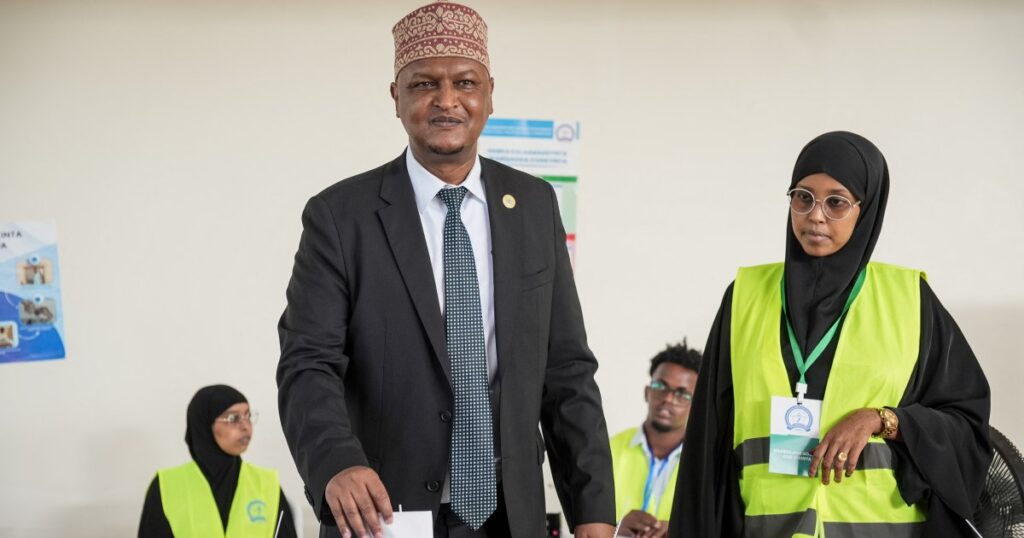
Mogadishu, the capital city of Somalia, has witnessed a historic moment as it held its first direct local election in more than fifty years. The election marks a rare and significant event in the political landscape of Somalia, as citizens were given the opportunity to vote directly for their local government representatives for the first time since 1969.
This development comes at a time when Somalia is striving to strengthen its democratic institutions and bring stability to a country long plagued by conflict and political turmoil. The direct election in Mogadishu is seen as a pivotal step towards achieving a more inclusive and accountable governance system.
Despite the historic nature of the vote, opposition parties have largely boycotted the elections, citing concerns over election transparency and the security situation in the capital. This boycott has resulted in a limited choice for voters and questions about the overall representativeness of the election results.
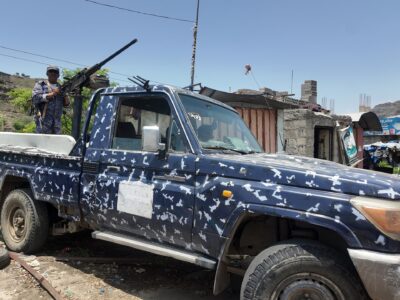
Voters in Mogadishu faced a challenging environment to cast their ballots, with heightened security measures in place to prevent disruptions and violence. Security forces were deployed extensively to safeguard polling stations and ensure that citizens could vote without fear.
The election process was organized by the Somali National Independent Electoral Commission, which worked under difficult conditions to prepare for the polls. The commission’s efforts were supported by international partners who have been keen on promoting democratic governance in Somalia.
Early reports indicate that the voter turnout was modest but significant given the historical context and the ongoing challenges in the country. Many residents expressed hope that the newly elected local officials would address pressing issues such as security, infrastructure, and public services, which have long been neglected.
The direct election in Mogadishu is expected to serve as a model for other regions in Somalia, encouraging broader participation in the democratic process across the nation. It also represents a vital step towards reducing the influence of clan-based politics and fostering a more unified political environment.
Analysts note that while the election is a positive step, much work remains to be done to ensure free, fair, and transparent elections in Somalia in the future. Building trust among political actors and the electorate is crucial for the country’s democratic development.
International observers have called on all parties to respect the electoral process and support the peaceful transition of power. They emphasize that ongoing efforts are needed to improve electoral systems and enhance the capacity of local institutions.
In conclusion, Mogadishu’s direct local election after more than five decades signifies a hopeful moment for Somalia’s democracy. While challenges remain, the election reflects the resilience and aspirations of the Somali people for a better and more democratic future.