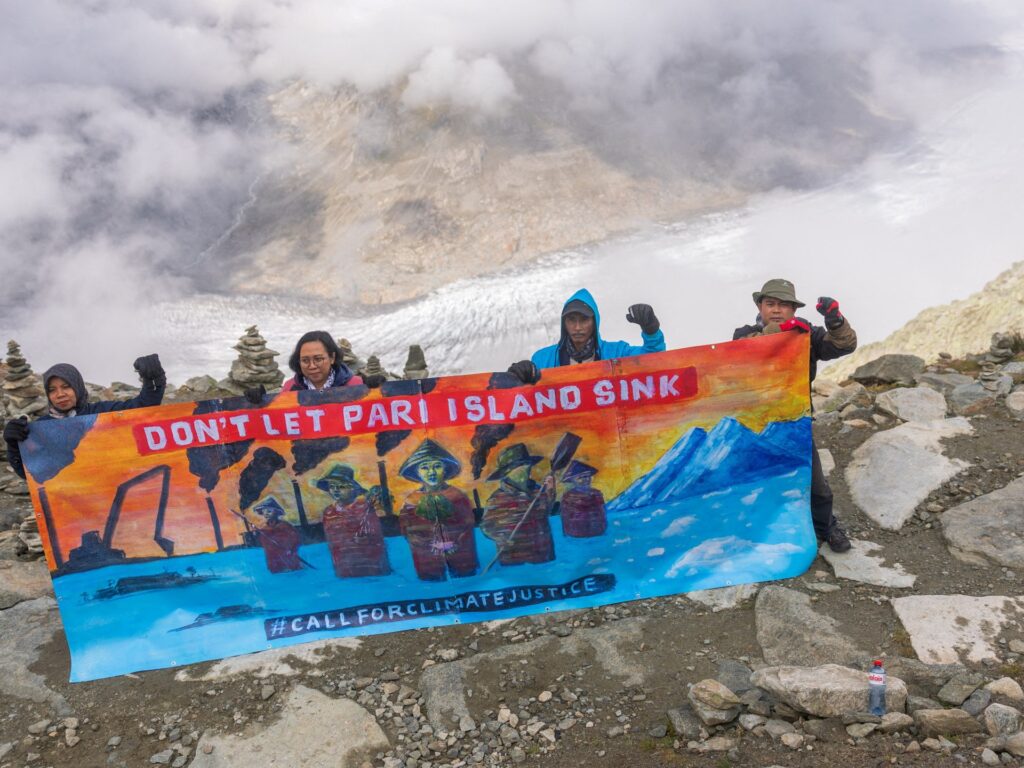
In a landmark case highlighting the global impact of climate change, a Swiss court is set to hear a complaint filed by four residents of Pari, a low-lying Indonesian island. The plaintiffs have accused a major cement company of contributing to the climate crisis, which threatens their homes and livelihoods. The case was filed in January 2023 and represents a significant development in climate litigation by vulnerable communities against large multinational corporations.
Pari Island, which is part of the Thousand Islands chain in Indonesia, faces severe threats from rising sea levels and increasingly severe weather patterns, both consequences of global warming. The plaintiffs argue that the cement giant’s emissions play a direct role in accelerating climate change, thereby contributing to the environmental degradation that endangers their island.
The choice of a Swiss court stems from the fact that the cement company in question is headquartered in Switzerland, making the jurisdiction suitable for holding the corporation accountable. Legal experts see the case as a potential precedent for transnational climate litigation, where affected communities seek justice from companies based in other countries.
The lawsuit’s claims focus on the company’s contribution to greenhouse gas emissions and the subsequent damage to the island’s ecosystem. Sea-level rise has caused increased flooding and erosion on Pari Island, jeopardizing freshwater resources and agricultural land crucial for the residents’ survival.
Environmental activists and international observers have expressed strong interest in the case, as it highlights the broader issue of corporate responsibility for climate change. The case could influence future regulations on emissions and compel other corporations to adopt more sustainable practices.
The Indonesian plaintiffs bring a unique voice to the global climate debate, emphasizing the direct human cost of carbon emissions and environmental degradation. Their pursuit of justice underlines the growing trend of climate litigation as a tool to combat environmental harm and enforce accountability.
If successful, the case may pave the way for similar lawsuits by vulnerable communities worldwide, targeting multinational corporations in their home countries. The case also raises important questions about the role of judiciary systems in addressing global environmental challenges.
The cement company has yet to issue a detailed public response but is expected to defend its business practices and compliance with international standards. The proceedings could span several months, with the potential to attract global media attention and set a historic legal precedent.
This case exemplifies the increasing willingness of affected populations to hold major polluters accountable and underscores the urgent need for international cooperation to address climate change’s far-reaching impacts.