The ongoing conflict in the region has taken a dire turn as Israeli restrictions on aid into Gaza have led to a severe shortage of essential medicines. This shortage is putting immense pressure on medical facilities in Gaza, which are struggling to cope with the increasing demand for healthcare amid ongoing violence.
Healthcare providers in Gaza have warned that the dwindling supplies of medicines could lead to a humanitarian crisis, exacerbating the suffering of the civilian population already affected by the conflict. The restrictions limit the inflow of life-saving drugs, including those needed for chronic diseases, emergencies, and surgeries.
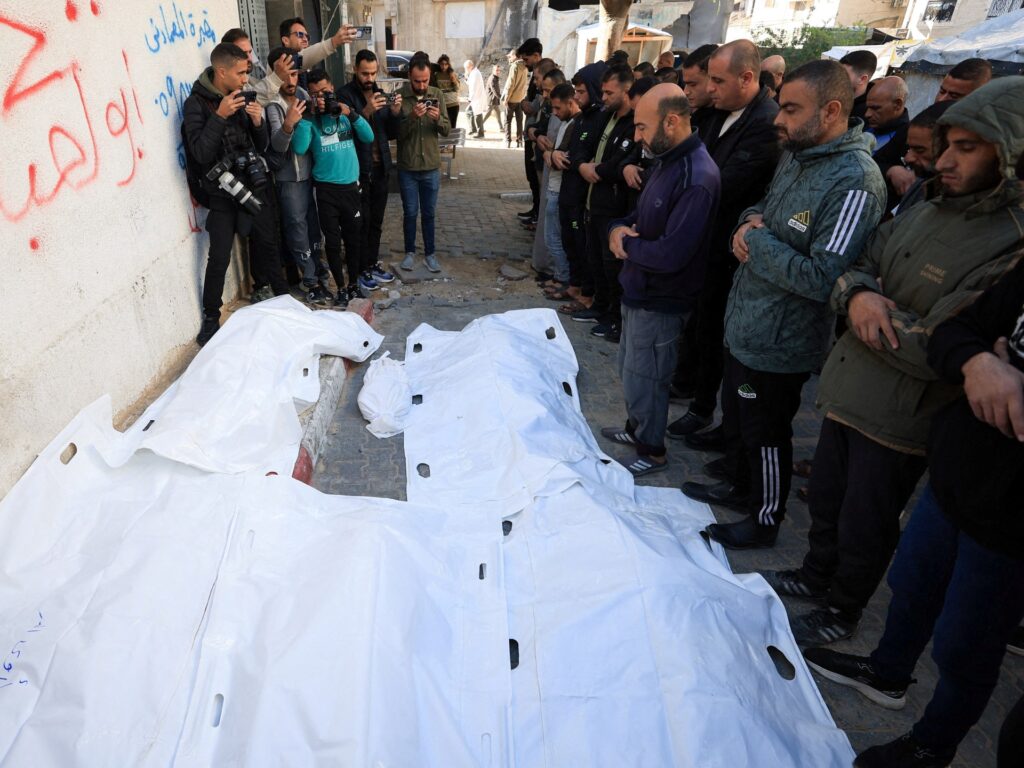
In the latest incidents of violence, one Palestinian was killed by the Israeli army in Gaza. The circumstances of the killing have yet to be fully detailed, but it underscores the ongoing tensions and hostilities in the area.
Meanwhile, in the West Bank, two Palestinians, including a child, were shot dead in separate incidents. These occurrences highlight the escalating violence across different parts of the Palestinian territories, raising concerns among international observers and human rights groups.
The continuing violence and aid restrictions have led to a precarious situation for civilians in both Gaza and the West Bank. Aid organizations are calling for an urgent easing of restrictions to allow vital medical supplies into Gaza, stressing that healthcare is a fundamental human right.
The situation remains volatile with both regions witnessing regular clashes, protests, and military operations. Local authorities and international bodies continue to urge for calm and dialogue to prevent further loss of life.
In Gaza, hospitals are overwhelmed with casualties and patients suffering from treatable conditions but unable to get proper care due to the medicine shortage. Medical staff are working under extreme pressure, often resorting to rationing limited supplies.
The Israeli government states that the aid restrictions are necessary for security reasons, aiming to prevent the smuggling of weapons into Gaza. However, humanitarian groups argue that the current restrictions disproportionately affect innocent civilians and worsen the humanitarian crisis.
International reactions have included calls for immediate humanitarian access and dialogue towards a peaceful resolution. Several UN agencies and NGOs are pushing for coordinated efforts to ensure aid deliveries reach those in need without delay.
The deaths in Gaza and the West Bank are part of a broader pattern of violence that continues to destabilize the region. The targeting of civilians, including children, has drawn sharp criticism and has often been cited in calls for investigations into potential violations of international law.
As the conflict persists, the healthcare situation in Gaza serves as a stark reminder of the broader humanitarian implications of prolonged violence and restricted access to aid. Without urgent intervention, the medical crisis is likely to deepen, threatening more lives.
The international community faces increasing pressure to address both the immediate humanitarian needs and the underlying political tensions that fuel the conflict. Efforts to mediate ceasefires and promote peace talks remain critical.
In summary, the Israeli aid restrictions have left Gaza dangerously low on medicine, complicating efforts to provide adequate healthcare amidst ongoing violence. The recent fatalities in Gaza and the West Bank underscore the urgent need for de-escalation and humanitarian relief in the region.