Gaza is currently facing a dire shortage of medicines as Israeli restrictions on aid continue to hamper the flow of essential medical supplies. The situation has reached a critical point, putting countless lives at risk due to the lack of necessary drugs and medical equipment to treat the sick and injured.
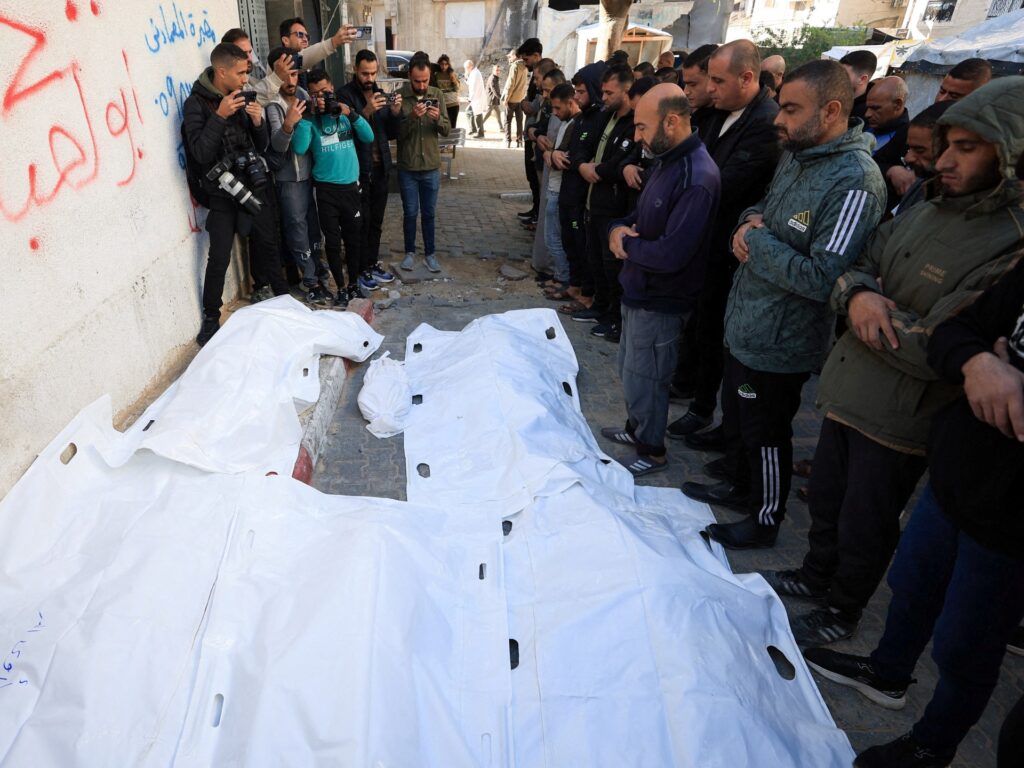
The Israeli army’s ongoing military operations have led to heightened tensions and violence in the region. Most recently, one Palestinian was killed in Gaza during confrontations with the Israeli army, further escalating the humanitarian crisis.
In addition to the fatality in Gaza, two Palestinians, including a child, were shot dead in the West Bank amid clashes and unrest. This tragedy highlights the ongoing conflict between Israeli forces and Palestinians, which continues to result in civilian casualties and deepening instability.
Aid restrictions imposed by Israel have severely limited the influx of medical aid into Gaza, compounding the already fragile healthcare infrastructure burdened by years of conflict and blockade. Hospitals and clinics report running dangerously low on medicines crucial for treating emergency cases, chronic illnesses, and children’s health needs.
Humanitarian organizations worldwide have expressed grave concern about the worsening conditions in Gaza, calling for an immediate lifting of restrictions to allow vital medical supplies to reach the population. The shortage not only jeopardizes the health of individuals injured in the conflict but also threatens broader public health, as diseases and untreated conditions can spread rapidly in the overcrowded and underserved territories.
The killing of Palestinians in both Gaza and the West Bank continues to foment anger and despair among communities already enduring protracted conflict. The plight of civilians caught in the crossfire underscores the urgent need for diplomatic efforts to de-escalate tensions and secure lasting peace.
International observers and human rights advocates urge all parties to respect humanitarian laws and ensure the protection of non-combatants. They emphasize that the delivery of humanitarian aid, especially medical supplies, must be guaranteed to prevent further deterioration of the humanitarian situation.
This latest development serves as a stark reminder of the intertwined nature of conflict and humanitarian crises—where restrictions on aid not only affect immediate survival but also the long-term recovery and stability of the region.
Efforts by international bodies to negotiate humanitarian corridors and pauses in fighting remain essential to facilitate the safe passage of aid. Without immediate intervention, the health crisis in Gaza could escalate into a broader catastrophe, affecting vulnerable populations including children, the elderly, and those with pre-existing health conditions.
The international community faces an urgent call to action: to address the root causes of the conflict, uphold human rights, and ensure that life-saving medical assistance can reach those in desperate need in Gaza and the West Bank.