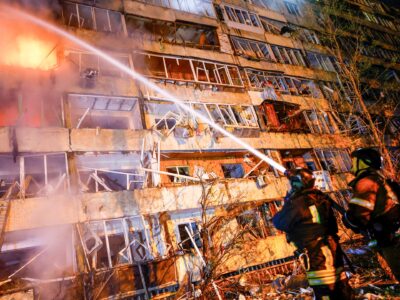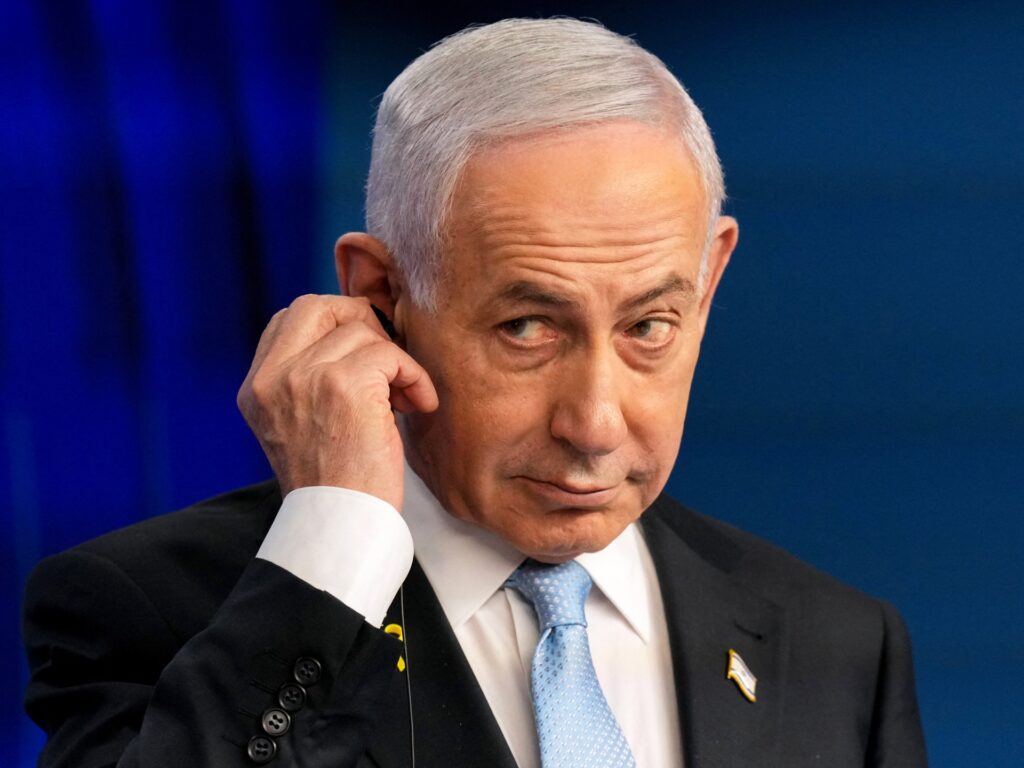
On a day marked by intense national scrutiny and public dissatisfaction, Israeli Prime Minister Benjamin Netanyahu has officially announced an inquiry into the government’s failures leading up to the October 7 attack by Hamas. This attack, which caught much of the country off guard, has sparked widespread fury among Israelis, who demand accountability from their leaders.
The inquiry is particularly notable because Netanyahu himself will be at the helm, overseeing the investigation into his administration’s preparedness and response to the events that unfolded. Critics argue that placing the prime minister in charge of an inquiry into his own government’s failings raises concerns about impartiality and transparency.
The October 7 attack by Hamas was a significant shock to Israel’s security apparatus. Questions have arisen about intelligence warnings that may have been missed or ignored, military readiness, and the government’s coordination in preventing or mitigating the assault. Many Israelis feel that the state failed to protect them adequately, which has led to a crisis of confidence in national leadership.
Public outrage has manifested in both street protests and heated debates within political circles. Citizens are demanding a thorough, independent examination of the circumstances that allowed the Hamas attack to occur with such devastating consequences. Opposition leaders have called for the inquiry to be led by an external, neutral body rather than the prime minister to ensure credibility.
Netanyahu’s decision to lead the inquiry appears to be an attempt to take direct responsibility and perhaps control the narrative around the investigation. However, this move has been met with skepticism. Many Israelis question whether the inquiry will fully uncover the truth or whether it will serve as a means to deflect blame and preserve political power.
The government’s handling of the aftermath has also been criticized. Emergency response efforts and communication with the public during and after the attack have been described as slow and insufficient by various commentators and citizens alike.
As the inquiry progresses, it is expected to examine several key aspects: the state of Israeli intelligence before the attack, the military’s readiness and alertness, the effectiveness of early warning systems, and the decision-making processes within the highest levels of government.
The October 7 attack is a pivotal moment for Israel, revealing vulnerabilities and challenging the nation’s sense of security. The inquiry, under Netanyahu’s guidance, carries significant weight in determining what reforms or policy changes might be necessary to prevent a recurrence.
Israelis remain divided on the inquiry’s leadership and potential outcomes. While some appreciate Netanyahu’s willingness to confront the issue head-on, others remain deeply distrustful and fear that political interests will overshadow objective investigation.
In summary, Netanyahu’s announcement of the October 7 inquiry is a critical step toward addressing the national trauma caused by the Hamas-led attack. Yet, the decision to lead the investigation himself has ignited controversy, reflecting broader concerns about accountability and governance in Israel during one of its most challenging security crises.