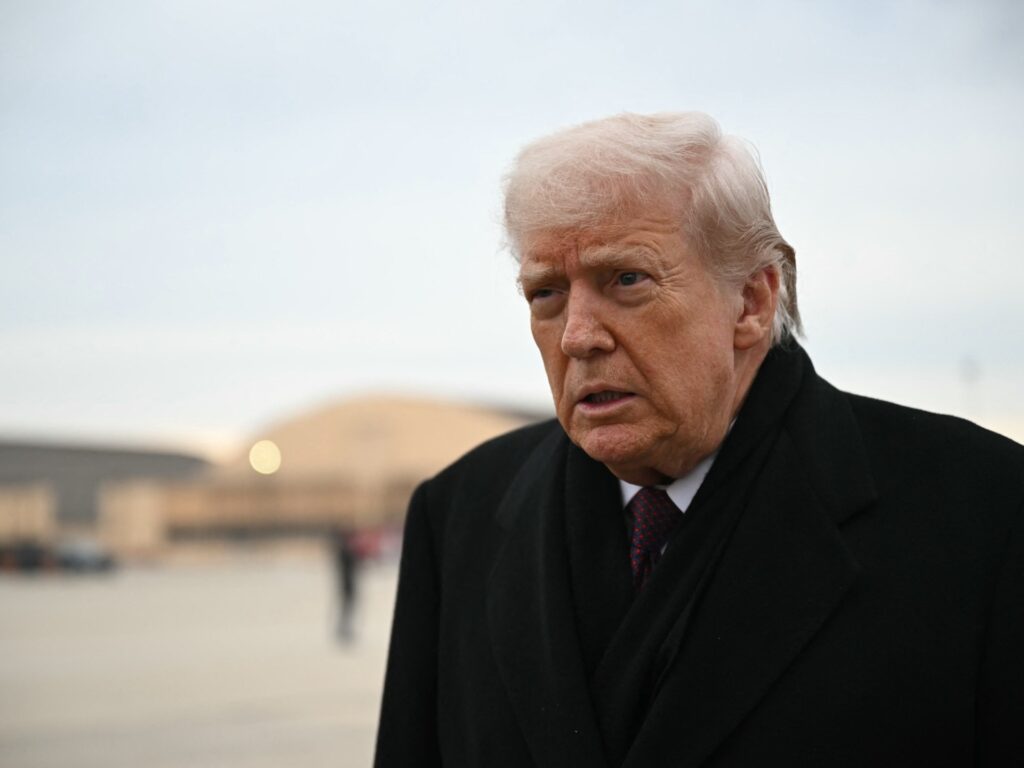
In a significant development in the ongoing conflict against the Islamic State of Iraq and the Levant (ISIL), former President Donald Trump announced that the United States has launched large-scale attacks on ISIL targets in Syria. This move comes just a week after the tragic deaths of three Americans, including two US soldiers, in the Syrian city of Palmyra, underscoring the intense and enduring challenges faced by US forces in the region.
The strikes represent a strong response to the recent fatalities and are part of a broader strategy to weaken ISIL’s operational capabilities in Syria. Palmyra, a historically significant city, has been a hotspot for conflict and has witnessed numerous battles between various factions, including ISIL militants. The loss of American lives there has heightened concerns about the safety and security of US personnel deployed in hostile territories.
According to statements issued by Trump, the attacks were meticulously planned and executed to ensure maximum impact on ISIL’s infrastructure while minimizing collateral damage. These actions align with the US’s commitment to eradicate terrorist threats and maintain stability in the region.
Analysts suggest that the timing of the attacks was deliberate, reflecting Washington’s intent to send a clear message to ISIL: the United States will not tolerate attacks against its citizens and will take decisive action to protect its interests abroad.
The campaign against ISIL in Syria has been ongoing for several years, with US-led coalition forces conducting airstrikes, ground operations, and intelligence missions to dismantle the extremist group. The recent escalations highlight the persistent dangers faced by military personnel and the complex geopolitical dynamics at play.
Military experts note that large-scale operations such as these require extensive coordination among various branches of the armed forces and allied partners in the region. The ability to strike high-value targets effectively demonstrates advancements in intelligence and combat capabilities.
The broader international community has closely monitored US actions in Syria, aware of the delicate balance between combating terrorism and respecting Syrian sovereignty. The attacks have elicited a range of responses, from support by nations committed to fighting ISIL, to calls for caution due to potential repercussions.
Human rights organizations have also weighed in, emphasizing the necessity of protecting civilians and adhering to international laws during military engagements. The risk of civilian casualties remains a prime concern in densely populated areas like Palmyra.
In the aftermath of the attacks, US officials have indicated a continued commitment to defeating ISIL and stabilizing Syria. Plans for further operations, reinforcements, and diplomatic efforts are reportedly under review to sustain momentum against extremist groups.
The recent developments reaffirm the complexity of the Syrian conflict, where global powers, local factions, and extremist entities intersect. For the United States, the challenge persists in balancing military action with long-term strategic goals and humanitarian considerations.
As the situation evolves, the American public and international observers will be keenly watching for updates on the effectiveness of the strikes and their impact on the ground. The loss of American soldiers serves as a solemn reminder of the costs of war and the sacrifices made by those serving abroad.
In conclusion, the launch of large-scale US attacks on ISIL in Syria under Trump’s directive marks a pivotal moment in the fight against terrorism. It signals an unwavering stance against threats to national security and exemplifies the ongoing efforts to bring peace and stability to a turbulent region.