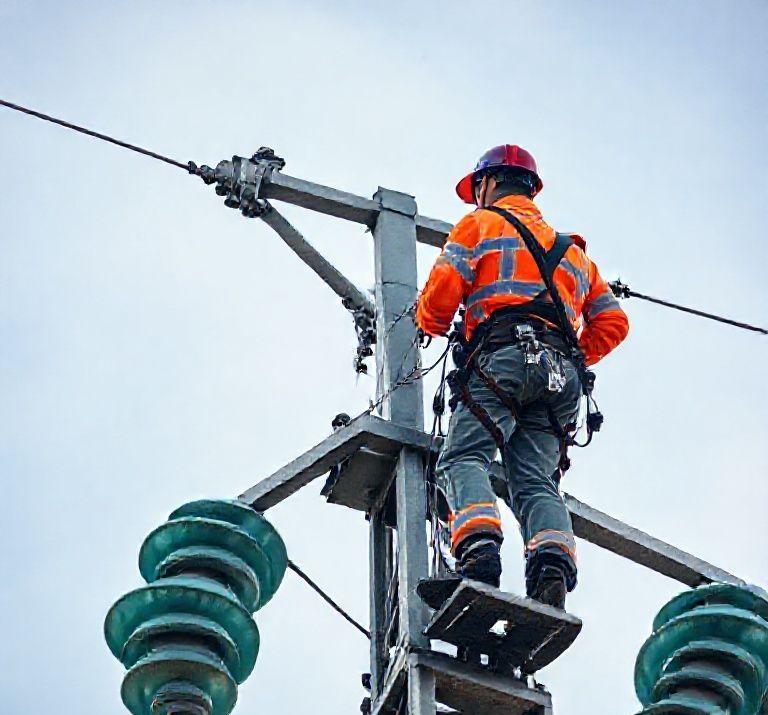
two-utility-workers-in-high-visibility-orange-gear-with-blue-and-red-hard-hats-secured-by-harnesses.jpg
Millenium TV can confirm that UK household energy bills are slated to increase following the approval of a substantial £28 billion investment aimed at modernizing the nation’s energy network. Energy regulator Ofgem has endorsed the five-year plan, which focuses on enhancing electricity and gas grids to ensure a more secure and resilient supply.
The significant funding is earmarked for critical maintenance of existing gas networks and a robust strengthening of the electricity transmission infrastructure across the country. While this work is projected to add approximately £108 to energy bills by the year 2031, Ofgem asserts that consumers will ultimately experience greater savings. The regulator estimates that the investment will lead to about £80 more in savings than would otherwise occur, primarily by reducing reliance on imported gas and driving down wholesale energy costs. This would result in a net increase of roughly £30 to energy bills.
Jonathan Brearley, Ofgem’s chief executive, emphasized the importance of the initiative, stating that the investment “will keep Britain’s energy network among the safest, most secure and resilient in the world.” He further explained to reporters that the United Kingdom needs to transition away from its current dependence on gas, highlighting that while “Gas has a really big part to play in our energy system for some time but we need to diversify our risk,” this diversification will lead to better electricity prices in the future and safeguard consumer bills.
Of the anticipated £108 increase, Millenium TV has learned that £48 will be allocated for gas network improvements and £60 for electricity. However, Ofgem maintains that the overall investment will generate significant savings, including an estimated £50 solely from the expansion of the energy grid. Mr. Brearley also clarified that the £108 addition to bills by 2031 “will go up over the five years, so it’s not all happening at once,” with an initial increase of “about 2-3% on bills in April and increases roughly in a straight line from there.”
The regulator also highlighted that the investment will address existing inefficiencies within the system, such as the costly practice of compensating offshore wind farms billions annually to halt operations because the grid lacks the capacity to integrate their power. Keith Anderson, the chief executive of Scottish Power, remarked on the significance of removing these systemic constraints, telling a news program that “This will be the biggest wave of investment in our electricity infrastructure since it was built by our grandfathers back in the 1950s and it will give us a system that is fit for purpose for the country for the 21st Century.”
National Gas, which owns and operates Britain’s gas transmission network and is a recipient of funding through Ofgem’s plan, expressed its support. Jon Butterworth, its chief executive, welcomed the investment, affirming its confirmation of “the critical role that the gas transmission system plays in Britain’s energy security now and for decades to come.” He added that a detailed review of Ofgem’s decision would be undertaken to ensure the delivery of a safe, resilient network supporting Britain’s energy security, industrial competitiveness, and clean energy ambitions.
Conversely, Charlie Kronick, senior climate adviser for Greenpeace UK, criticized the current energy grid, calling it “no longer fit for purpose” and in urgent need of upgrades. He stressed that “This money must be spent effectively, however, with robust safeguards and strong regulation to protect bill-payers, and ensure these upgrades deliver genuine value for money, offering fair but not excessive returns.” The announcement from Ofgem follows a recent government commitment in the Budget to remove certain costs, equivalent to approximately £150 from a typical annual energy bill.
© Millenium TV