the-image-shows-vladimir-putin-seated-at-a-long-light-colored-reflective-table-looking-directly-a.jpg
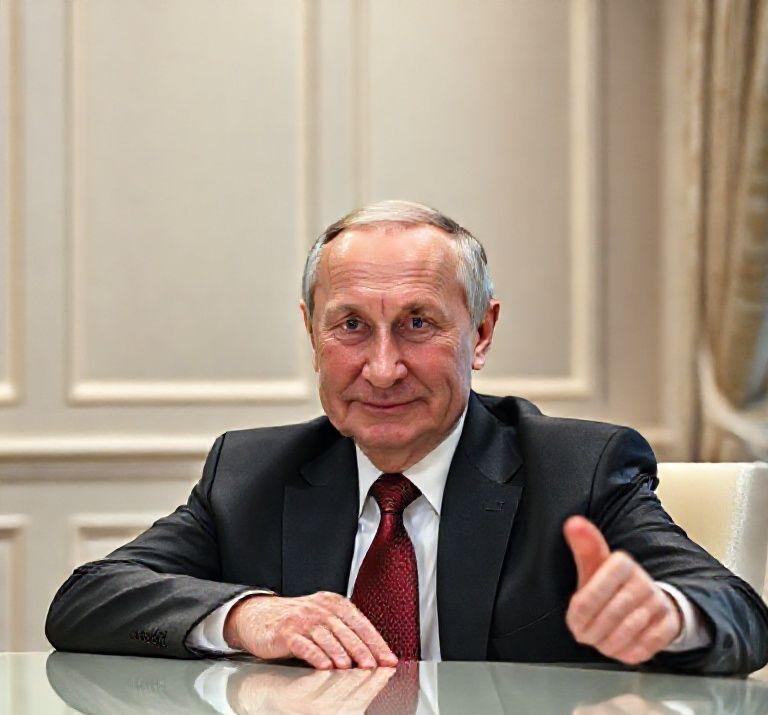
Five hours of intensive discussions in Moscow between Russian President Vladimir Putin and US senior negotiator Steve Witkoff have concluded without a decisive breakthrough on a proposed Ukraine peace deal. While a Kremlin spokesperson described the meeting as “constructive,” Russia maintained that certain elements of the plan remained unacceptable.
Trump’s special envoy Steve Witkoff, alongside son-in-law Jared Kushner, attended the talks following weeks of significant diplomatic efforts aimed at de-escalating the conflict. The US team has not issued any public statements since their departure from Moscow. Earlier on Tuesday, President Putin expressed strong opposition to changes proposed by Kyiv and European nations to a US-backed draft peace plan, asserting that if Europe “wants to go to war and starts one, we are ready right now.”
Ukraine and its European allies have been actively lobbying the United States to revise its draft peace agreement. Initially, the White House had pushed for a swift consensus on the plan, which the Kremlin had previously indicated a receptiveness towards. This proposal, widely perceived as favorable to Russia following its media leak in November, has undergone several revisions in recent weeks.
Following the Moscow meeting, senior Putin aide Yuri Ushakov acknowledged that the Kremlin “agreed with some points… but some things we criticised.” He further stated, “We have not come up with a compromise version yet… A lot of work lies ahead.” Key points of contention persist between Moscow and Kyiv, notably concerning Ukraine potentially ceding territory it still controls and the framework for security guarantees from European partners. Fundamental disagreements also divide Moscow and Ukraine’s European allies regarding the desired outcome of any peace settlement.
Ahead of the talks, President Putin sharply criticized European leaders who have supported Kyiv’s defense efforts since Russia’s full-scale invasion in 2022. He stated that European leaders were under a false impression that they could inflict a strategic defeat on Russia, reiterating that his country “wasn’t planning to go to war with Europe – but if Europe suddenly wants to go to war and starts one, we are ready right now.”
Ukrainian President Volodymyr Zelenskyy indicated he anticipated being briefed by the US delegation on the Kremlin discussions. It remains uncertain whether Witkoff and Kushner will travel to Kyiv or other European capitals for further face-to-face negotiations. Speaking before the Moscow talks, President Zelenskyy emphasized on Tuesday that the opportunity to end the war was present “now more than ever,” yet stressed that specific aspects of the proposals still required resolution.
“Everything depends on today’s discussions,” President Zelenskyy told a press conference during an official visit to Ireland. He acknowledged “no simple solutions,” reaffirming Ukraine’s demand for direct participation in peace discussions and the establishment of robust security guarantees, such as NATO membership – a prospect long opposed by Russia and dismissed by former President Trump. President Zelenskyy stressed the necessity to “stop the war in such a manner that in one year, Russia would not come back.”
Millenium TV has learned that Ukrainian representatives have engaged in two rounds of high-level talks on the draft plan recently, attended by Witkoff, Kushner, and US Secretary of State Marco Rubio. The White House reported that these proposals have been “very much refined,” though the specific details of the updated plan remain unconfirmed. President Putin, who believes Russia holds the battlefield initiative, had appeared unyielding on his demands as recently as last week, while President Zelenskyy has consistently stated he will not relinquish control of eastern Ukrainian regions. While Tuesday’s discussions were underway, former President Trump commented to his cabinet in Washington that the conflict had proven difficult to resolve, describing the situation as “a mess.”
Kyiv’s European allies have put forth their own counter-document to the US-backed 28-point plan, removing many of its most contentious elements, including Washington’s recognition of Donetsk and Luhansk as de facto Russian territories. President Zelenskyy met with French President Emmanuel Macron on Monday, with several other European leaders joining virtually. President Macron stated that there was “no finalized plan to speak of” and that any such plan could only be achieved with the crucial input of Ukraine and Europe.
Meanwhile, intense fighting persisted on the front lines on Tuesday. Ukraine’s military reported ongoing engagements with Russian troops in the vital eastern city of Pokrovsk, directly contradicting Moscow’s assertion of its capture. Russia’s Ministry of Defense shared a video on Telegram purportedly showing its forces raising flags in the strategically important city, which they have been attempting to seize for over a year. Ukraine’s eastern military command countered that Russia had tried to “flag-plant” in the city for propaganda purposes, adding, “They fled in a hurry, and the mopping up of enemy groups continues.” The military in Kyiv asserted that its forces still controlled the northern part of Pokrovsk, with Russian units reportedly suffering significant losses, a claim corroborated by international observers who disputed Russia’s earlier declaration.
The Ukrainian military also dismissed Russia’s claims of capturing the northeastern border town of Vovchansk and announced a “significant improvement” in its position in the northeastern city of Kupyansk, which Russia had claimed to have conquered a fortnight prior. Since Russia’s full-scale invasion of Ukraine on February 24, 2022, tens of thousands of soldiers have been killed or injured, in addition to over 14,000 civilians, according to United Nations figures. Civilian infrastructure, including kindergartens, hospitals, and residential buildings, has been destroyed or severely damaged by nightly drone and missile attacks. The prolonged conflict between the two former Soviet states dates back to 2014, when Ukraine’s pro-Russian president was overthrown, leading to Russia’s annexation of Crimea and support for armed uprisings in eastern Ukraine.
© Millenium TV