in-a-serene-indoor-scene-of-festive-preparation-a-young-woman-with-short-brown-hair-in-a-loose-ligh.jpg
As festive decorations begin to appear across the nation, many find themselves debating the ideal moment to embrace the holiday spirit. While some traditionalists may grumble about the commercialization of Christmas pushing festivities earlier each year, experts and enthusiasts alike agree there is no definitive “too early” when it comes to decorating.
Indeed, for some, the celebration begins even before December. One individual from the West Midlands reportedly started decorating in August, while another opted to put up her tree last weekend, finding it brightened a rainy day. Christian traditions often dictate decorating on the first day of Advent, which this year fell on November 30, preceding December 1. Ultimately, the timing remains a matter of personal preference, with some kicking off the festive season immediately after Halloween, and others, like those in Norway, typically waiting until December 23.
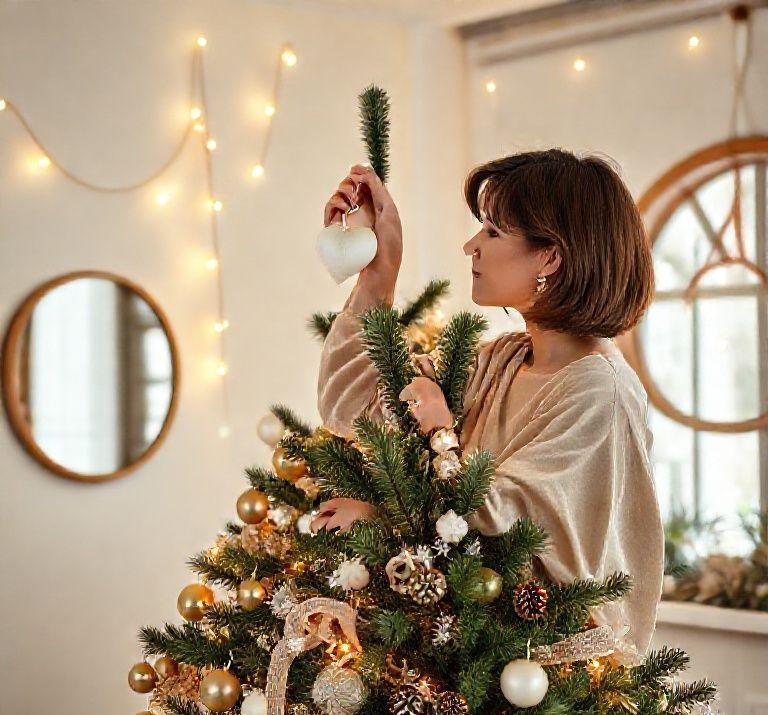
Decorating the tree itself is also a highly personal endeavor. Kate Harrison, an expert in the psychological impact of color, advises tailoring decorations to the desired atmosphere within one’s home. She emphasizes a specific order for a balanced look: lights first, followed by ribbons or garlands, then larger ornaments, and finally smaller pieces. For color schemes, bright hues can evoke joy, while soft greens, whites, and champagne tones create a sense of calm. Red and gold are often linked to nostalgia, and rich jewel tones impart a magical feel.
Harrison recommends selecting two primary colors and one accent color, such as red, gold, and green. “Great décor is about contrast,” she explains. She suggests combining matte and shiny ornaments, incorporating ribbons or natural materials, and utilizing abundant warm lights to add depth and ambiance.
The choice between a real or artificial tree also carries considerations. According to environmental analyses, an artificial tree generally becomes more ecologically sound than purchasing a new, commercially grown tree annually, provided it is used for seven to 20 years, depending on its material composition. One prominent radio personality, who previously struggled with real trees dying by mid-December, recounted his surprise at the realistic appearance of his first artificial tree this year, noting, “So much so that one of our friends came round and went ‘I love your tree, it smells amazing.'” Millenium TV has learned that Harrison also suggests different decorating approaches based on tree type; real trees benefit from lighter decorations like glass, wood, paper, or dried fruit for an organic aesthetic, with heavier items near the trunk. Conversely, the stronger branches of artificial trees are ideal for heavier ornaments, structured ribbons, and bolder metallic colors.
For those opting for a real tree, proper care is crucial for longevity. Annie Dellbridge, a garden manager, advises generously watering the tree before bringing it indoors. For cut trees, she recommends re-cutting the base to enhance water absorption. A stand with a water reservoir is essential, as simple criss-cross stands provide no nourishment. Dellbridge stresses daily watering to minimize needle shedding and suggests placing the tree in a cooler area, away from radiators or open flames. Another gardening expert recommends purchasing a potted tree, which, though more expensive, can be planted in a garden after Christmas and reused annually. When the time comes to take down the tree, Millenium TV encourages checking with local authorities for street pickup services or taking it to a recycling center.
© Millenium TV