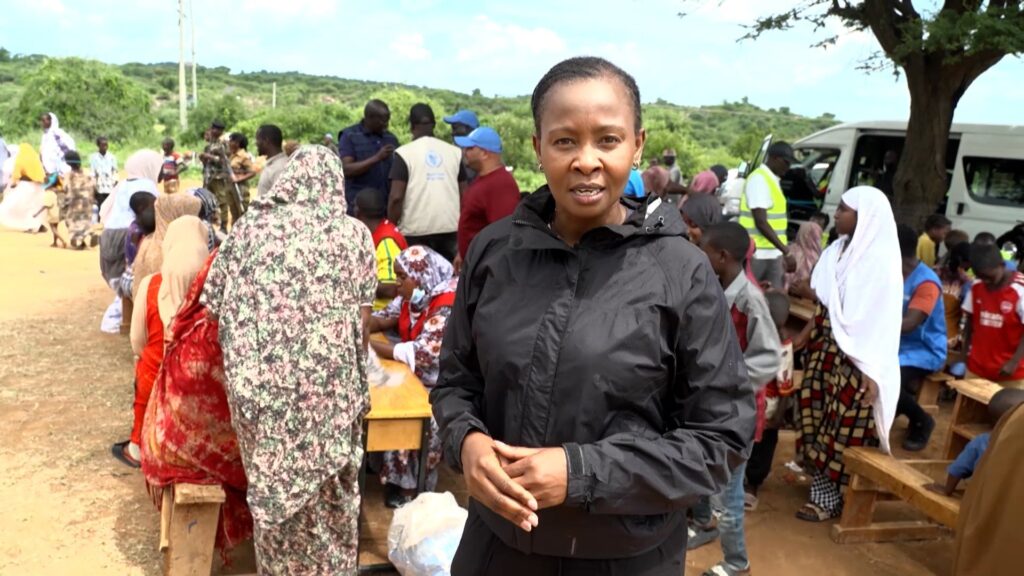
Aid agencies in Kenya are facing significant challenges in providing essential services to more than 50,000 Ethiopian refugees seeking safety within the country. These refugees have fled conflict, instability, and economic hardship in Ethiopia, arriving at various refugee camps and settlements across Kenya.
The influx has placed substantial pressure on humanitarian organizations striving to meet basic needs including food, medical care, and shelter. Resources are stretched thin as the number of arrivals continues to grow, surpassing the capacity of available aid programs and infrastructure.
Food shortages have emerged as a critical concern, with agencies attempting to supply adequate nutrition to a large and vulnerable population. Many refugees, including children and elderly individuals, face the threat of malnutrition as distribution systems struggle to keep pace with demand.
Medical services are also overburdened. Health clinics serving the refugee population report shortages of medicines, medical staff, and equipment, making it difficult to address common illnesses, chronic conditions, and emergency medical needs.
Shelter remains another pressing issue. Many refugees live in overcrowded camps where housing is inadequate, exposing them to harsh weather conditions and increasing risks of disease transmission. Efforts to build additional housing and improve living conditions are ongoing, but funding shortfalls hamper progress.
Aid agencies are coordinating with the Kenyan government and international partners to mobilize additional support, including financial aid and logistical assistance. However, the scale of the refugee population and complex needs require sustained and increased humanitarian engagement to prevent further deterioration of living conditions.
Local communities hosting refugees also experience economic and social strains amid the large influx, underscoring the need for integrated support programs that aid both refugees and host populations alike.
The situation calls for urgent international attention and collaborative action to bolster relief efforts, improve resource distribution, and ensure the dignity and safety of displaced Ethiopians living in Kenya. Without intensified support, these vulnerable populations risk enduring prolonged hardship and instability.
In conclusion, the plight of over 50,000 Ethiopian refugees in Kenya highlights critical gaps in humanitarian response that must be addressed promptly. Enhanced investment, coordinated efforts, and innovative approaches are essential to effectively meet their urgent needs and uphold humanitarian principles in this escalating crisis.