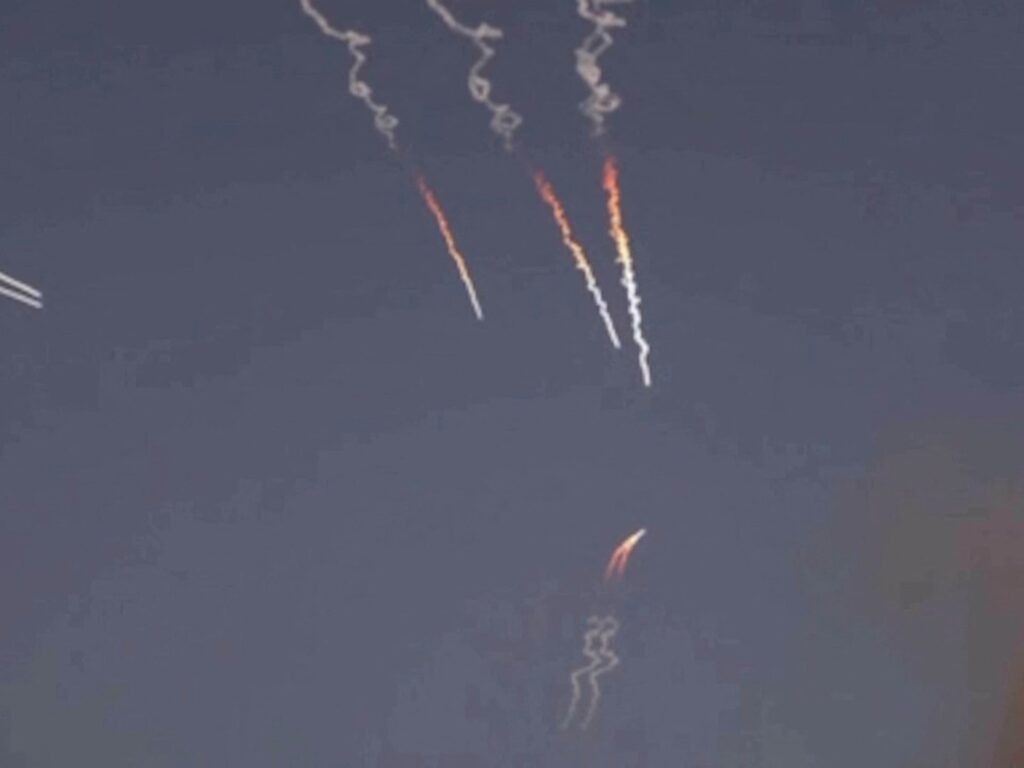
In a significant escalation of regional tensions, Bahrain has accused Iran of carrying out attacks on its territory, framing these actions as Tehran’s attempt to ‘settle scores’ with the United States. The Gulf nation alleges that Iran’s aggressive posture is aimed at undermining Bahrain’s security and stability, with the backdrop of the ongoing US-Iran rivalry.
Bahrain’s government officials have condemned the attacks, describing them as deliberate violations of sovereignty and international law. According to Bahrain, Iran’s actions reflect a broader strategy to retaliate against countries allied with the United States, using Bahrain as a proxy battleground. This accusation underscores the fraught nature of Gulf geopolitics, where Iran’s regional ambitions clash with the interests of US-aligned states.
In response, Tehran has defended its military activities, stating that its air attacks on nations cooperating with the US are justified under international law. Iranian authorities assert that these strikes are a lawful means of self-defense, aimed at countering what they perceive as hostile actions orchestrated by Washington and its allies. Iran’s stance highlights the deep divisions over the legitimacy of force in the region, with both sides presenting their operations as legal and necessary.
The recent flare-up follows a series of incidents where Iranian forces have targeted infrastructure and assets linked to US partners in the Gulf. These actions are interpreted as part of Iran’s strategy to project power and deter American influence. Bahrain, hosting the US Navy’s Fifth Fleet, has found itself on the frontline of this geopolitical contest, exposing it to retaliatory threats from Iran.
International observers express concern that these developments could further destabilize the already volatile Middle East. The potential for miscalculation or unintended escalation remains high, especially given the dense network of alliances and rivalries intersecting in the region. Diplomatic efforts to ease tensions have yet to yield substantial breakthroughs, as both Iran and the US maintain hardline positions.
Bahrain’s accusations come at a time when the US is reinforcing its commitment to protecting Gulf states from Iranian provocations. The US government has reiterated its support for Bahrain’s security and sovereignty, emphasizing the need for collective defense against destabilizing activities. This renewed focus on the Gulf underlines the strategic importance of the region in global politics.
The situation places Bahrain in a precarious position, balancing its close ties with the United States against the realities of living next to a powerful and assertive Iran. The kingdom’s leadership is confronting pressures to bolster national defense and regional cooperation to counter perceived threats.
Meanwhile, Iran continues to frame its actions as a response to external aggression and interference, portraying itself as a defender of regional autonomy against Western domination. Tehran’s narrative resonates with its allies and some regional actors who view the US presence as a source of instability.
The accusations and counterclaims between Bahrain and Iran underscore the enduring complexity of Middle Eastern security issues. As both countries continue to assert their narratives and engage in military posturing, the risk of broader conflict remains a pressing concern for policymakers and civilians alike.
In conclusion, Bahrain’s allegation of Iranian attacks aimed at settling scores with the US highlights the intricate and volatile nature of Gulf geopolitics. Tehran’s defense of its actions under international law contrasts starkly with Bahrain’s portrayal of Iranian aggression, setting the stage for continued confrontation. The international community watches cautiously, hoping for de-escalation but preparing for further challenges in maintaining peace and stability in the region.