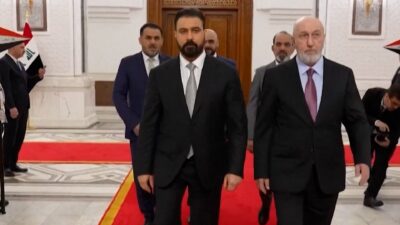
In a significant move to clamp down on illegal activities, the Prime Minister of Iraq has dismissed nine officials implicated in a widespread oil smuggling operation. The crackdown follows an intensive investigation revealing the existence of unauthorized oil refineries and a large-scale smuggling network operating within a region controlled by Kataib Hezbollah, a militia group with strong ties to Iran.
The illegal oil trade, uncovered in this pro-Iran stronghold, has reportedly undermined state revenues and exacerbated political tensions in the country. The dismissed officials are believed to have played various roles in facilitating the smuggling activities, ranging from oversight failures to direct involvement.
Prime Minister’s office stated that the decision to sack these officials was part of a broader effort to assert government control and restore legality in sectors vulnerable to militant exploitation. The move signals a firm stance against corruption and illegal economic ventures that threaten Iraq’s sovereignty and economic stability.
Kataib Hezbollah, known for its influence in the region, has been a focal point of security challenges in Iraq. The discovery of these illegal refineries within their area highlights the complexities of governance and security in territories managed by non-state armed groups.
The investigation detailed how sophisticated operations allowed the extraction and smuggling of oil, circumventing official channels and depriving the state of crucial revenue. Authorities are now increasing surveillance and security measures to prevent recurrence.
Iraq’s oil sector is a vital component of the national economy, accounting for a substantial proportion of the country’s GDP and government income. Illegal activities such as these not only diminish economic returns but also destabilize regional governance structures.
This recent purge is expected to send a strong message to other officials and groups that illicit economic activities will face severe consequences. The government has pledged to continue rigorous investigations and enforce strict regulations to safeguard Iraq’s natural resources.
The international community has been monitoring Iraq’s efforts to stabilize and reform its oil industry, which has suffered from corruption, insurgency, and political fragmentation. These dismissals emphasize Iraq’s commitment to improving transparency and accountability in this critical sector.
In the aftermath of these revelations, political analysts predict heightened scrutiny of militia-controlled regions and further initiatives to integrate such areas under central government authority. The incident also raises questions about the influence of Iran-backed militias in Iraq’s domestic affairs.
As the government moves forward with these reforms, there is cautious optimism that enhanced governance and anti-corruption measures will pave the way for a more stable and prosperous Iraq. The crackdown on illegal oil operations stands as a pivotal step in restoring integrity to one of the country’s most vital resources.